

Audio By Carbonatix
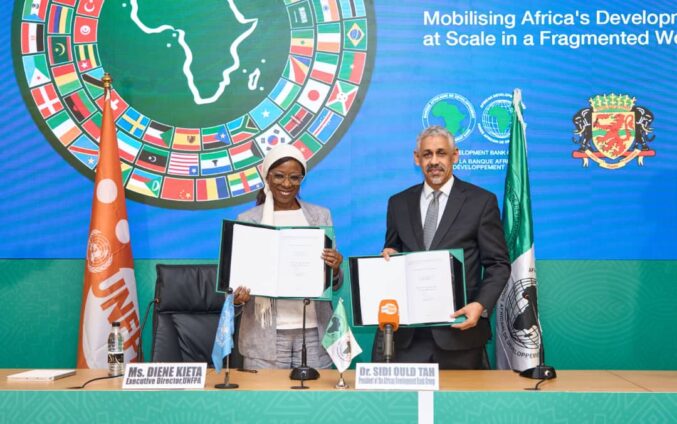
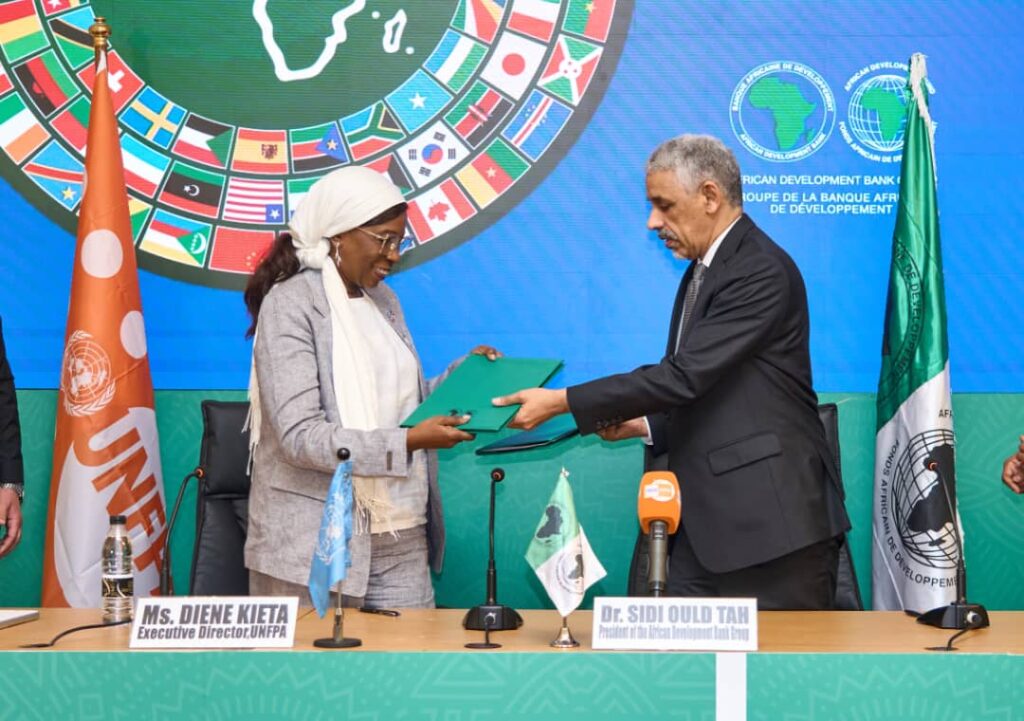
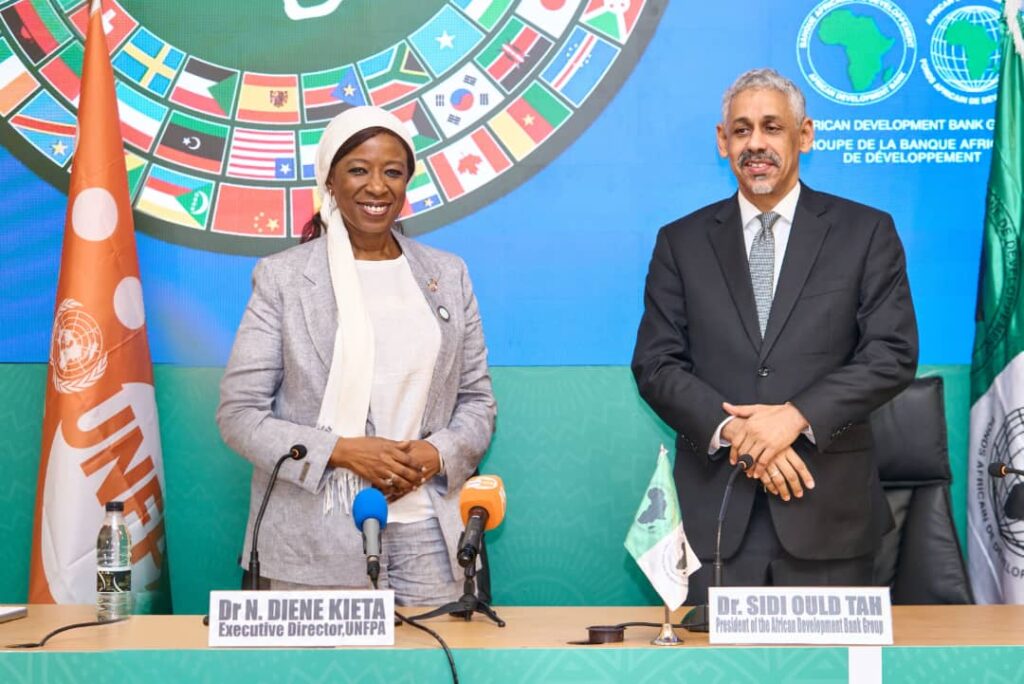
The United Nations Population Fund (UNFPA) and the African Development Bank (AfDB) have signed a new Memorandum of Understanding aimed at placing maternal health and demographic resilience at the centre of Africa’s long-term economic transformation agenda.
The agreement, signed on the sidelines of the AfDB Annual Meetings, reframes maternal health as more than a public health priority, positioning it instead as a critical investment in economic growth, productivity, and human capital development across the continent.
At the heart of the partnership is a shared ambition to help African countries fully harness their demographic dividend by investing in women and young people as drivers of sustainable development.
Africa has recorded significant progress in reducing maternal mortality in recent years, but challenges persist, including structural gaps in health systems, unequal access to quality care, and persistent financing shortfalls that continue to hinder progress in several countries.
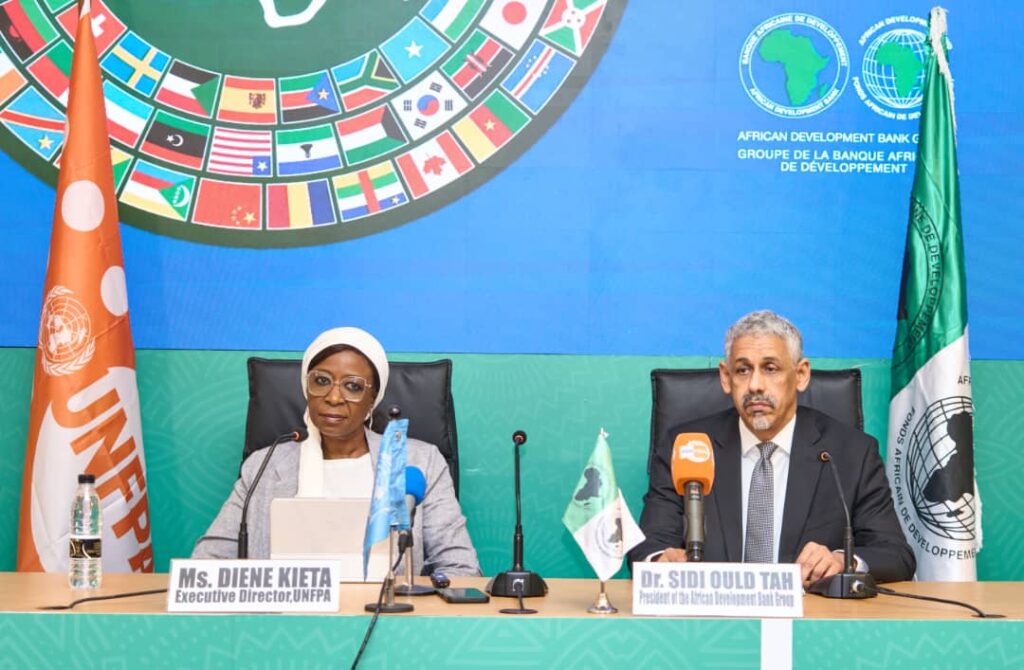
“Immense opportunity is within Africa’s grasp if we make strategic investments in women and young people,” the UNFPA Executive Director Diene Keita said.
“Economic progress for Africa is only possible if we prioritise women’s health and address one of the continent’s most pressing development challenges: preventable maternal deaths.”
She added that the renewed partnership reflects a shared commitment to placing maternal health and human capital development at the core of Africa’s economic transformation agenda.
Under the agreement, UNFPA and the African Development Bank will explore innovative financing and implementation models designed to expand investment in women and youth.
Key focus areas include the modernisation of the health workforce through digital training, strengthening local procurement systems, upgrading climate-resilient health infrastructure, and expanding the digitisation of health information systems.
The two institutions have worked together since 1992, supporting health systems strengthening and data-driven development across Africa.
Their collaboration has contributed to several notable outcomes, including improved population data systems in Côte d’Ivoire, expanded emergency obstetric and newborn care services in Cameroon, and increased access to reproductive health services in Madagascar.
In addition, joint programmes have integrated gender equality and sexual and reproductive health into climate adaptation planning across multiple countries in East and Southern Africa.
Both institutions say the new partnership will ensure that demographic transition roadmaps are embedded in national financing strategies, positioning investments in health and rights as essential pillars of Africa’s future economic resilience.
Latest Stories
-
West Mamprusi launches community-led WASH and livelihoods project across 100 communities
49 seconds -
Iran says it will wait for official US response after Trump rejects Strait of Hormuz proposal
16 minutes -
90 Oti communities to benefit from government electrification project
17 minutes -
Floods leave 246 without shelter as 93 houses collapse in North East Gonja
30 minutes -
Labour Minister wants SOEs to help shape new public pay system
5 hours -
IPEC will ensure Equity and Sustainability in SOEs Compensation
6 hours -
White House bars CNN from travelling with Trump on Air Force One
6 hours -
Fennis wins second consecutive ITF J60 title in Accra
6 hours -
Spain beat England in thriller after Kane penalty miss
7 hours -
GPL 2026/27: Zaidan’s late goal ends Hearts of Oak unbeaten start
7 hours -
CEOs demand clarity on pay harmonisation, board autonomy as FWSC engages SOEs bosses over IPEC transition
7 hours -
2026 Women’s Super Cup: FC Savannah, Epiphany Warriors maintain top spots ahead of final group games
7 hours -
‘Is EOCO responsible for determining lawyers’ fees?’ – Baffour Awuah
7 hours -
David Beckles claims second J60 Accra title
7 hours -
No France cocaine suspect linked to Mahama, Vice President’s security details – NACOC
7 hours