

Audio By Carbonatix
Civil Society Organisations (CSOs) in Ghana have raised serious concerns over a growing shortage of contraceptives in clinics nationwide, warning that the situation could trigger increased unsafe abortions and maternal deaths.
The group stated that family planning commodities worth $500,000, procured by the United Nations Population Fund (UNFPA) and consigned to the Ministry of Health since 2024, remain stuck at the port of entry, with some stocks approaching expiry.
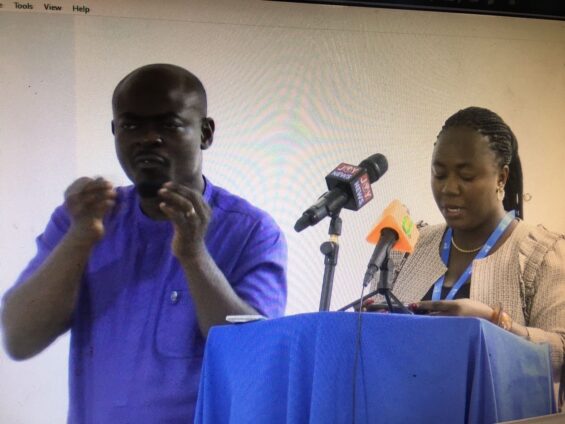
Speaking at the MSI Conference Centre in Accra on Wednesday, April 8, the CSOs called on the government to urgently release the commodities and ensure their rapid distribution to health facilities across the country.
They stated that family planning is a critical public health service, not a luxury, noting that shortages of contraceptives could lead to unsafe abortions, rising child poverty, and higher maternal mortality.
The group also expressed concern that national and regional medical stores are running low, as existing stocks continue to be used without replenishment.
According to the CSOs, nurses who are supposed to provide contraceptive injections and implants are unable to offer these services due to the shortage.
They warned that stock-outs directly contribute to unintended pregnancies, which in turn increase unsafe abortions and preventable maternal deaths.
The CSOs highlighted that the shortage will disproportionately affect young girls, who already face barriers in accessing family planning services and have limited alternatives when public stocks run dry.
They further revealed that UNFPA has threatened to reduce its contribution to Ghana’s family planning commodities from 75 per cent to 25 per cent if the situation persists.
The CSOs called on the Ministry of Finance, the Ghana Revenue Authority, and its Customs Division to immediately clear the family planning commodities at the port and ensure their prompt dispatch to the National Medical Stores.
They also called on the Ministry of Health to publicly acknowledge the delay, issue a formal statement outlining corrective measures, provide a clear timeline for resolution, and implement systems to prevent similar occurrences in the future.
Additionally, the organisations urged the Ghana Health Service and the Ministry to establish a contingency supply plan to prevent stock-outs at district and facility levels while the commodities are being cleared and distributed.
The CSOs recommended that the government review the ICUMS classification of all UN agencies and diplomatic bodies procuring health commodities for Ghana to avoid similar administrative challenges in the future.
Latest Stories
-
President Mahama ends Resetting Ghana tour of Ahafo Region
13 minutes -
African negotiators seek delivery of climate commitments at COP31
14 minutes -
BoG develops AI rules for financial sector
17 minutes -
‘Big Push’: Government assures contractors of prompt payments
21 minutes -
Court fines miner for breaking into gold buying shop
31 minutes -
Tarkwa court jails labourer for three years over GH¢123,000 theft
1 hour -
GAEC must retain nuclear scientists for Ghana’s nuclear ambitions – Minister
2 hours -
Man reportedly mistaken for game and shot by hunter dead in forest
2 hours -
19-year-old mason jailed 15 years for defiling seven-year-old pupil
2 hours -
Ghana’s banking sector assets rise 20.47% to GH¢500.2bn – BoG Governor
2 hours -
22 injured as Sprinter bus overturns at Sege after tyre burst
2 hours -
UN housing expert urges Ghana to strengthen Rent Control Department amid housing affordability concerns
2 hours -
Delta-BCI partnership reaches 166,000 people with breast cancer education
2 hours -
Power restoration fault suspected in Kumasi Central Market fire
8 hours -
The 7-foot giant of Ngleshie Amanfro: Seven-foot Ghanaian Ephraim Saawa dreams of joining the national basketball team
8 hours