

Audio By Carbonatix
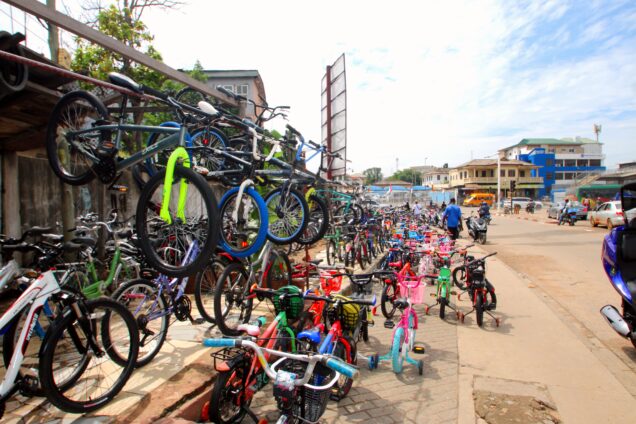
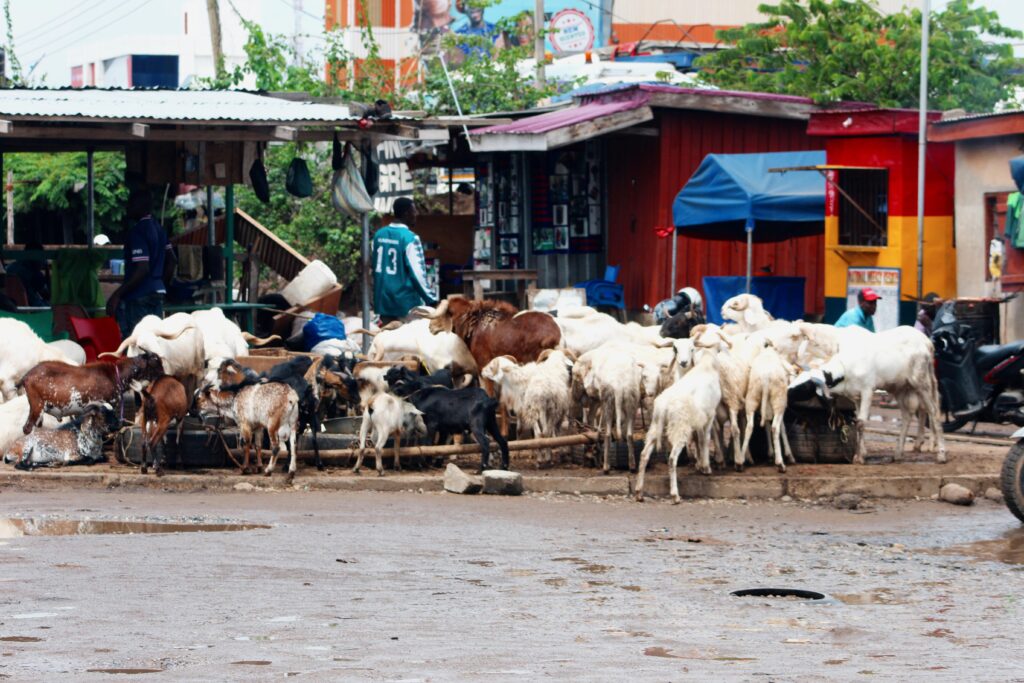
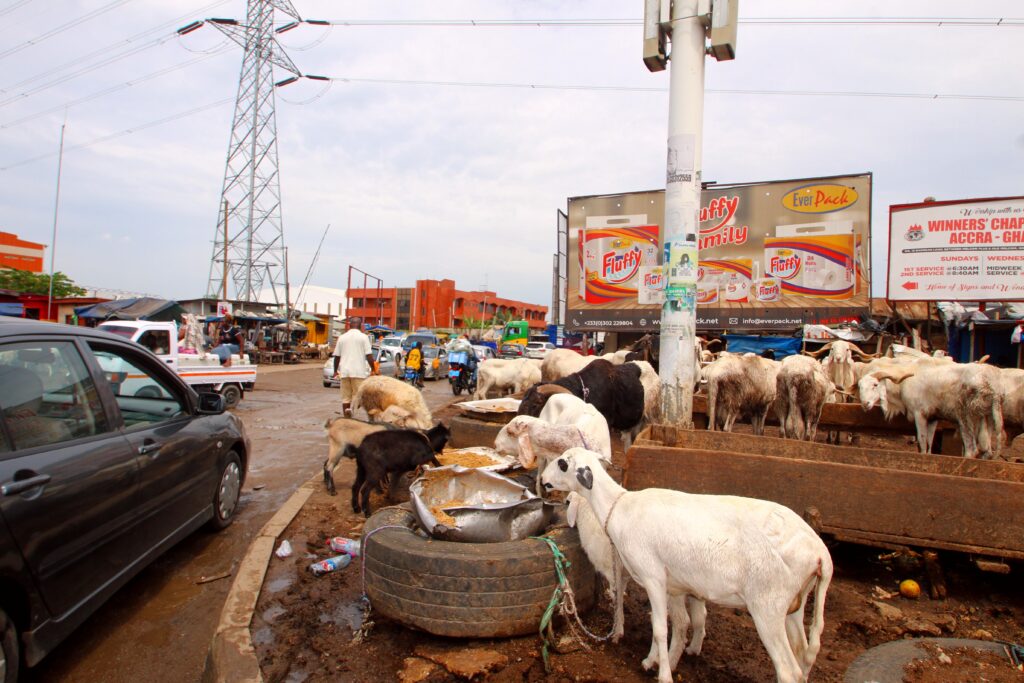
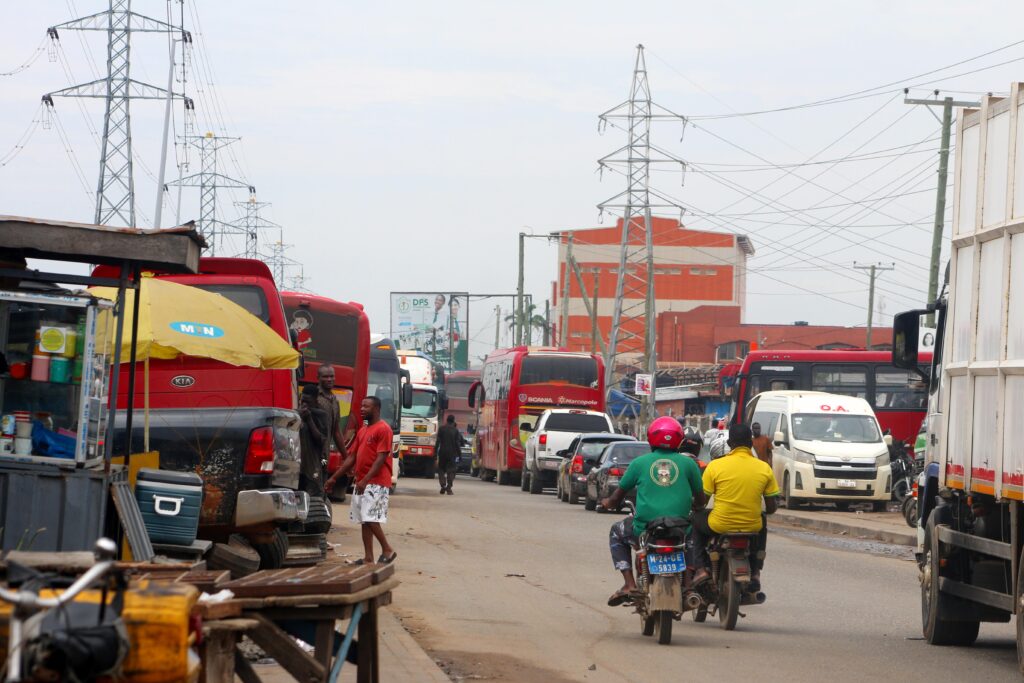
Pedestrians in parts of Accra's Avenor and North Industrial Area are being forced onto busy roads as pavements meant for public use have become occupied by bicycle traders, abandoned vehicles, livestock, and other commercial activities.
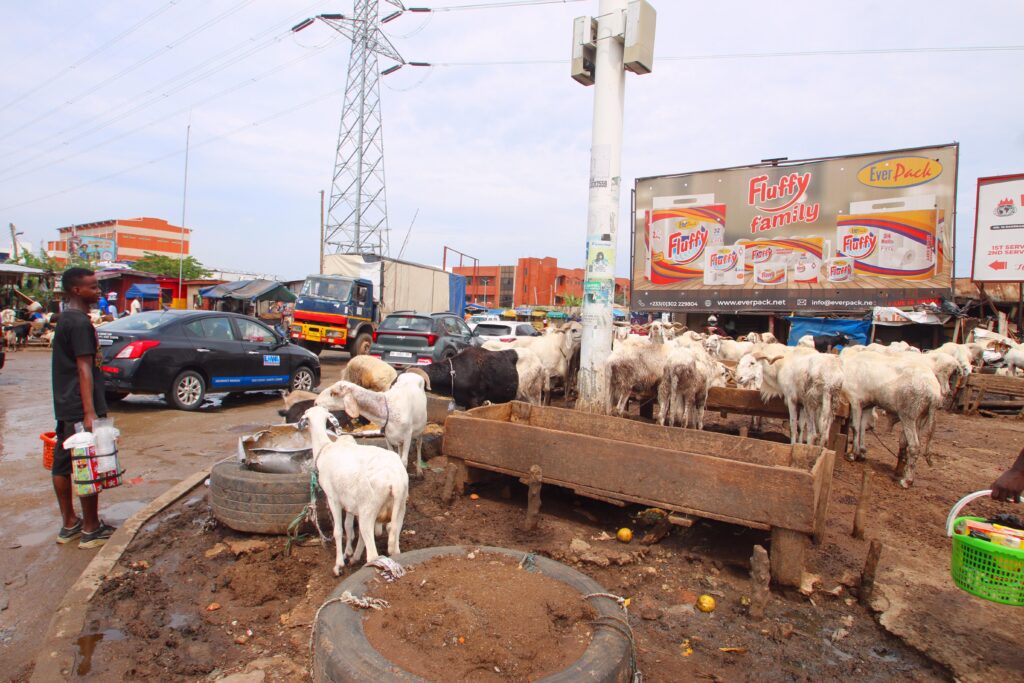
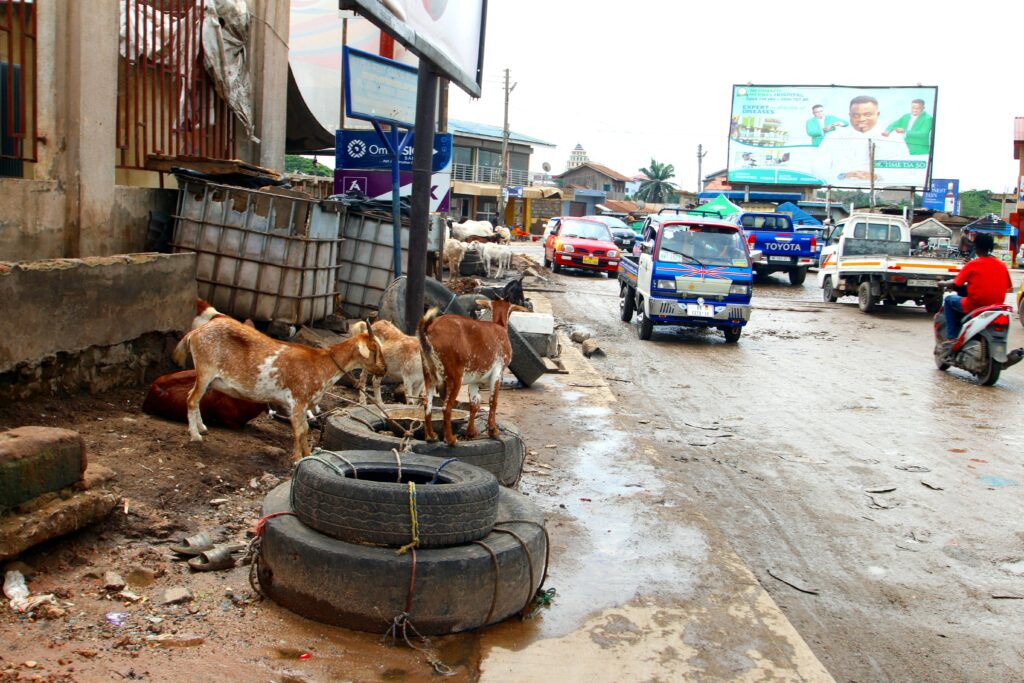
A visit to the Avenor–North Industrial Area enclave on Thursday, June 11, revealed stretches of pavements cluttered with bicycles displayed for sale, faulty buses awaiting repairs, stacks of used tyres, and cattle and sheep penned along walkways. In many sections, little or no space was left for pedestrians, compelling them to walk alongside moving traffic.
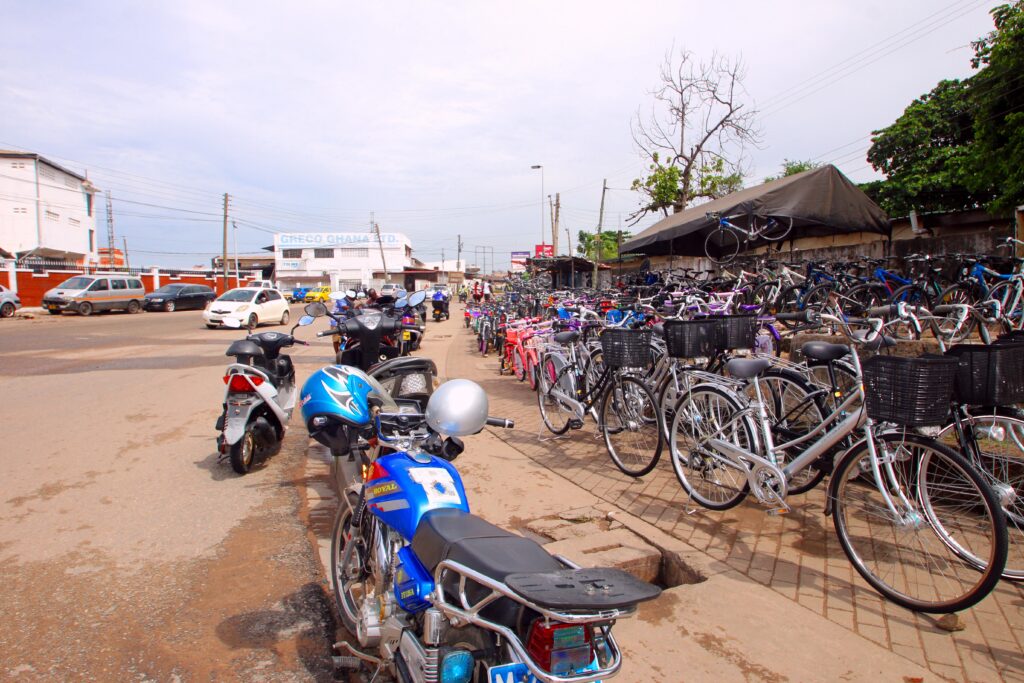
For many residents and commuters, the situation has become a daily challenge, raising concerns about safety and accessibility.
One bicycle seller, who requested anonymity, defended the practice, saying the pavement had become the most practical place to display their merchandise.
"There's no way or place we can showcase the bicycles unless we display them by the roadside on the pavement. That's what attracts more customers for us to get sales," he said.
The trader acknowledged that the pavements were originally meant for pedestrians but insisted that economic realities left them with few alternatives.
"We have left a bit of space for people to pass, even though we know the pavement is meant for pedestrians. But business must go on," he added.
Livestock sellers operating in the area also occupy portions of the walkways with cattle and sheep. One of the traders, Faisal, said the arrangement was largely for convenience and visibility.
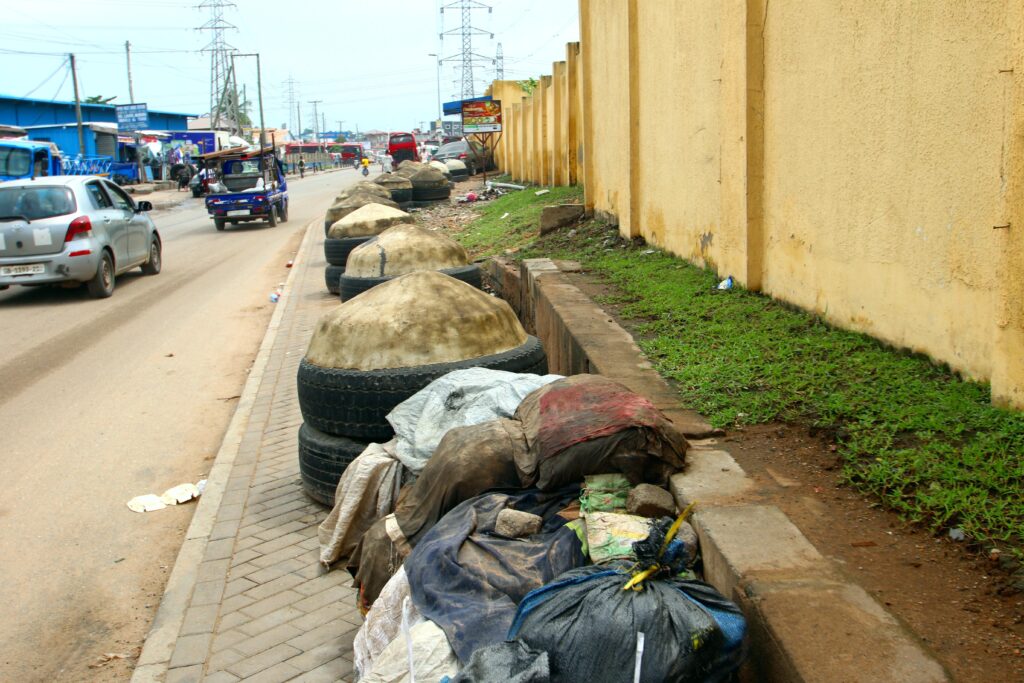
"We keep the animals here because it is easier for customers to see them when they pass. We can't go anywhere because we've been doing this business here for a long time, and we have a lot of customers now; we'll lose them when we move," he explained.
"We acknowledge residents' plight, but they should also understand that this is business," he said.
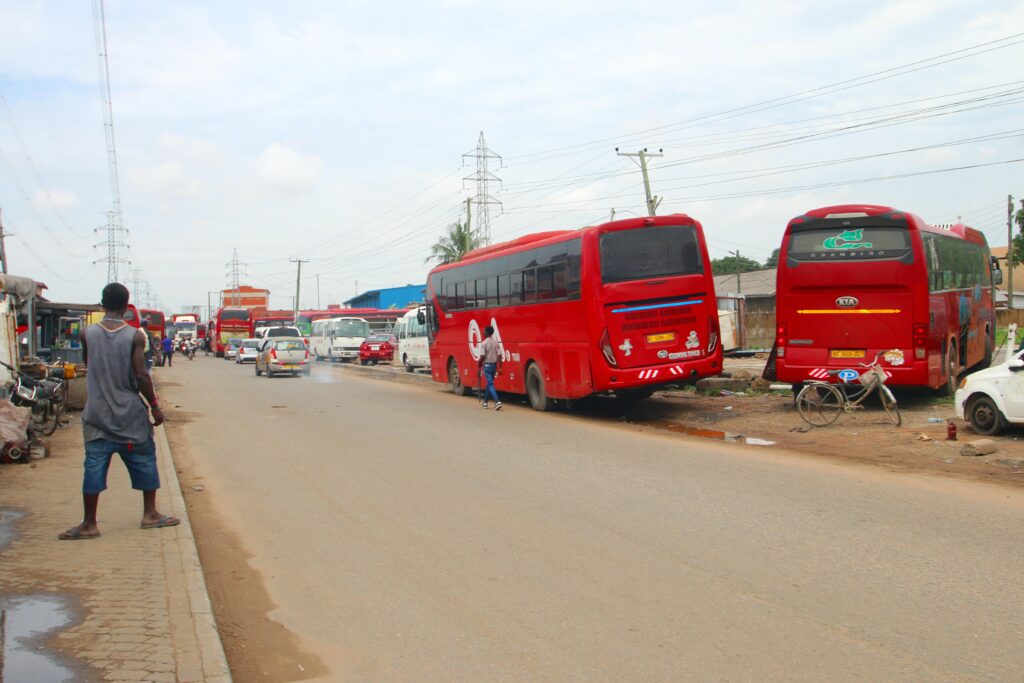
Residents, however, say the growing encroachment on public walkways is making movement through the area increasingly difficult.
Aysha, an egg and pepper seller who lives in the vicinity, described the situation as dangerous, particularly for pedestrians.
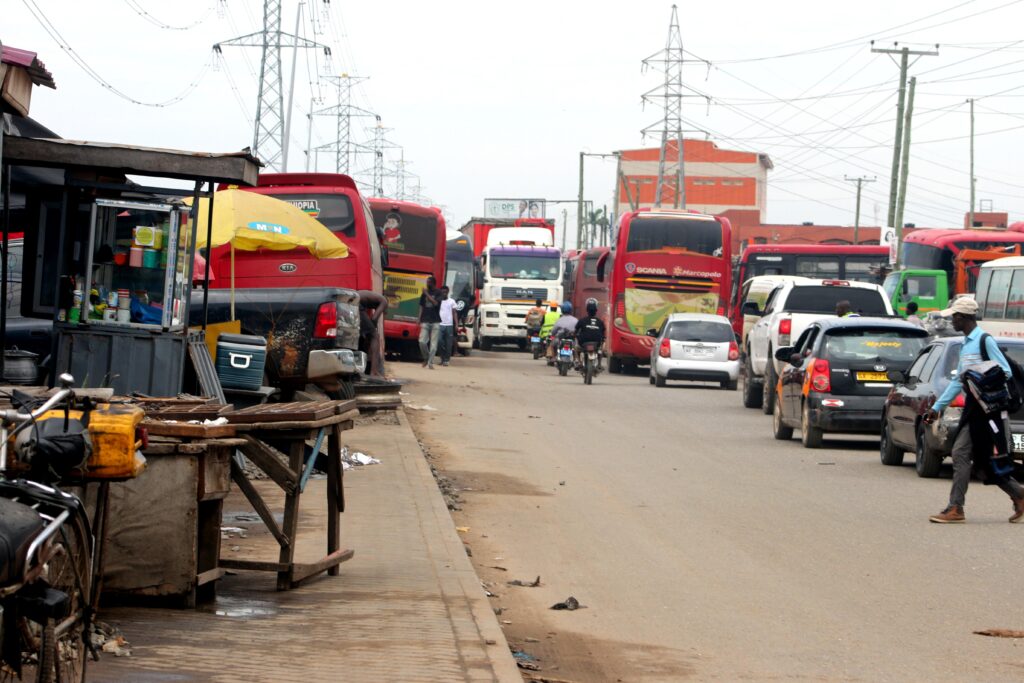
"Sometimes it's very risky walking by the roadside because there is no space left on the pavement," she said.
She blamed part of the problem on buses parked along the roads after returning from long-distance trips.
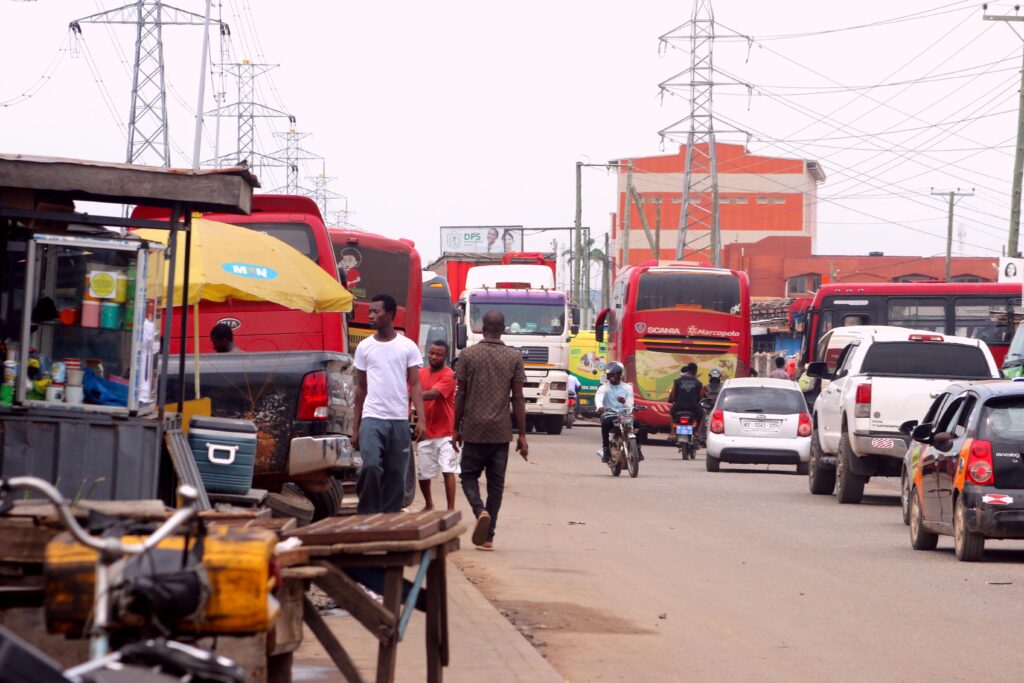
"Some of the buses take over parts of the pavement when they come back from their long journeys, and they are faulty. Sometimes it takes months before some of them are repaired," Aysha said.
According to her, the obstruction affects both motorists and pedestrians.
"Sometimes the moving cars get congested in one place because it's difficult for them to move freely. It causes traffic and leaves pedestrians stranded because there's nowhere to pass; we are even scared for our lives," she added.
She also emphasised that regulations must be enforced to keep people out of harm’s way and prevent anyone from being knocked down by a vehicle."
While traders argue that the pavements provide visibility and access to customers, residents say the increasing encroachment has transformed walkways into extensions of businesses, leaving pedestrians with little choice but to share the road with vehicles.
Latest Stories
-
Conflicts among care providers linked to maternal, neonatal deaths – Expert
4 minutes -
GIS marks 10th TIME conference, champions improved teaching practices
11 minutes -
BRICS Or Balance? What Ghana’s bid really means
37 minutes -
GPRTU wants full TRAFFITECH-GH implementation to start in 2027
56 minutes -
Mahama announces plans to import electric wheelchairs for PWDs
60 minutes -
KGL U17 Colts 2026: Western beat Prempeh Elite Academy to set up final final with Greater Accra Region
1 hour -
Late Solanke strike salvages 10-man Spurs draw at Man United
1 hour -
Gender Ministry to monitor welfare of Nana Akua Addo’s children amid domestic violence case
2 hours -
Benedict Okyere Yeboah: Ghana’s football problem goes beyond sacking a coach
2 hours -
GPL 2026/27: Darkwah Wiafe’s winner sees All Blacks beat Kotoko
2 hours -
ITF World Tour : Patel Wins Boys’ Singles Final at J100 Accra
2 hours -
Ghana must pursue BRICS partnership if it brings economic benefits – Kpebu
2 hours -
Success and Wright Claims J100 Accra Girls’ Doubles Championship
2 hours -
ITF J100: America’s Wright wins J100 Accra Girls’ Singles Title
2 hours -
Expedition hopes to find aviator Amelia Earhart’s plane on remote island
2 hours