


Audio By Carbonatix
The Director of the Department of Applied Research and Innovation in Peace and Security (DARIPS) at the Kofi Annan International Peacekeeping Training Centre (KAIPTC), Dr Emma Birikorang, has said the Centre’s recent restructuring is a deliberate and necessary response to the rapidly evolving peace and security challenges facing West Africa.
Speaking on Thursday, June 18, at a Partners’ Meeting held at KAIPTC in Accra, Dr Birikorang stressed that the decoupling of the former Faculty of Academic Affairs and Research (FAAR) into two standalone entities was “not just a cosmetic restructuring”, but a strategic shift designed to strengthen institutional effectiveness.
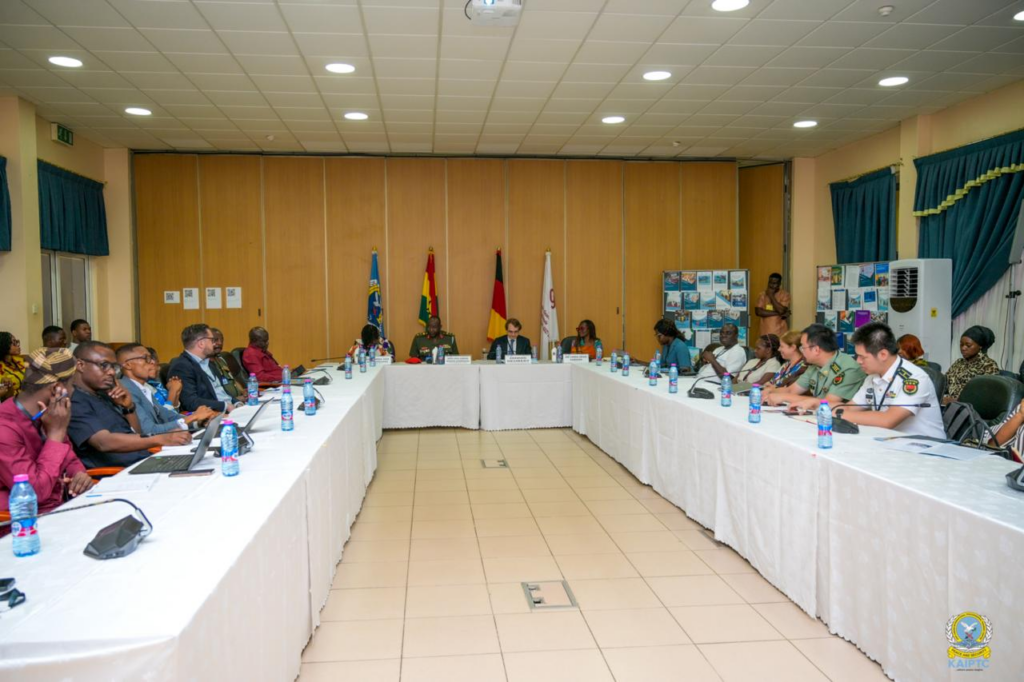
She explained that the former FAR structure has been divided into a standalone Faculty of Academic Affairs (FAAR) and a dedicated research-focused department, DARIPS, in order to improve the Centre’s ability to respond to emerging regional threats in a more timely and policy-relevant manner.
According to Dr Birikorang, the restructuring was informed by a growing recognition that traditional academic and training models are struggling to keep pace with the speed and complexity of contemporary security challenges in West Africa.
She cited the spread of violent extremism from the Sahel into coastal states, the strain placed on governance systems by unconstitutional changes of government, and the resulting humanitarian and developmental pressures as key examples of an increasingly volatile regional environment.
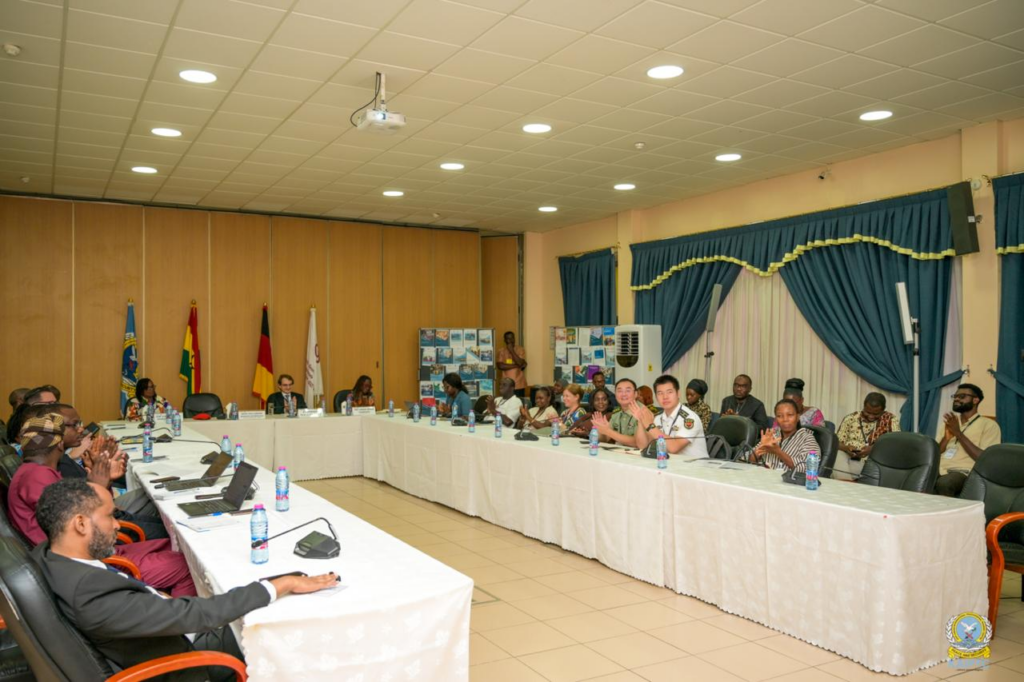
These dynamics, she said, are evolving faster than conventional research and training cycles can effectively address, necessitating a more agile and responsive institutional framework.
“The peace and security challenges that are confronting West Africa today are moving faster than our traditional research and training cycles have been able to keep up,” she noted.
Dr Birikorang situated the reforms within KAIPTC’s broader identity as an ECOWAS training and research institution, emphasising that the Centre’s mandate has expanded significantly beyond traditional capacity-building.
She noted that as an ECOWAS training centre of excellence, KAIPTC is now expected not only to deliver training but also to produce high-quality, policy-relevant research that directly informs regional security responses.
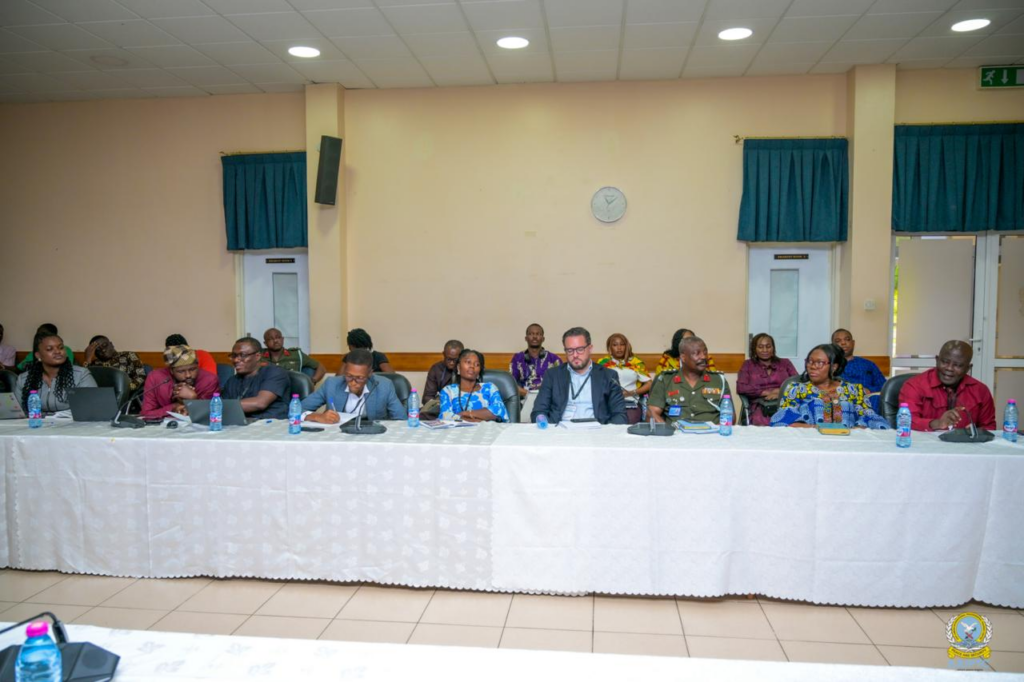
The creation of DARIPS, she explained, is intended to strengthen the Centre’s applied research capacity and ensure that its outputs are closely aligned with the operational realities faced by governments, security agencies and communities across the region.
She added that KAIPTC’s evolving mandate requires a more integrated approach, where research, training and policy engagement reinforce one another to produce practical solutions to complex challenges.
Dr Birikorang also used her address to call for deeper engagement between KAIPTC and its partners, urging stakeholders to play a more active role in shaping the Centre’s research direction.
She encouraged partners to challenge existing approaches, highlight ongoing initiatives that may not yet be fully visible, and draw attention to areas of shared interest.
“I encourage you as our partners to challenge us, point us to a way that is already underway which you may not be aware of, and highlight areas of interest to you, so that we can collectively address the peace and security challenges we face in our region,” she said.
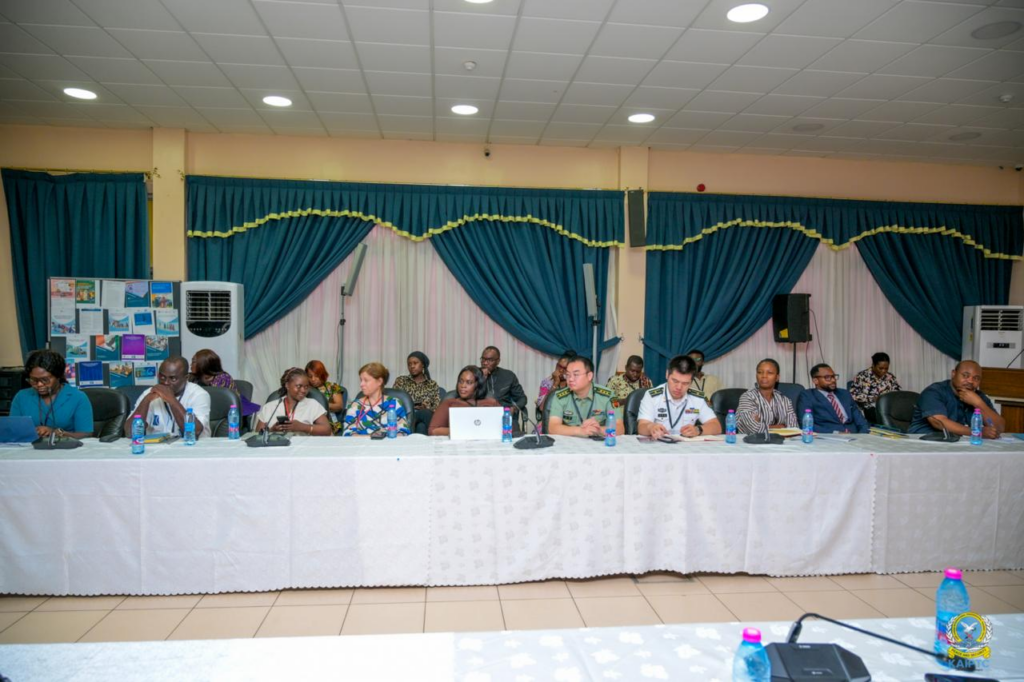
Her remarks underscored the importance of collaboration in ensuring that research outputs remain relevant, timely and responsive to the needs of practitioners and policymakers.
Dr Birikorang stressed that the complexity of West Africa’s security environment requires coordinated and collective responses involving governments, international partners, research institutions and civil society organisations.
She noted that DARIPS is intended to function as a platform for strengthening such collaboration, rather than operating in isolation.
The restructuring, she said, should therefore be seen as an opportunity to deepen cooperation, improve knowledge sharing and enhance the collective ability to respond to shared regional threats.
The Director expressed gratitude to all partners for attending the meeting and for their continued support for KAIPTC’s work in peace and security.
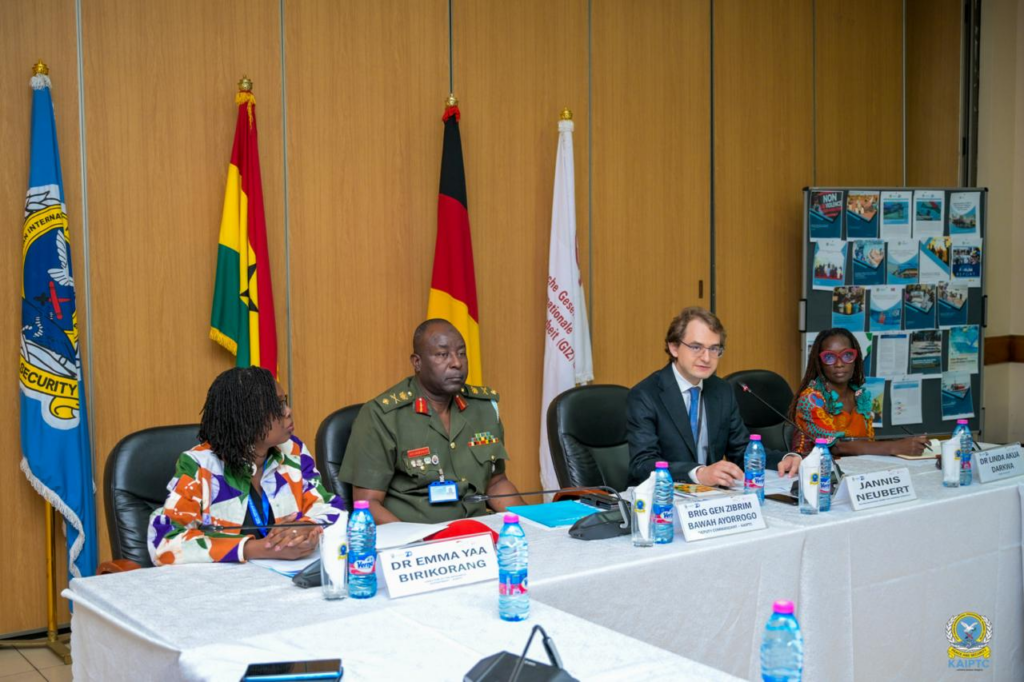
She particularly acknowledged the Government of Germany and the Deutsche Gesellschaft für Internationale Zusammenarbeit (GIZ) (GIZ), both at its headquarters in Accra and its local office at KAIPTC, for their sustained partnership and contribution to the Centre’s activities.
Their support, she said, has been instrumental in enabling KAIPTC to advance its mandate in training, research and policy engagement across the region.
Looking ahead, Dr Birikorang expressed optimism that the discussions at the Partners’ Meeting would lead to stronger alignment and more effective collaboration among stakeholders.
She said she was confident that the engagement would generate practical outcomes that would benefit all parties working to address peace and security challenges in West Africa.
“I look forward to the discussions ahead, and I am confident that we will produce a good collaboration that will be useful for all of us,” she concluded.
Latest Stories
-
Tamale Metropolitan Assembly distributes 10,000 bags of fertiliser to farmers
3 minutes -
TUSAAG suspends strike, resumes work after renewed talks with government
7 minutes -
PIAC marks 15 years of oil revenue accountability and transparency
14 minutes -
Adongo calls for non-political interference in $1.46bn Heritage Fund review
19 minutes -
FDA records GH¢70m surplus in 2025 amid concerns over ageing lab equipment
21 minutes -
Arise Ghana demands stronger commitment to end galamsey
23 minutes -
96% of Ghanaian pensioners willing to work beyond retirement age – Study
26 minutes -
Ghana gets nuclear power plant simulator
32 minutes -
Temporary Akosombo power control facility to be ready by September – Energy Ministry
33 minutes -
GMTF, Atlantic Lifesciences explore local production of cancer and heart medicines
37 minutes -
GHS medical-legal claims hit GH¢400m in three years
43 minutes -
Mahama cautions Ghanaians not to take religious freedom for granted
59 minutes -
We need development pathway, not selection exercise – Sports Minister urges football stakeholders
1 hour -
Government prioritises foundational learning to improve education outcomes
1 hour -
Ghana, Côte d’Ivoire deepen maritime security cooperation through joint boundary inspection
1 hour