

Audio By Carbonatix
The Kofi Annan International Peacekeeping Training Centre (KAIPTC) has embarked on a major institutional restructuring to enhance its capacity to respond to West Africa’s increasingly complex and rapidly evolving peace and security environment.
The reforms, anchored in the Centre’s 2024–2028 Strategic Plan, have seen the former Faculty of Academic Affairs and Research (FAAR) decoupled into two distinct entities: a standalone Academic Faculty and a newly established Department of Applied Research and Innovation in Peace and Security (DARIPS).
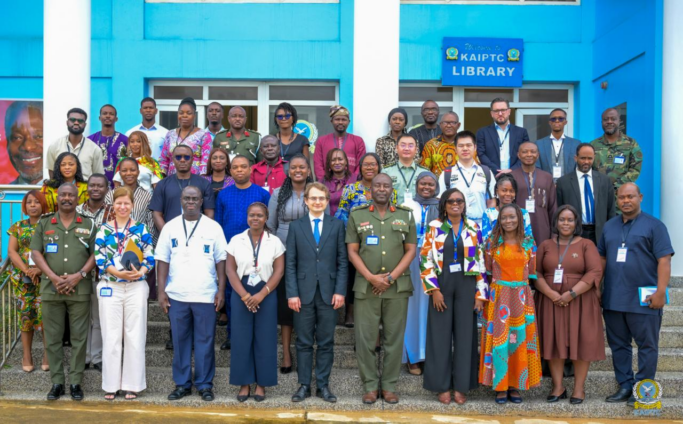
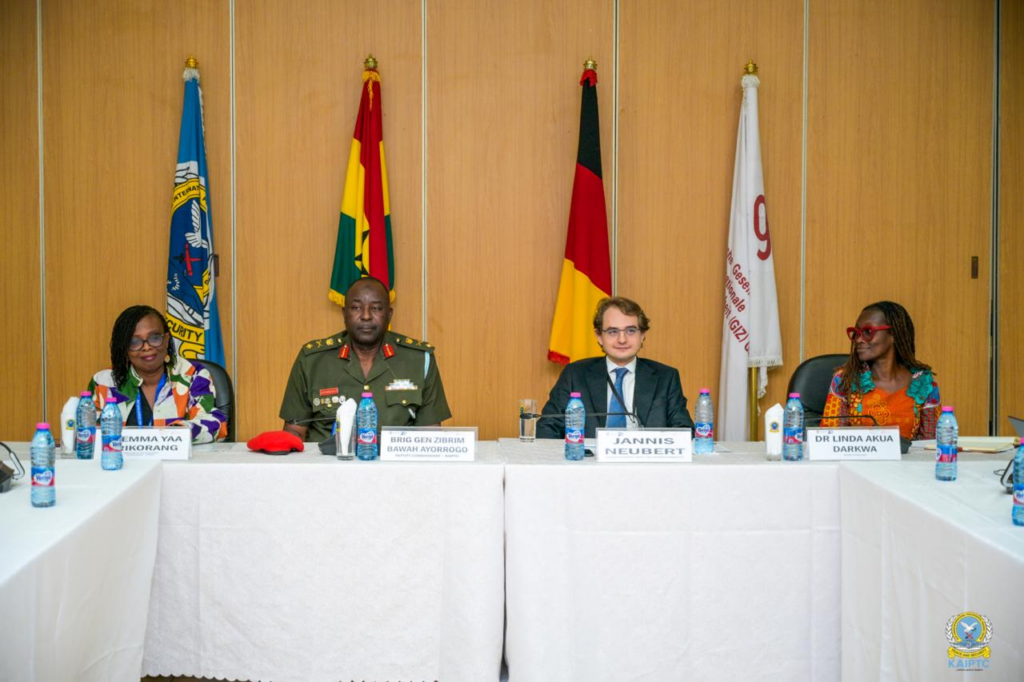
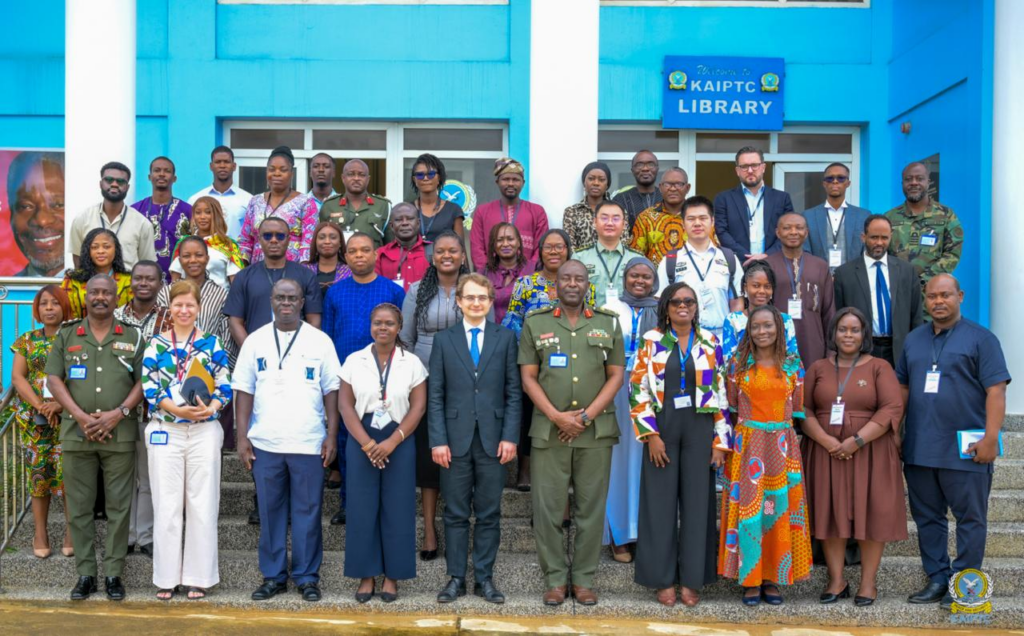
The restructuring and its implications were the focus of a Partners’ Meeting held on Thursday, June 18, in Accra, where senior officials and researchers outlined the rationale for the changes and engaged development partners and stakeholders in discussions on future collaboration.
Speaking at the meeting, Brigadier General Zibrim Ayorrogo, Deputy Commandant of KAIPTC, said the reforms were a strategic response to the rapidly shifting security landscape across Africa and beyond.
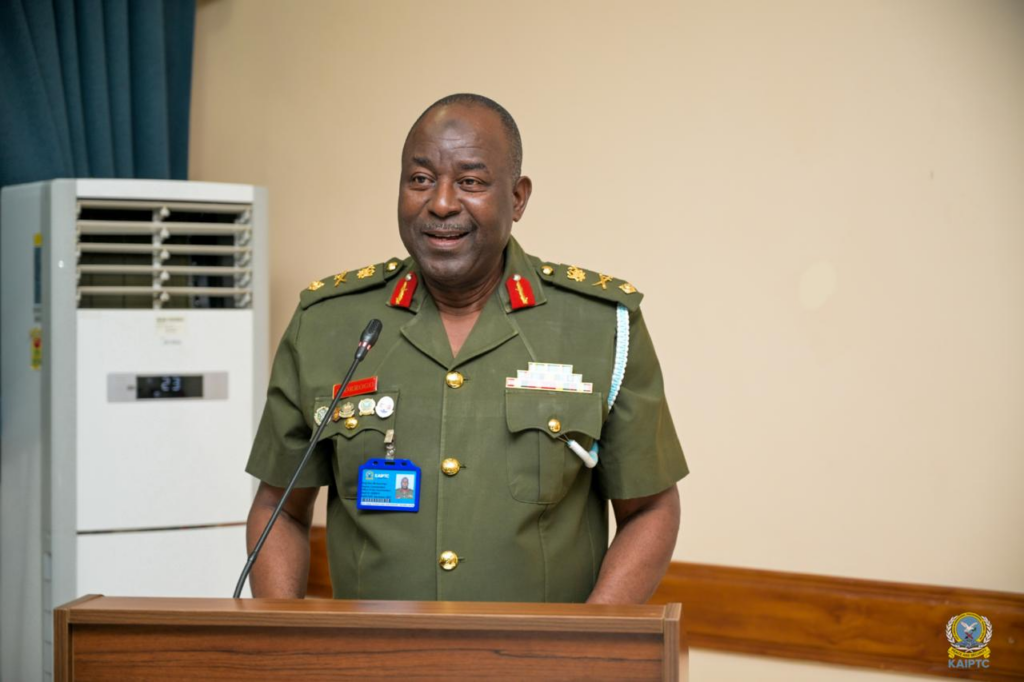
He explained that the decision to separate FAAR into two specialised units was intended to sharpen institutional focus, enhance policy relevance, and improve the Centre’s ability to deliver both academic training and applied research in a more targeted manner.
According to him, DARIPS will serve as the Centre’s core engine for applied research and innovation, ensuring that knowledge generation is closely linked to real-world policy and operational needs.
Brig. Gen. Ayorrogo stressed that the restructuring is intended to align KAIPTC’s work more closely with the realities faced by governments, security institutions and communities across West Africa.
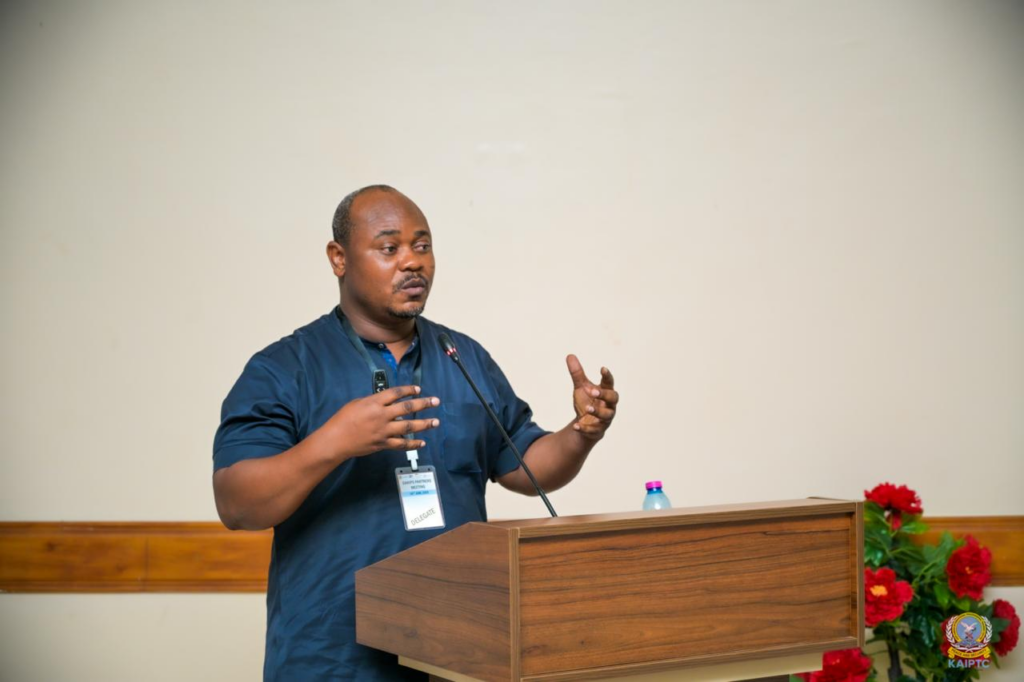
He situated the reforms within the broader context of worsening and increasingly interconnected security challenges in the sub-region.
These include the spread of violent extremist networks from the Sahel into coastal West African states, the destabilising effects of unconstitutional changes of government, and the compounding humanitarian and governance crises affecting millions of people.
“These are not abstract concerns confined to security briefings,” he noted, emphasising that instability has direct consequences for livelihoods, development and human security.
He called for responses that are both evidence-based and agile enough to keep pace with the speed and complexity of emerging threats.
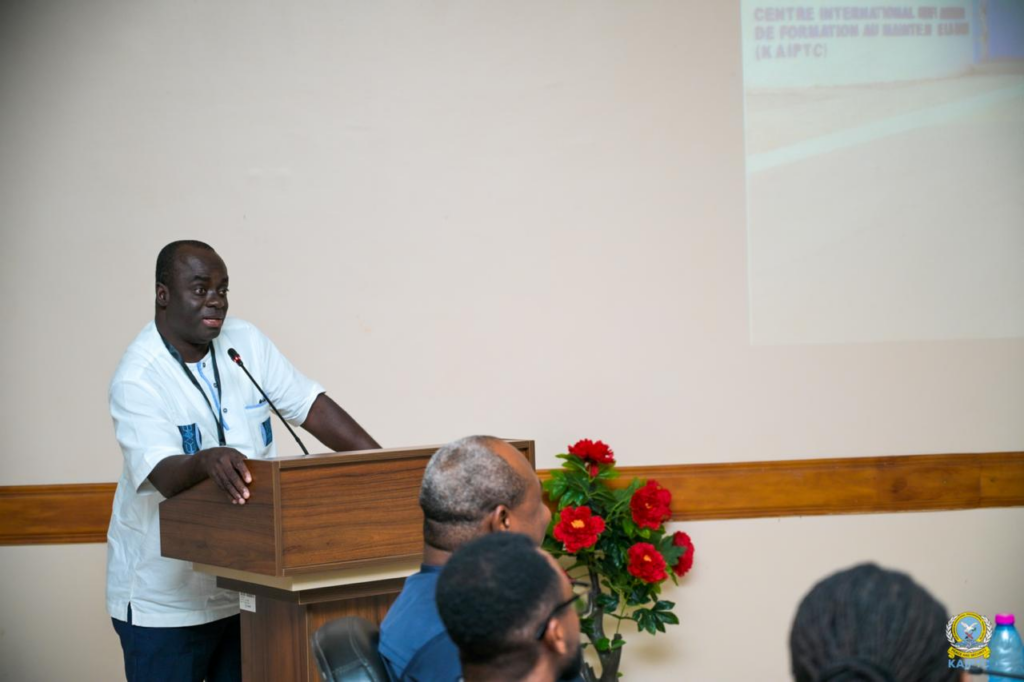
Reaffirming KAIPTC’s role as an ECOWAS Centre of Excellence, Brig. Gen. Ayorrogo underscored the institution’s responsibility to support Member States of the Economic Community of West African States (ECOWAS) in strengthening sustainable peace and security capacities.
He noted that this mandate extends beyond training to include research, knowledge production, and institutional support across the region.
However, he cautioned that training alone is no longer sufficient to address current security dynamics, stressing the need for stronger integration between training and applied research.
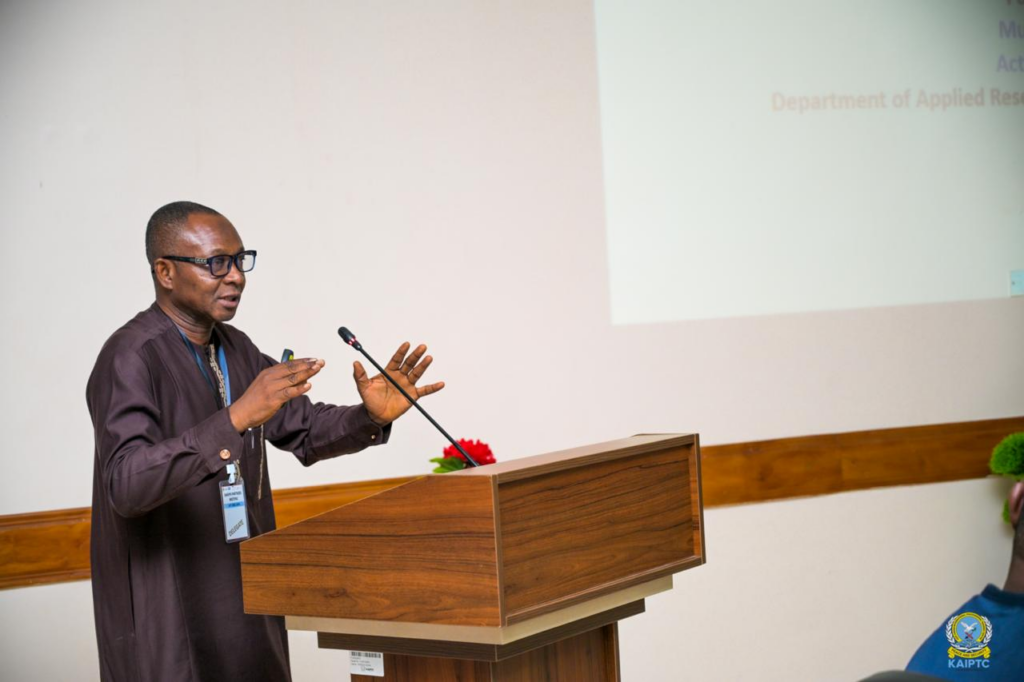
DARIPS, he explained, has been established to bridge the gap between field realities and policy formulation by ensuring that empirical evidence informs both training programmes and decision-making processes.
The aim, he added, is to equip policymakers and practitioners not only with technical skills but also with analytical tools required for effective responses to complex crises.
Under the new structure, DARIPS will host four thematic programmes designed to reflect the multidimensional nature of contemporary peace and security challenges.
These include conflict, governance and leadership; technology and security; climate security and migration; and peace operations, stabilisation and peacebuilding.
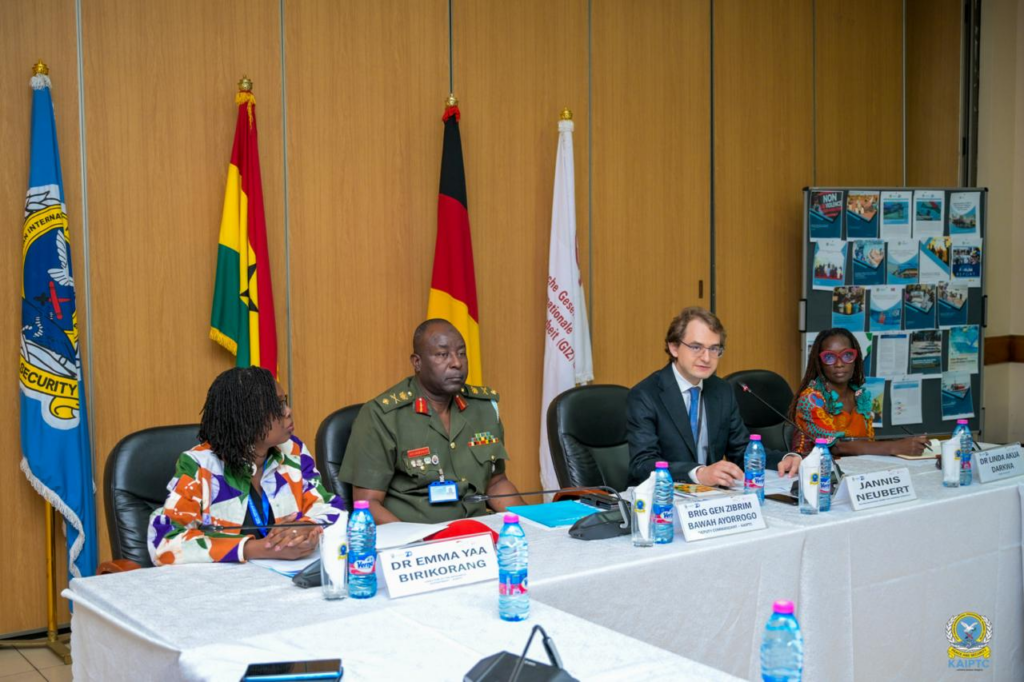
Brig. Gen. Ayorrogo explained that these thematic areas capture the interconnected drivers of insecurity in the region, ranging from governance fragility and technological disruption to environmental pressures and displacement.
He urged partners to engage openly with the programmes, encouraging them to identify overlaps, highlight gaps, and provide frank feedback to strengthen implementation.
Such engagement, he said, is essential to ensuring that KAIPTC’s research remains relevant, responsive and impactful.
Brig. Gen. Ayorrogo emphasised that KAIPTC’s credibility over more than two decades has been built on strong and sustained partnerships with governments, international development agencies, think tanks, civil society organisations and academia.
He stressed that the Centre’s achievements are the result of collective effort rather than isolated institutional action.
In this context, he described the creation of DARIPS not as a departure from established practice but as an opportunity to deepen and strengthen existing partnerships.
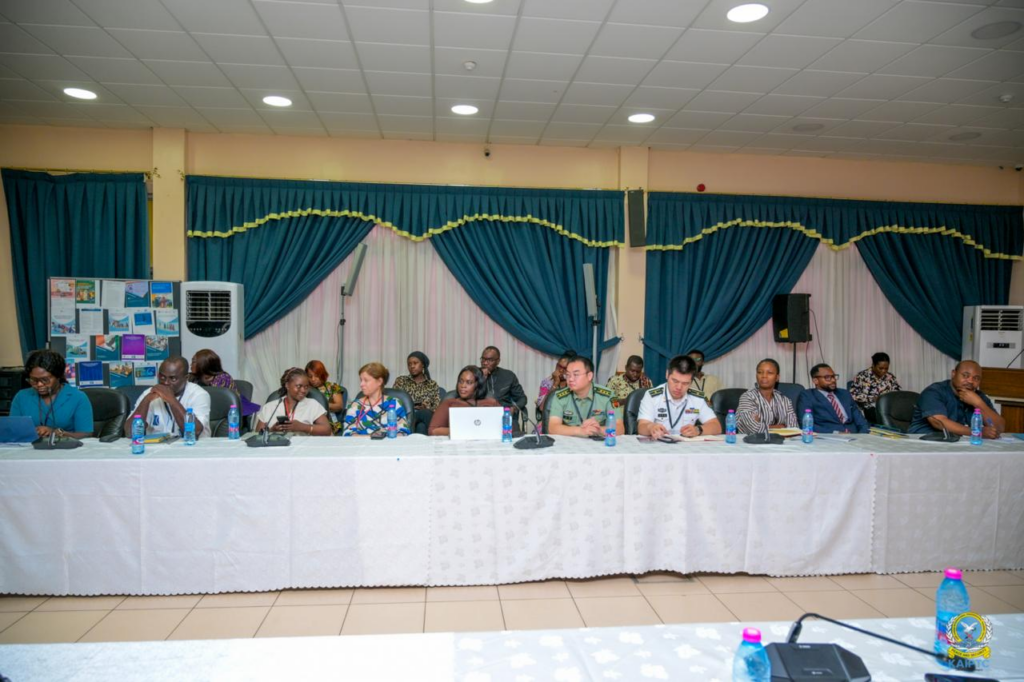
Also speaking at the meeting, the Director of DARIPS, Dr Emma Birikorang, reinforced the rationale behind the reforms, stating that the restructuring was a deliberate response to the rapidly evolving nature of regional insecurity.
She explained that the separation of FAAR into a standalone academic faculty and a dedicated research department was not a cosmetic change but a structural necessity aimed at improving institutional responsiveness.
According to her, West Africa is experiencing a security environment characterised by accelerating threats, including violent extremism, governance instability linked to unconstitutional changes of government, and worsening humanitarian and development pressures.
“These challenges are moving faster than our traditional research and training cycles have been able to keep up,” she observed.
Dr Birikorang situated the reforms within KAIPTC’s evolving mandate as a regional centre of excellence, noting that the institution is increasingly required to generate policy-relevant research in addition to delivering training.
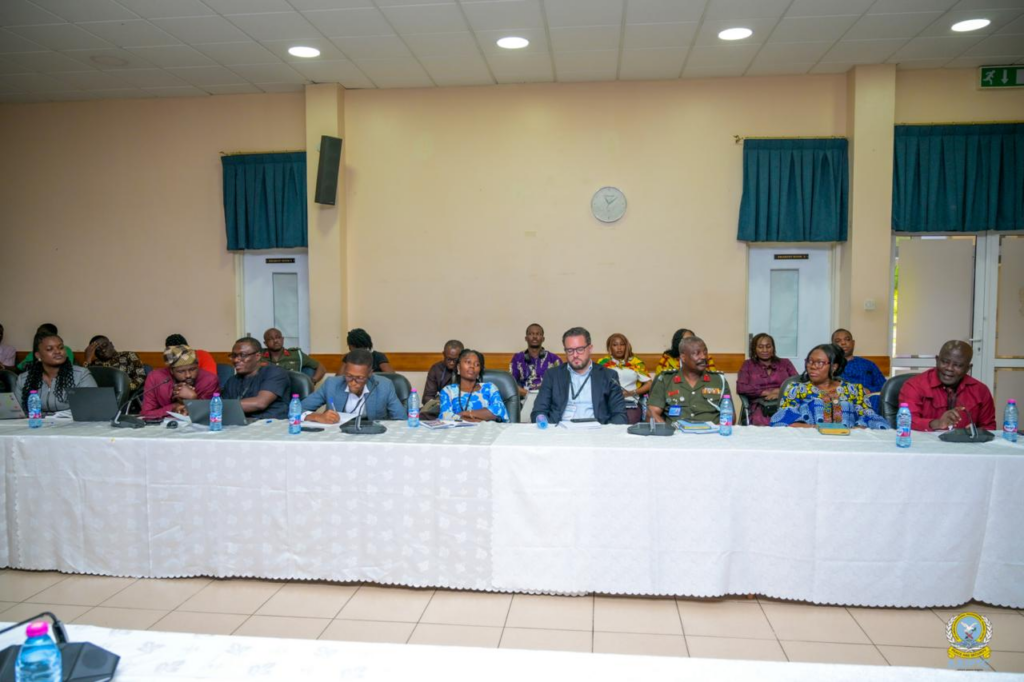
She said DARIPS is intended to strengthen the Centre’s capacity to produce timely, targeted and practical research that directly informs decision-making at national and regional levels.
She also called for stronger collaboration with partners, urging stakeholders to challenge existing approaches and highlight ongoing initiatives that may not yet be fully visible.
Her remarks underscored the importance of co-production of knowledge in addressing complex regional security challenges.
Dr Birikorang stressed that DARIPS is designed to function as a collaborative platform rather than an isolated research entity.
She noted that effective responses to West Africa’s security challenges require coordinated action involving governments, development partners, research institutions and civil society actors.
In this regard, she said the restructuring should be seen as an invitation to deepen collaboration, strengthen knowledge exchange, and enhance collective impact.
Both speakers expressed gratitude to development partners for their continued support, particularly the Government of Germany and the Deutsche Gesellschaft für Internationale Zusammenarbeit (GIZ), which contributed to the convening of the Partners’ Meeting.
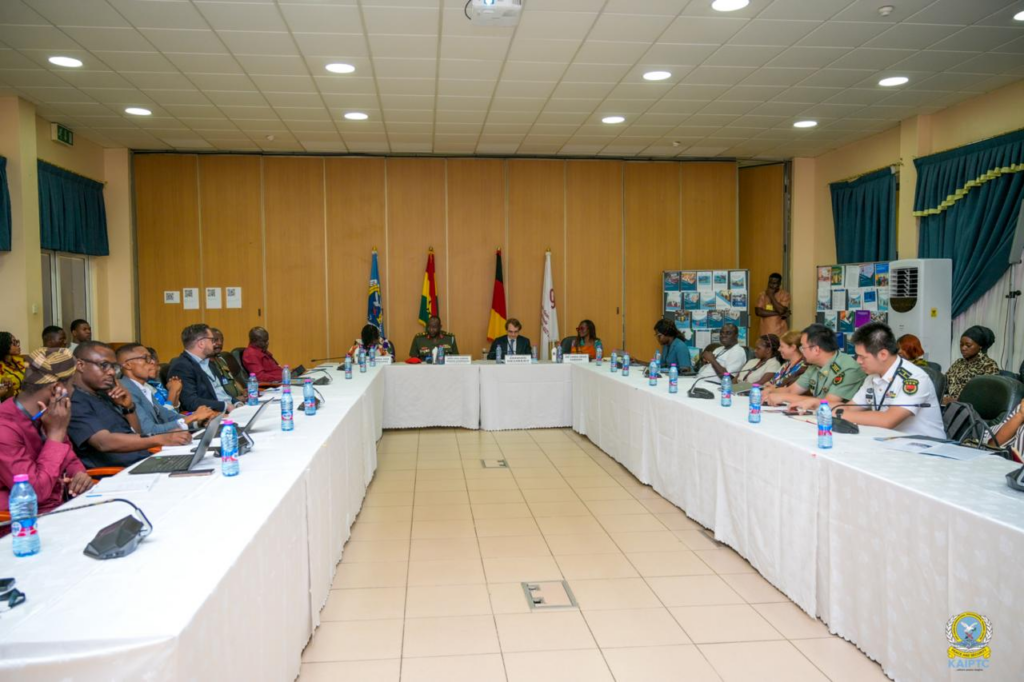
They acknowledged GIZ’s long-standing partnership with KAIPTC, describing it as instrumental to the Centre’s work in training, research and policy engagement across the region.
Looking ahead, KAIPTC leadership expressed optimism that the restructuring and partner engagement would lead to stronger alignment of priorities and more effective collaboration.
Latest Stories
-
Tamale Metropolitan Assembly distributes 10,000 bags of fertiliser to farmers
4 minutes -
TUSAAG suspends strike, resumes work after renewed talks with government
8 minutes -
PIAC marks 15 years of oil revenue accountability and transparency
15 minutes -
Adongo calls for non-political interference in $1.46bn Heritage Fund review
20 minutes -
FDA records GH¢70m surplus in 2025 amid concerns over ageing lab equipment
21 minutes -
Arise Ghana demands stronger commitment to end galamsey
23 minutes -
96% of Ghanaian pensioners willing to work beyond retirement age – Study
27 minutes -
Ghana gets nuclear power plant simulator
33 minutes -
Temporary Akosombo power control facility to be ready by September – Energy Ministry
34 minutes -
GMTF, Atlantic Lifesciences explore local production of cancer and heart medicines
38 minutes -
GHS medical-legal claims hit GH¢400m in three years
44 minutes -
Mahama cautions Ghanaians not to take religious freedom for granted
60 minutes -
We need development pathway, not selection exercise – Sports Minister urges football stakeholders
1 hour -
Government prioritises foundational learning to improve education outcomes
1 hour -
Ghana, Côte d’Ivoire deepen maritime security cooperation through joint boundary inspection
1 hour