

Audio By Carbonatix
The Centre for Indigenous Knowledge and Organisational Development (CIKOD) has officially launched the Ghana Universities Movement for Agro-Ecology (GUMA) at the Dr Hilla Limann Technical University (DHLTU).
The launch, which formed part of the university’s Student Representative Council (SRC) week celebrations, was held under the theme: “Preserving our heritage, feeding our nation: harnessing local food and culture for economic growth”.
The event sought to reignite youth interest in indigenous agriculture and local consumption, beginning with a debate that examined Ghanaians’ enthusiasm for imported products over locally produced food.
It also addressed the use of artificial intelligence in schools, specifically whether tertiary institutions should ban AI tools.
Announcing the results, the Patron of the DHLTU Debate Club, Patrick Dugle, said Integrity Hall, which argued against the motion, emerged victorious with a score of 79.25%. Royals Hall secured second place with 72.25%.
Dugle commended the participants and encouraged more students to join the debate club to develop their intellectual and public speaking skills.
Delivering the launch address, CIKOD Director Bannoku Daniel said the movement is fundamentally about indigenous development, cultural identity and food sovereignty.
He described the initiative as more than a student group, stating that it is “the planting of a seed that will grow into a vibrant forest of ideas, practices, and movements that will transform our food system and our future”.
He noted that embedding agroecology into higher education curricula ensures that the next generation of scientists and leaders are equipped with technical knowledge alongside values of sustainability, justice and respect for ecosystems.
“Agroecology is not just about farming methods; it is about culture, it is about identity and sovereignty,” he said, adding that it is a “political act” aimed at reclaiming power from systems that exploit land, seeds and people.
Providing context to the movement’s origins, the Patron for the UBIDS chapter of GUMA, Dr George Dery, said the initiative began after students were deployed to CIKOD for industrial attachments last year.
Recognising opportunities beyond academic assessment, the students embraced the call for food sovereignty, leading to the establishment of the movement’s first university chapter.
Dr Dery emphasised the link between indigenous foods and longevity, citing his grandmother, who lived past 90 years relying solely on organic local foods.
“If you fail to eat what you grow, then you lose your identity,” he warned, urging young people to raise awareness about healthy food systems.
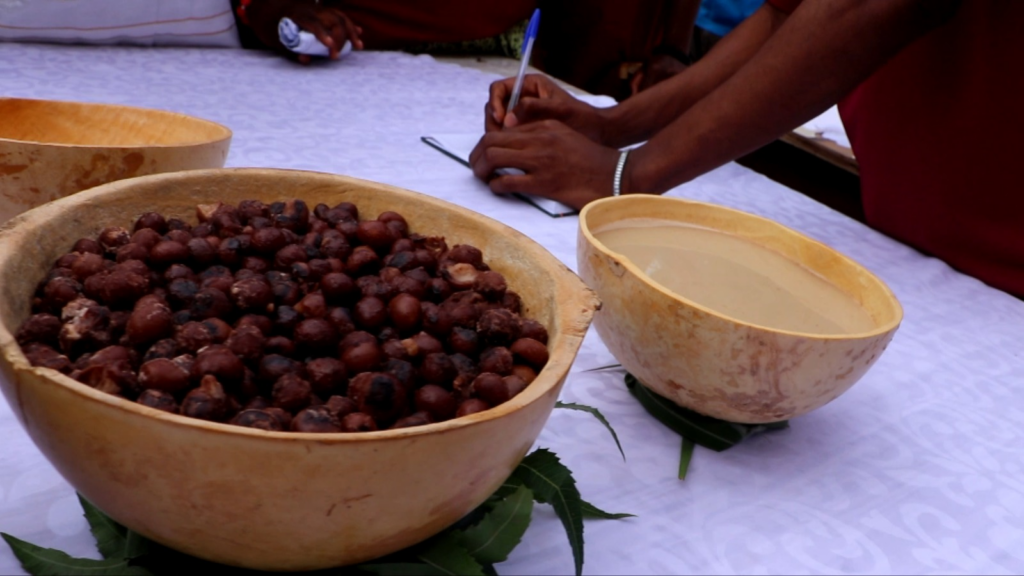
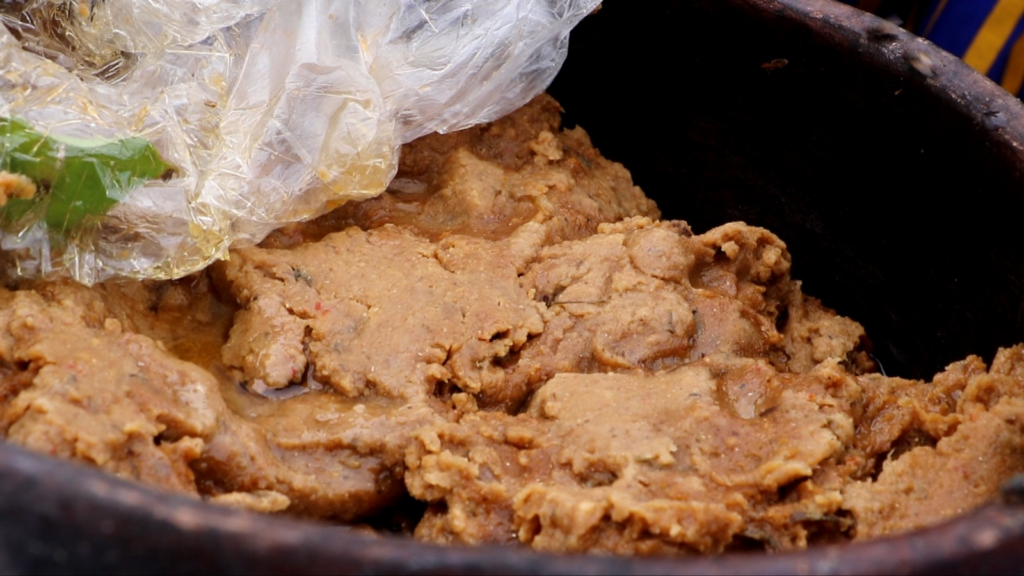
He also encouraged students to develop skills in preparing traditional dishes, specifically calling on men to learn how to cook local meals such as TZ and tubani to help address gender imbalances in culinary practices.
Highlighting the host institution’s commitment to the movement, the Vice-Chancellor of DHLTU, Ing Prof Hamidatu Saaka Darimani, said the exhibition was not only an exploration of local agricultural products but also a celebration of the cultural heritage closely tied to them.
“The methods, the flavours, and the ingredients that define our culinary landscape are not merely recipes passed through families; they are the essence of our dignity and a testament to our resilience as communities,” she said.
To strengthen this vision within higher education, Prof Darimani announced the admission of 10 students into the university’s newly introduced MSc in Agroecology and Food Systems programme this year.
“Again, we are also starting our TVET programmes in agroecological systems this June,” she added, stating that “agroecology actually lives in Dr Hilla Limann Technical University”.
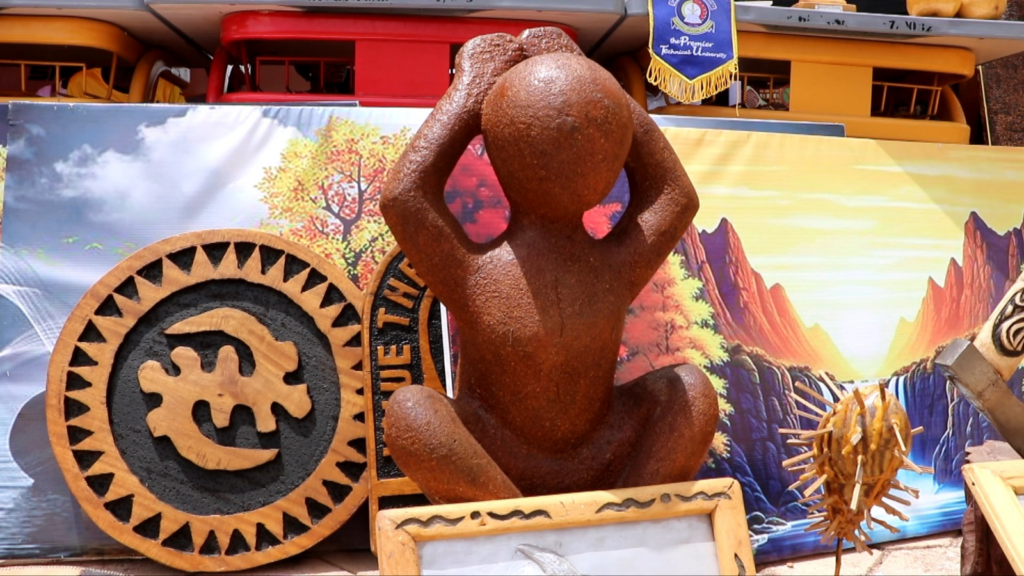
The ceremony was a vibrant celebration of Ghanaian heritage, featuring indigenous arts, food and traditions. The Industrial Art Department mounted an exhibition showcasing leather crafts, traditional smocks creatively woven from upcycled sacks, and an innovative bamboo bicycle.
Throughout the programme, various student unions showcased their cultural heritage. The Konkonba Students Union (KONSU) opened the floor, followed by traditional dances from the Nandom Students Union (NANSU), the Dagomba Students Association, and other ethnic groups.

In a notable performance, the Sissala Students Union presented a symbolic act involving the killing of a goat using only their mouths.
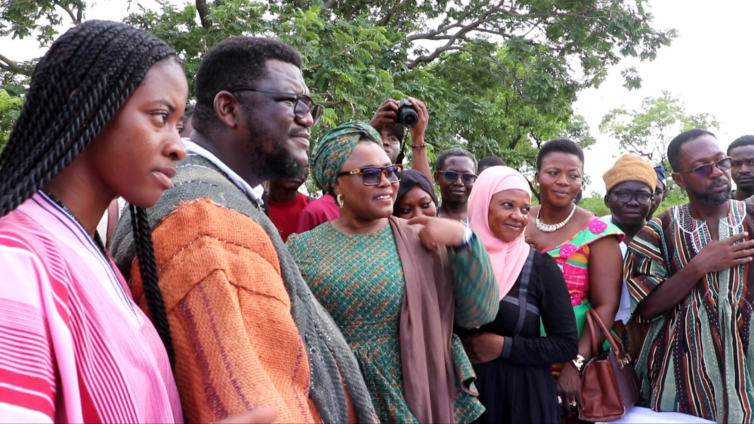
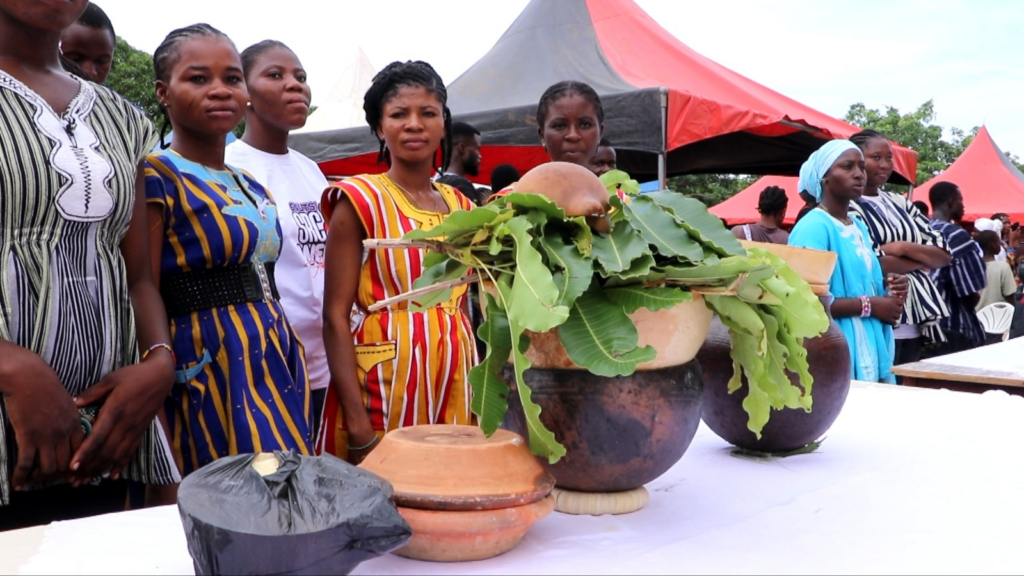
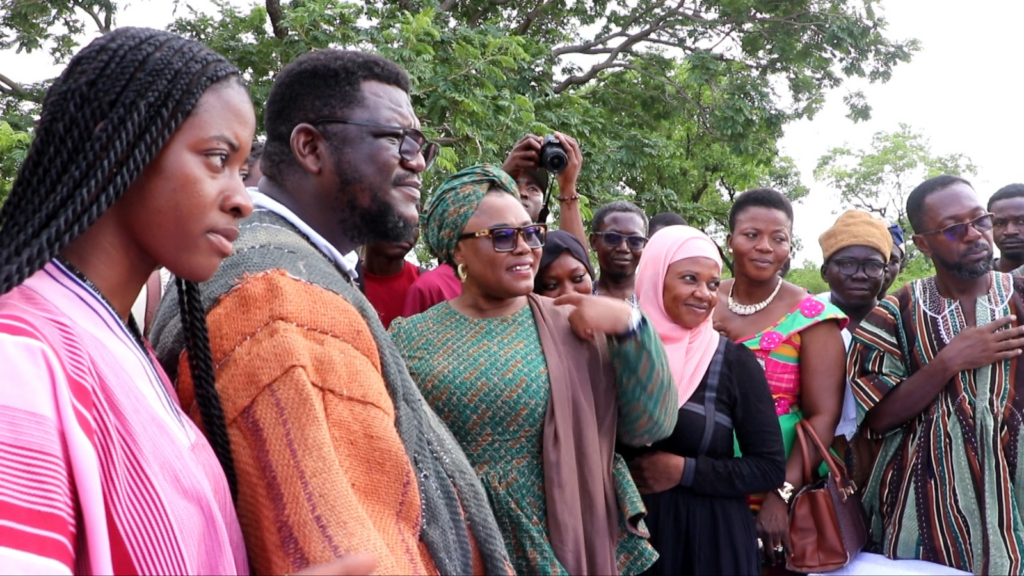
The climax of the launch featured a tour of a traditional food exhibition. Dignitaries, including Prof Darimani, Director Bannoku Daniel, and the Regional Director of the Ghana Tourism Authority, Kwesi Larbi, inspected the culinary displays.
Speaking at the event, the Upper West Regional Director of the Ghana Tourism Authority, Kwesi Larbi, warned that the gradual loss of traditional culinary practices in favour of “nutrient-dense recipes for fast food and foreign alternatives” threatens the foundation of Ghanaian identity.
“Modernity is not our enemy, but modernity can never replace our culture and tradition,” he said, urging students to find ways to “augment” traditional practices rather than discard them.
He added that gastronomy is no longer a peripheral aspect of tourism but an “absolute economic powerhouse” worth billions globally.
He encouraged young people to become entrepreneurs by creating innovative food tourism experiences rather than simply opening standard restaurants, highlighting the potential of indigenous ingredients such as dawadawa and shea butter.
Latest Stories
-
Ada Traditional Council suspends four members for defying cancellation of 2026 Asafotufiami durbar
5 minutes -
Association of Small-scale Industries, GEA strengthen artisans through mentorship, coaching
10 minutes -
Two arrested over alleged galamsey activities in Tanoso
15 minutes -
Ghana rises to sixth-largest gold producer globally after record 2025 output
21 minutes -
Five injured in road crash at Ahwerase
26 minutes -
Ghana needs copyright protection for Kente designs – Agortime-Ziope MP
32 minutes -
BDCs lobby NPA for regional fuel depots amid concerns over BOST’s role
38 minutes -
Green means Business: How Ghana’s garden revolution is growing jobs, wealth and hope
39 minutes -
Ahafo Regional Minister cuts sod for 24-hour market project in Tano North
46 minutes -
PURC resolves over 97 per cent of complaints lodged during first half of 2026
51 minutes -
New DVLA office opens in Asuogyaman to improve access, fight licensing fraud
57 minutes -
Ga-Dangmes urged to preserve lands, culture for future generations
1 hour -
Organised Labour pledges support for IPEC establishment
1 hour -
South Africa returnees form ‘Evacuation Boys’ to support sanitation in Ghana
1 hour -
Tema Traditional Council calls for cleaner environment, responsible parenting
1 hour