

Audio By Carbonatix
Head of the Department of Medicine and Therapeutics at the University of Ghana Medical School, Professor Vincent Boima, has called for a fundamental shift in the approach to kidney care in Africa, describing chronic kidney disease (CKD) as a growing but under-recognised public health crisis on the continent.
Speaking on the JoyNews AM Show on Friday, August 14, Prof. Boima said chronic kidney disease (CKD) is a growing but under-recognised public health crisis in Africa, affecting approximately 14% of adults across the continent.
He disclosed that the average age of people undergoing dialysis in Ghana is currently 45 years, highlighting the impact of kidney disease on people in their productive years.
Prof. Boima urged the public to pay attention to possible early warning signs of kidney disease, including frequent urination at night, foamy urine and swelling of the face.
He explained that as the condition progresses, patients may experience tiredness, difficulty concentrating, loss of appetite, sleep disturbances and breathlessness.
However, Prof. Boima cautioned that some people may not experience any noticeable symptoms despite having kidney disease.
“Some people do not feel any of these signs at all,” he added.
Mental health and kidney disease
Prof. Boima also stressed the importance of psychological care in the management of chronic illnesses, particularly among patients living with hypertension, chronic kidney disease and those undergoing dialysis.
“Psychological care cannot be divorced from chronic illness,” he emphasised.
He noted that many patients experience depression, anxiety and emotional distress, with these challenges often compounded by financial difficulties and inconsistent access to medication.
Prof. Boima therefore proposed routine mental health screening for patients attending hypertension and kidney clinics as an essential component of comprehensive care.
Prevention remains key
The Professor stressed that prevention remains the most effective and affordable strategy for addressing the growing burden of kidney disease in Africa.
He urged greater emphasis on early detection and prevention rather than relying predominantly on expensive treatment options after the disease has progressed.
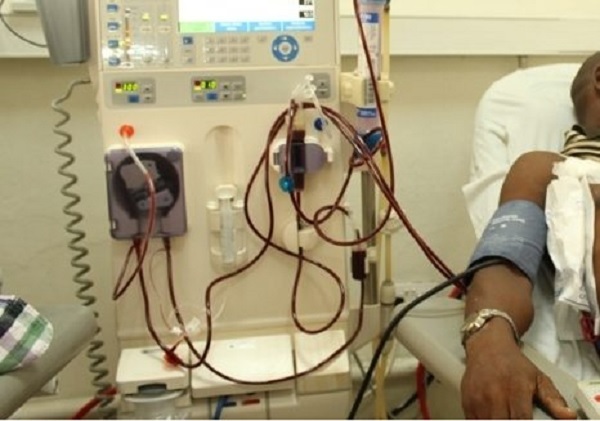
Prof. Boima further warned that Africa could not rely solely on dialysis to manage the increasing number of patients with end-stage kidney disease.
He described dialysis as prohibitively expensive and argued that greater attention must be given to kidney transplantation as an alternative.
According to him, kidney transplantation provides better survival outcomes and quality of life compared with long-term dialysis.
Despite this, he noted that many African countries lack adequate transplant services, even though end-stage kidney disease is more prevalent on the continent than in high-income countries.
Prof. Boima's call therefore underscores the need for African countries to strengthen preventive healthcare, improve early detection, expand access to affordable treatment, and invest in kidney transplantation and mental health support as part of a broader response to the continent's kidney disease burden.
Latest Stories
-
Presbyterian Church of Ghana clarifies role of Christians in stool/skin offices
7 minutes -
‘There is no emergency’ – Godfred Dame criticises vacation hearing in Abdul-Hamid case
12 minutes -
Eco SIM and sustainability, making mobile technology greener
25 minutes -
Daily Insight for CEOs: Building a future-ready organization
25 minutes -
The Hunger Project-Ghana commissions ICT Centre at Domi Achiansa Epicenter to bridge digital divide.
25 minutes -
Nabdam: Police arrest 14 for cultivating and distributing ‘wee’
26 minutes -
Afro-Arab Drive Green expands EV fleet to boost jobs through energy transition
29 minutes -
Sunyani Paramount Chief warns chiefs against cemetery land sales and encroachment
30 minutes -
Trump envoy Kushner arrives in Israel after rare Hamas talks on Gaza peace plan
31 minutes -
Burnham exchanged messages with person posing as Trump’s chief of staff
32 minutes -
Prof. Boima calls for shift in Africa’s approach to kidney care
32 minutes -
Stonebwoy: Afro Dancehall Pele
32 minutes -
Chamber of Mines engages Adamus, government over revoked mining leases
49 minutes -
Kwame Dadzie: Dear President Mahama, scrap ‘Black Star Experience’
1 hour -
CSA urges Ghanaians to report cyber threats
1 hour