

Audio By Carbonatix
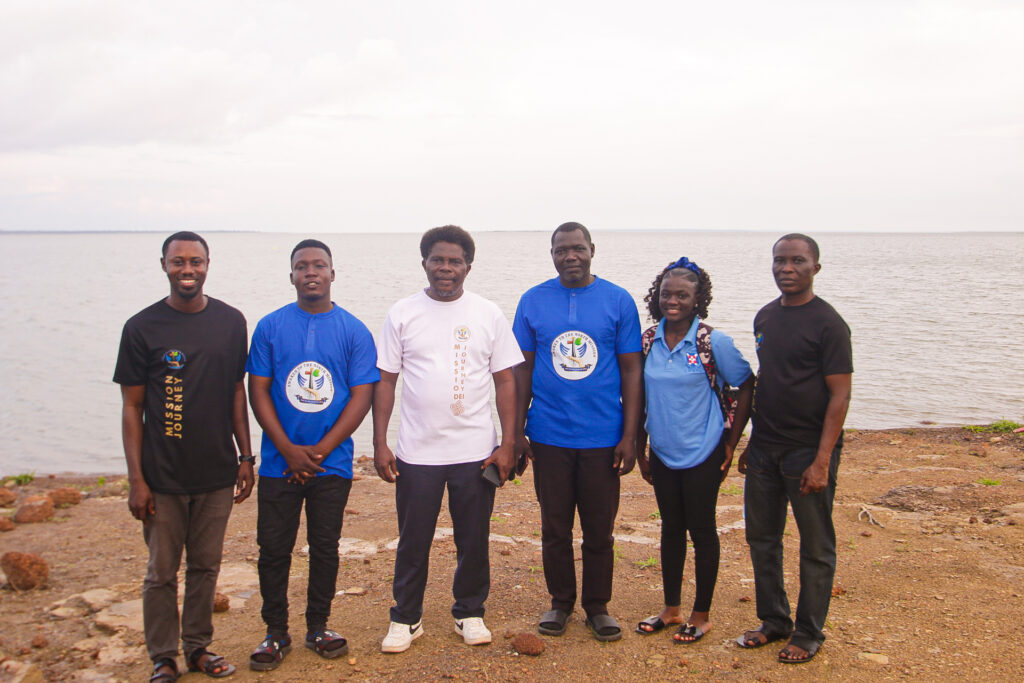
At 3:30 p.m. on August 26, I began another journey to Northern Ghana, my second trip to the North with the Awaken to the North Mission team.
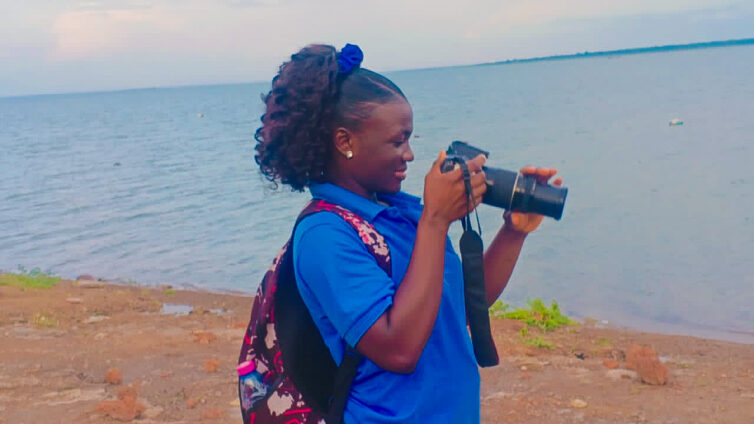
Three years ago, I made the journey for the first time, also as the team’s photographer. This year, I returned with my camera once again, tasked with documenting the two-week mission, telling stories from the communities and capturing moments that might otherwise go unnoticed.
But somewhere between the first kilometre and the last stretch into Lonto, I realised that the journey itself was a story worth telling.
The road to the North is long. And when you are travelling through the night, it feels even longer.
Our journey began at 3:30 p.m. aboard one of Ghana’s biggest transport companies, but the ride was far from straightforward.
Rather than leaving from the main station with passengers and luggage already organised, the bus made repeated stops at various points in Accra to pick up additional passengers. People boarded carrying bags, boxes, and all manner of belongings.
Before long, the boot was packed, and the bus became increasingly crowded with luggage as more passengers joined along the route.
It was a sharp contrast to the usual experience at the main station, where passengers and their luggage are largely sorted before departure.
Still, the journey continued.
At 6:25 p.m., we made our first rest stop at Lindador. By 10:34 p.m., we had reached Kumasi, before another stop at Oforikrom at 11:22 p.m.
Some portions of that journey were swallowed by darkness. We drove through communities where there were few or no streetlights, and the road ahead was sometimes little more than a narrow stretch illuminated by the vehicle’s headlights.
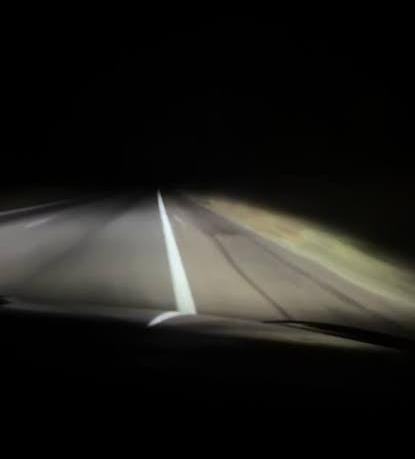
I remembered the same experience from three years ago. I had expected that perhaps, by the time I returned, some of those things would have changed.
But the darkness was still there.
And that was one of the first reminders that development can sometimes move much slower than our expectations.
Then came the long night.
At 3:27 a.m., we passed through Kintampo. By then, sleep had become less of a decision and more of a battle. I would doze off, wake up, look through the window into the darkness, shift position and try again.
It was a cycle of sleeping and waking intermittently throughout the night.
At 6:57 a.m., we finally arrived in Tamale.
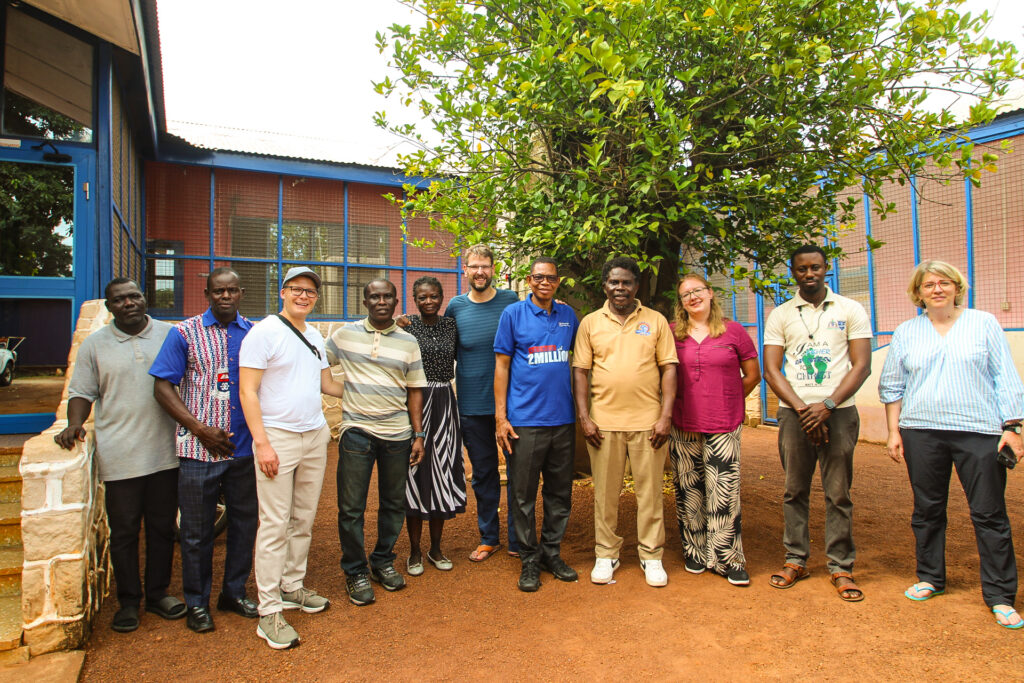
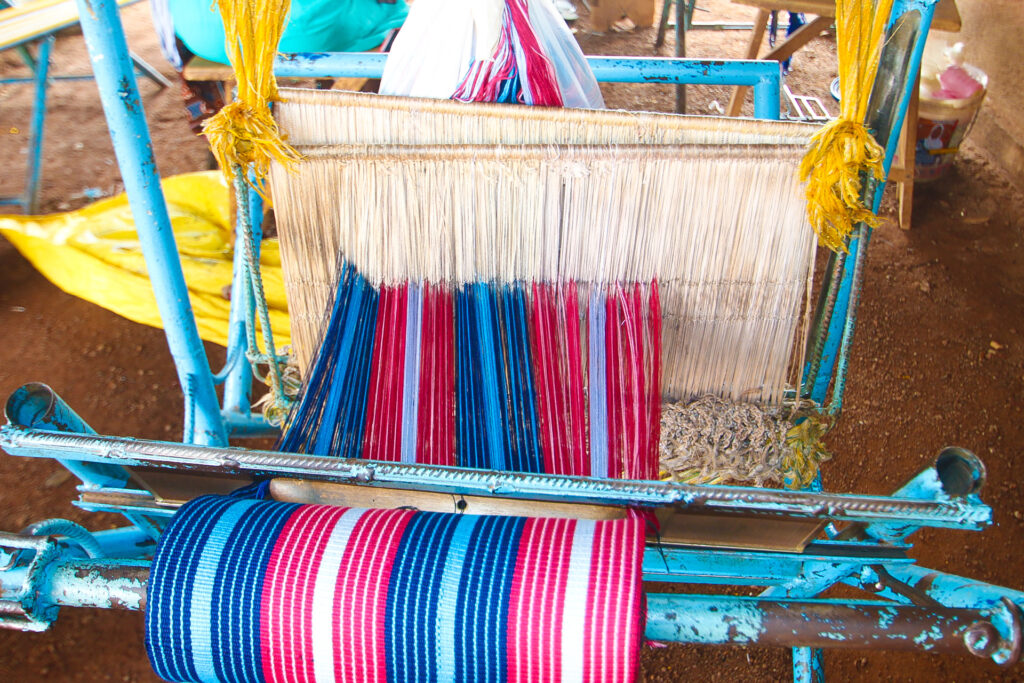
We went to greet the Northern Presbytery Chairperson, Rev Simon Yeboah, and before continuing our journey, stopped briefly at a fugu-making centre. It was one of the first things that caught my attention about the North.
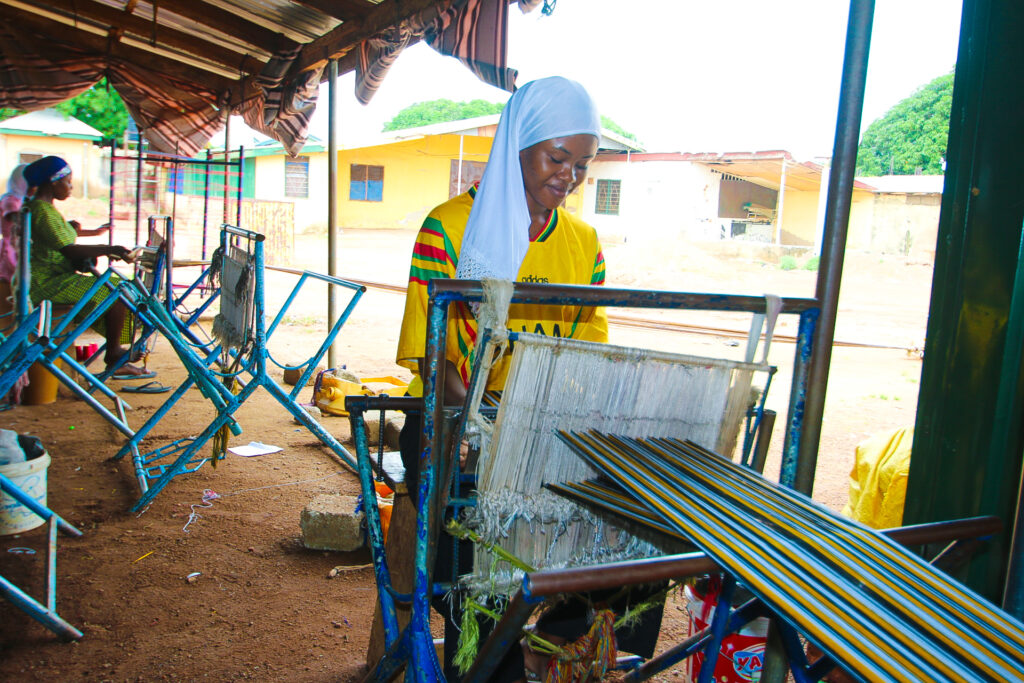
The place was entirely run by women, with young ladies seated and working carefully on pieces of fugu. Their hands moved steadily as they put the colourful traditional fabrics together, turning lengths of cloth into garments that have become synonymous with Northern Ghana.
But Tamale was only a stopover.
At 10:09 p.m., we continued towards Lonto.
We arrived in Lonto at about 2:19 p.m., tired from the journey but finally at our destination.
For the next two weeks, the camera became my companion as the mission went about its work; community broadcasts, child discipleship sessions, church services, revival meetings, outreach activities, Mission FC engagements, the dedication of a recreational centre and interactions with people in the community.
I was there to document these stories.
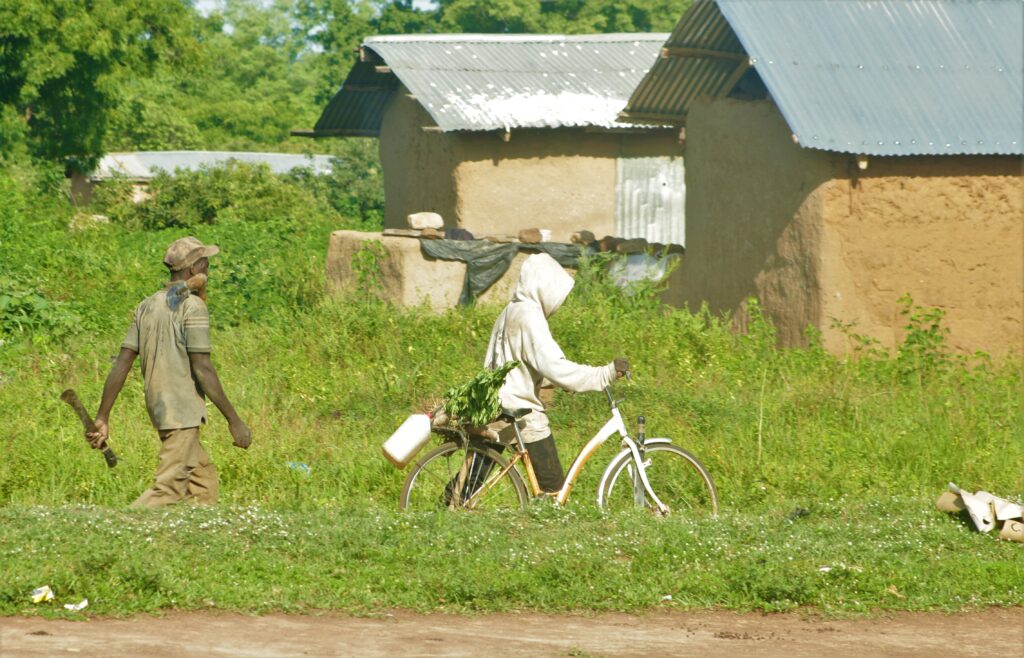
But as the days passed, I found myself documenting something else too: everyday life.
Lonto is hot; intensely hot during the day, and the scorching sun makes even ordinary activities demanding. Yet life continues at its own rhythm.
Food is another reminder of that rhythm.
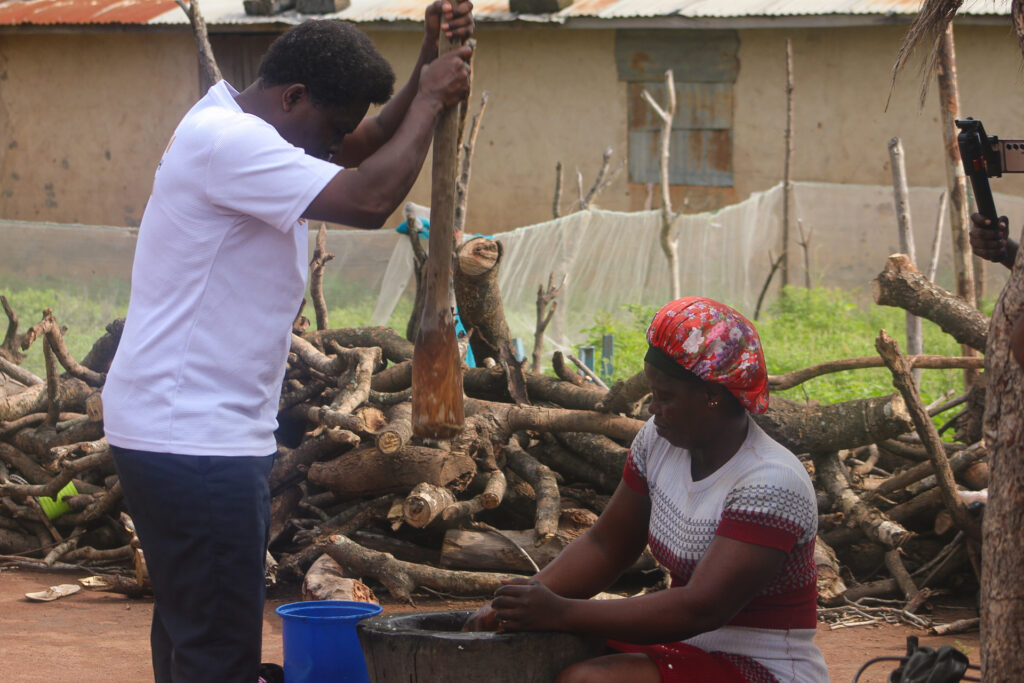
Yam fufu, morning, afternoon and night, can be an ordinary part of the menu. What may feel like a repetitive meal to someone from Accra is simply normal life for people here.
Then there is money.
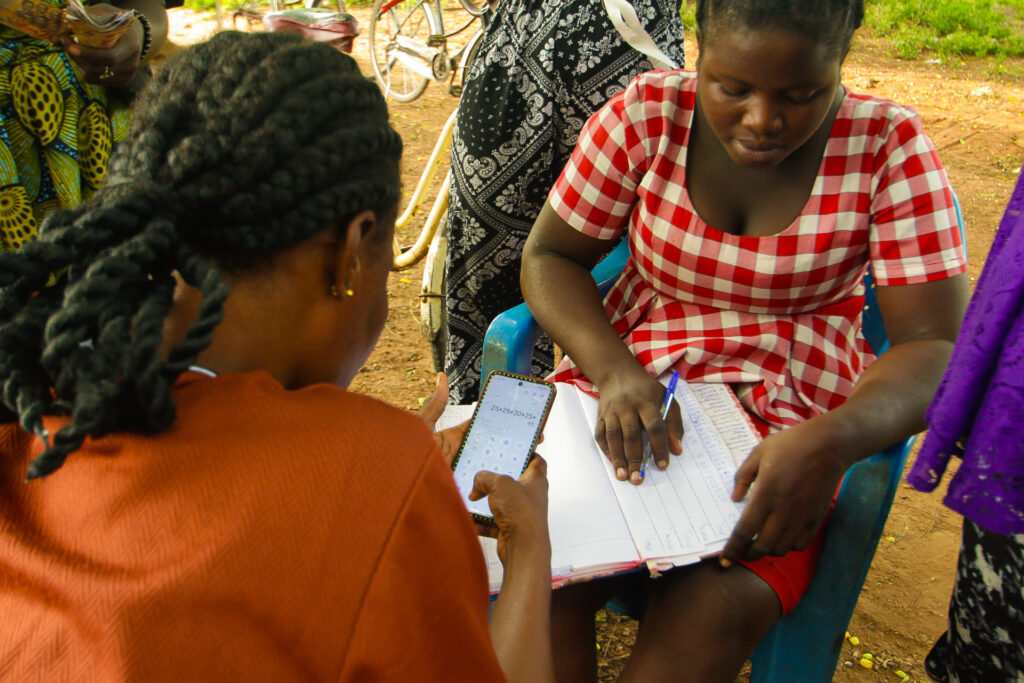
I noticed that Lonto does not have a bank. So, instead of walking into a banking hall to make deposits, women in the community gather at a central point, register their names and the amounts they are contributing in a notebook, and put the money together in a large metal box.
That box becomes their means of saving.
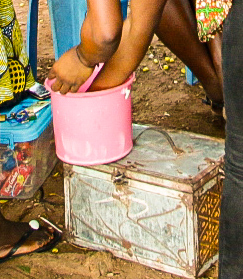
It is a simple system, but it says something powerful about how communities create their own solutions when formal systems are far away.
Power outages were another major challenge.
Electricity interruptions were frequent enough to affect everyday activities and even some of the mission’s programmes. At times, planned activities had to contend with darkness or unstable power.
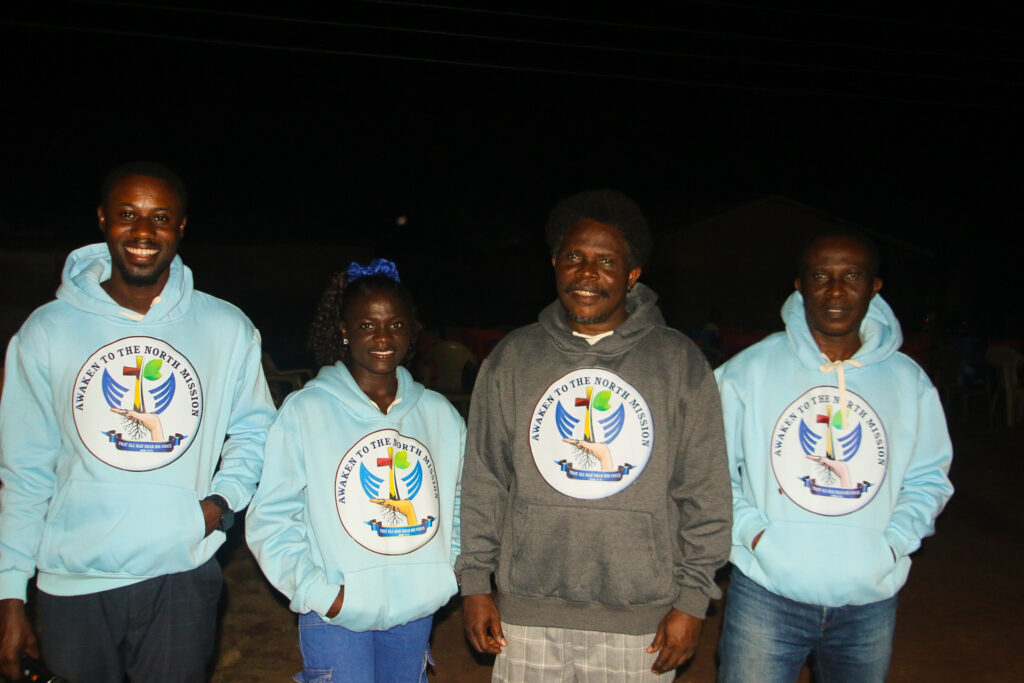
Yet perhaps one of the things that stayed with me most was the contrast between life here and the conveniences I have become accustomed to in Accra.
In Accra and other developed communities, a blender makes grinding almost effortless. Earthenware pots and other traditional tools can become decorative or occasional household items.
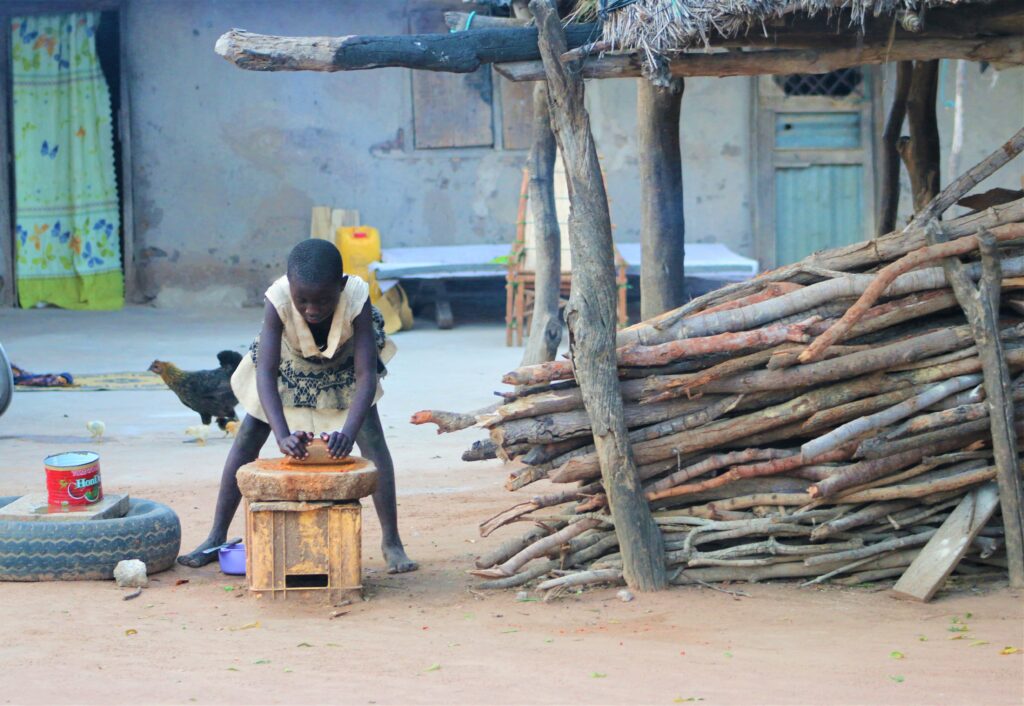
In Lonto, I saw people still grinding on stones, the old-fashioned way. It was not a performance for visitors; it was simply life.
There are also opportunities here. Land is affordable offering possibilities for people who want to build, farm or invest.
According to residents, land in Lonto is not sold. Instead, someone seeking a piece of land pays GH¢5 to the community leader or the person who assists in measuring the plot.
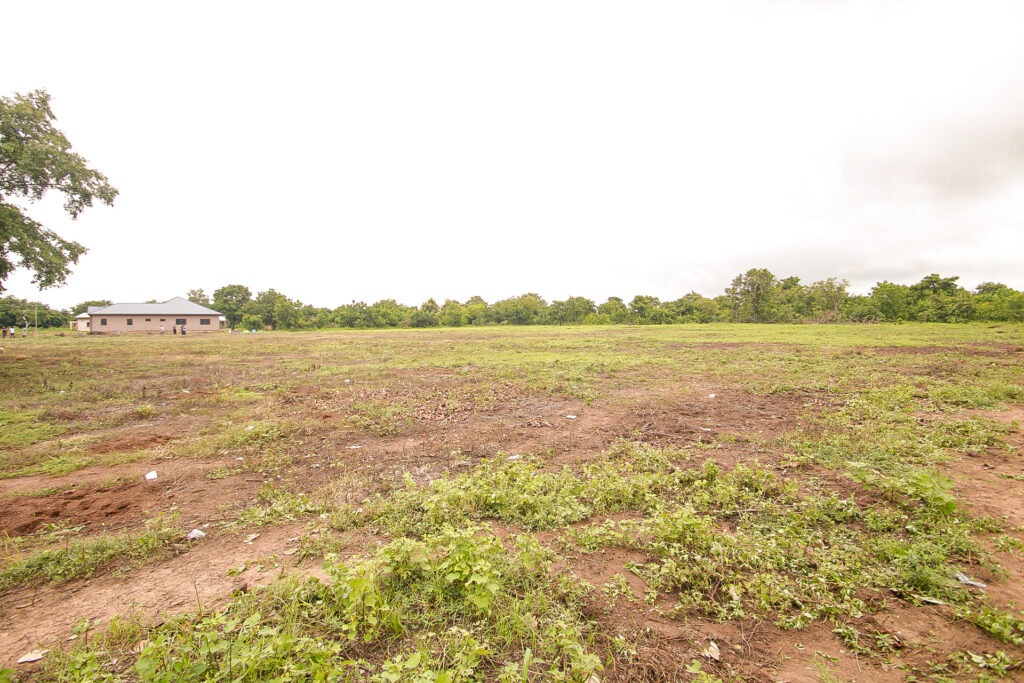
But alongside those opportunities are gaps in basic infrastructure and social services.
One of the most difficult reminders of this came from Adeɛmbra.
Three years ago, during my first trip to the North, I visited the community, located about an hour’s drive before Lonto. I encountered children who had to walk for about an hour to reach Lonto because Adeɛmbra had no school.
READ ALSO: A Cry for Knowledge – Adeɛmbra’s Quest for Education
The situation was heartbreaking.
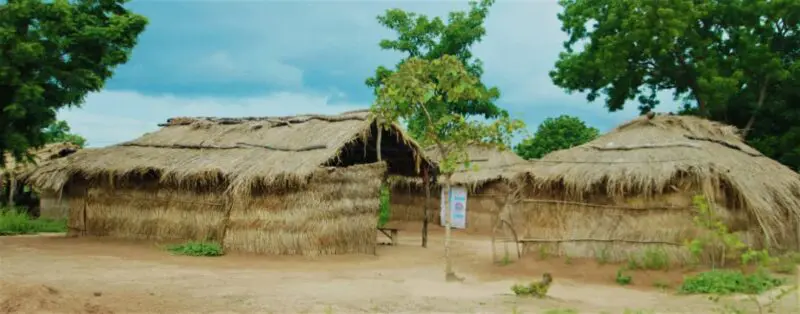
Children had to wait until they were around 10 or 12 years old; old enough to make the long walk before they could begin their education in Lonto.
Three years later, I returned, and the story had barely changed.
Adeɛmbra still had no school. The children were still without the basic social amenities. That, perhaps, was the hardest part of returning.
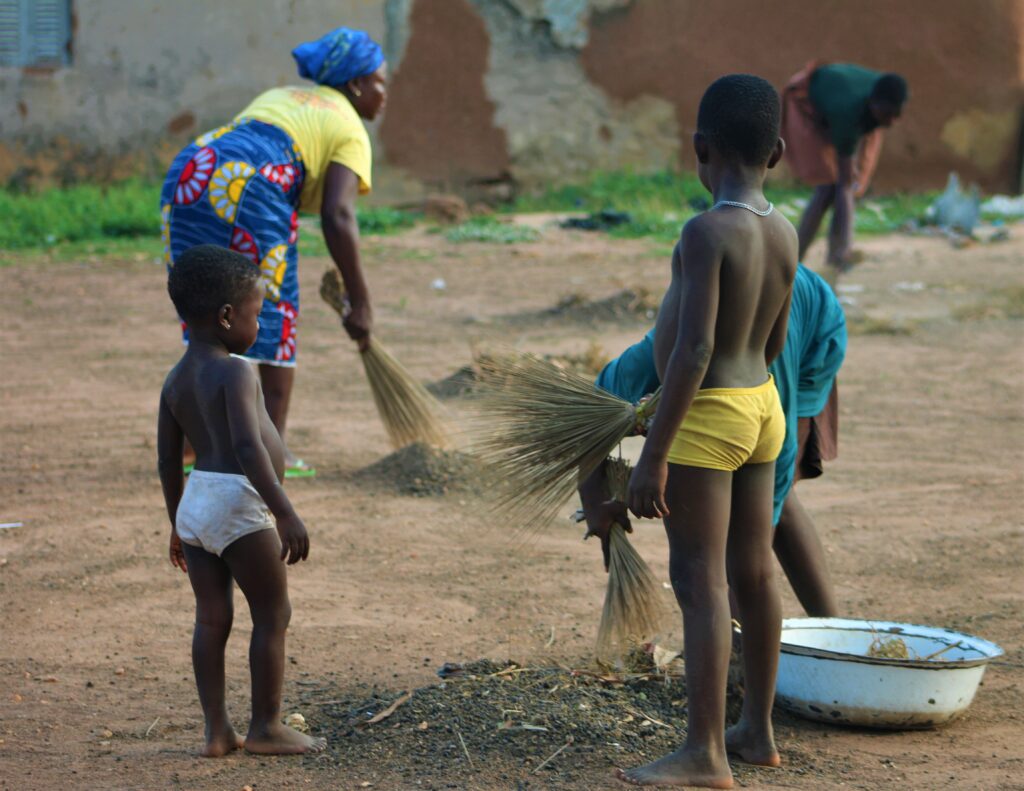
The Awaken to the North Mission may have been a two-week programme, but it gave me much more than photographs to take back to Accra.
It gave me faces, voices, long conversations, dusty roads, power cuts, scorching afternoons, dark journeys, children’s laughter, football, worship, music and stories of communities doing their best with what they have.
As a photojournalist, I went north to document the mission’s impact. As a traveller, I discovered that the journey itself had an impact on me.
READ ALSO: Justice Delayed, Justice Denied: The Agonizing Tale of Elizabeth
When we eventually began the return journey from Tamale at 4:30 p.m. on September 9, I knew I was leaving with more than images stored on my memory cards.
We arrived in Accra on September 10. The North had once again reminded me that Ghana is not experienced at the same pace everywhere.
Some places have banks; others have metal boxes. Some children walk a few minutes to school; others walk for an hour.
Some communities glow beneath streetlights at night; others disappear into darkness.
Somewhere between the long roads, the intermittent sleep and the miles of darkness, I realised that sometimes, to tell a story properly, you first have to travel through it.
And this time, I did.
Latest Stories
-
NCD burden rising as Ghana struggles with prevention, awareness and long-term care – Health Expert
17 minutes -
Patient safety must extend across entire NCD care journey – FOCOS Hospital’s orthopaedics chief
2 hours -
Collateral Registry: Security interest registrations declined by 32.2% in quarter 2, 2026
2 hours -
Ninani Group staff take part in health walk, football and games at annual wellness programme
2 hours -
Total value of secured loans hits GH¢31.5bn in quarter 2 2026
2 hours -
Ghana needs national dialogue to end political insult culture — Kpebu
3 hours -
‘Use your time wisely’ — Republic Bank MD advises youth
3 hours -
‘Relax, I’m not contesting you in 2028’ — DVLA CEO tells Zanetor
4 hours -
Discipline can turn Ghana around overnight — Republic Bank MD
4 hours -
From cowboy to Republic Bank MD – Dr. Benjamin Dzoboku tells it all
5 hours -
Insurance sector offers huge job opportunities as Ghana faces actuarial skills shortage — GIU Rector
5 hours -
Newsfile to discuss Ghana Jollof nurse case, cocaine shipment, COVID audit and constitutional reforms
5 hours -
CPP urges Ghanaians to revive Nkrumah’s vision of self-reliance and industrialisation
5 hours -
Bagbin re-inaugurates African Commission of Health and Human Rights Promoters with GH¢100,000 donation
5 hours -
Why Republic Bank is betting big on mortgages
6 hours