

Audio By Carbonatix
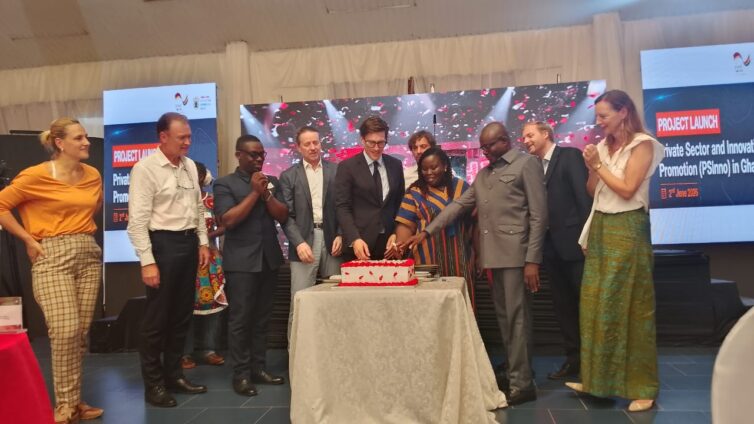
The Government has underscored the importance of a vibrant and innovative private sector to Ghana’s economic future, as it launched a new partnership with Germany aimed at supporting businesses and creating jobs, particularly in northern Ghana.
Speaking at the launch of the Private Sector and Innovation Promotion in Ghana (PSInno) programme, the Director of SME Development at the Ministry of Trade, Agribusiness and Industry, Cynthia Djokoto, said northern Ghana must play a central role in the country’s economic transformation.
Representing the Minister of Trade, Agribusiness and Industry, Ms Djokoto stressed that the initiative was designed to drive sustainable economic growth through private sector development rather than being just another development intervention.
“We are not here simply to launch another programme. We believe that Ghana’s economic future depends on a private sector that is stronger, more competitive and more innovative, and that the people, especially in northern Ghana, deserve to be at the heart of that transformation,” she said.
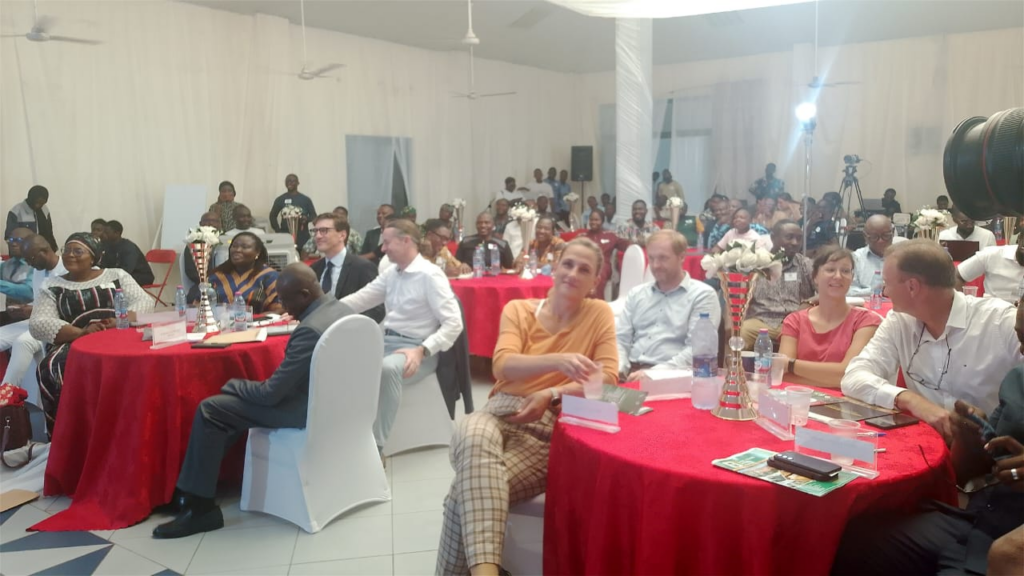
She expressed gratitude to the German government and the German Agency for International Cooperation (GIZ) for their continued partnership, describing Germany as a reliable and thoughtful development partner over the years.
The PSInno programme will focus on strengthening agribusiness in northern Ghana and promoting the digital economy across the country, with particular attention to women-led and youth-led enterprises. The initiative aims to support more than 1,100 businesses, promote 60 innovations and create approximately 2,000 jobs by 2028.
Ms Djokoto emphasised that northern Ghana should not be viewed as a region in need of charity but rather as an area rich with economic potential.
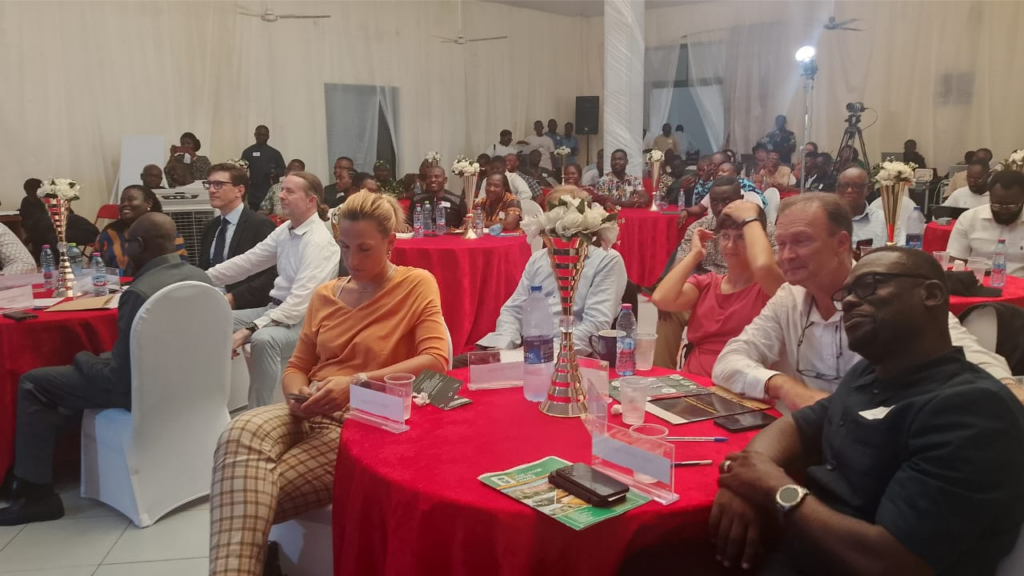
She cited the region’s vast arable land, youthful population and thriving value chains in grains, shea, vegetables and livestock as key assets capable of driving economic growth.
“For too long, we have not developed structural support linking agriculture and industry. When it is structured well, contract farming connects smallholder farmers directly to markets, reduces post-harvest losses that have cost this region so dearly, and creates employment for young people and for women in particular,” she said.
She also highlighted the government’s National E-commerce Strategy, which is intended to help small and medium-sized enterprises compete more effectively in domestic markets and take advantage of opportunities under the African Continental Free Trade Area (AfCFTA).
According to her, government will continue to collaborate with PSInno and other development partners to remove barriers to business growth.
“Government alone cannot transform this economy; development partners alone cannot create lasting change. What is needed is genuine collective ownership of this programme,” she added.
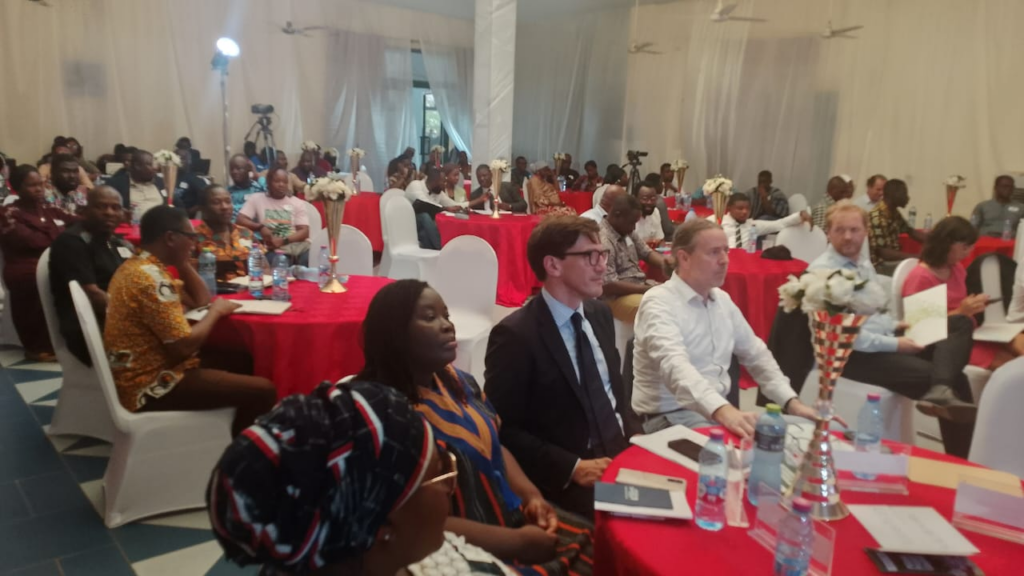
The German Ambassador to Ghana, Frederik Lanhshoft, said Germany was strengthening its commitment to northern Ghana to ensure that more economic value generated in the region remains within local communities and creates sustainable employment opportunities.
He noted that the future of northern Ghana would be shaped by entrepreneurs, farmers, business owners and innovators capable of transforming ideas into viable products and services.
“To create the conditions in which they can succeed is our shared task. And that is what PSInno is about,” he said.
The ambassador recounted a visit to a community in the Upper West Region where many young people migrate during the dry season to engage in illegal mining activities.
“They know the risks, they know the health consequences, and yet many still go because they want to earn enough money to buy a motorcycle, acquire farming equipment, build a house or pay for their education,” he said.
“Young people leave because opportunities are not always available where they are. And that is why creating economic opportunities here matters so much.”
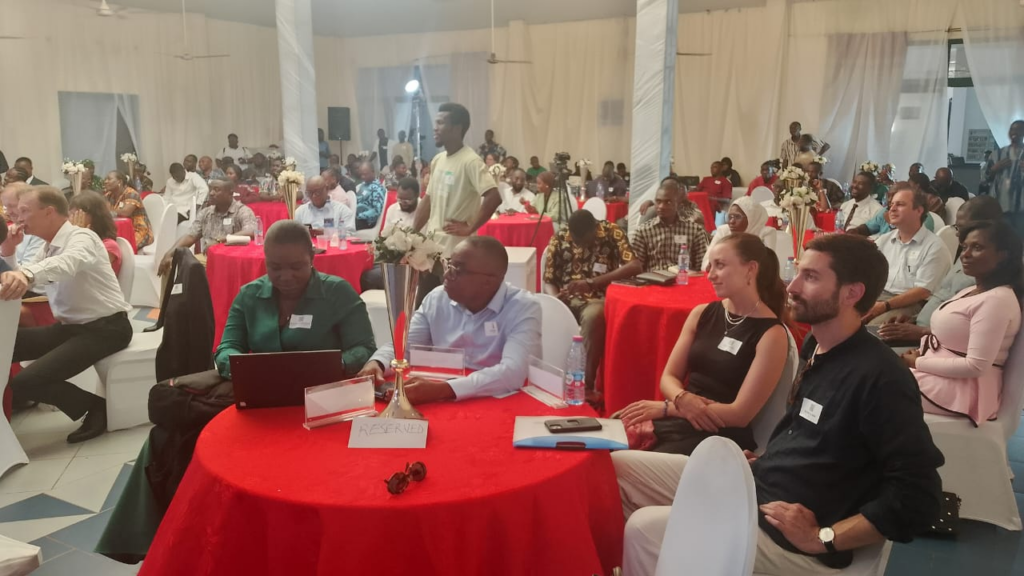
Mr Lanhshoft acknowledged that the five northern regions continue to face significant challenges, including climate change, erratic rainfall patterns, infrastructure deficits and the broader security pressures emanating from instability in the Sahel.
Also addressing the gathering, the Northern Regional Coordinating Director, Sumaila Ewuntomah, speaking on behalf of the Northern Regional Minister, expressed appreciation to the German government for its long-standing support to Ghana and the region.
He noted that Ghana and Germany have maintained a productive partnership for more than five decades, yielding tangible development outcomes.
Mr Ewuntomah cited the establishment of the Savannah Agricultural Research Institute as one of the key achievements of the cooperation, describing it as evidence of the positive impact of the enduring relationship between the two countries.
The PSInno programme is expected to serve as a catalyst for innovation, enterprise development and job creation, particularly in northern Ghana, while strengthening the country’s broader economic competitiveness.
Latest Stories
-
Livestream: The Law examines lawful arrest in Ghana
2 minutes -
Mahama urges African governments to treat healthcare as an investment, not budget cost
37 minutes -
Bawumia congratulates John Boadu and new NPP executives, pledges support ahead of 2028
39 minutes -
‘No talent should be left out’ – Bawumia pledges inclusive NPP campaign for 2028
45 minutes -
Prof. Mike Oquaye recounts how he blocked Special Prosecutor’s attempt to arrest Bawku Central MP
1 hour -
Make health sovereignty a priority for Africa – Mahama
1 hour -
Dorimon Naa, Wa West DCE lead massive clean-up exercise; threaten sanctions against recalcitrant residents
1 hour -
Photos from Adom FM Y2K Jam
2 hours -
Praye Tiatia steals the show at Adom FM Y2K Jam [Watch]
2 hours -
Boakye Agyarko congratulates John Boadu, pledges support for NPP leadership
2 hours -
Antwi HiMight thrills fans with Antwi ne Antwi hits at Adom FM’s Y2K Jam [Video]
2 hours -
Amb. Edward Boateng congratulates Boadu, Kodua on election wins
3 hours -
John Boadu pledges to rebuild NPP from grassroots and restore ‘winning machinery’
3 hours -
Ashaiman Assembly deploys monitoring system to curb dumping in storm drain
3 hours -
John Boadu must rebuild, unite NPP for 2028 – Edward Boateng
3 hours