

Audio By Carbonatix
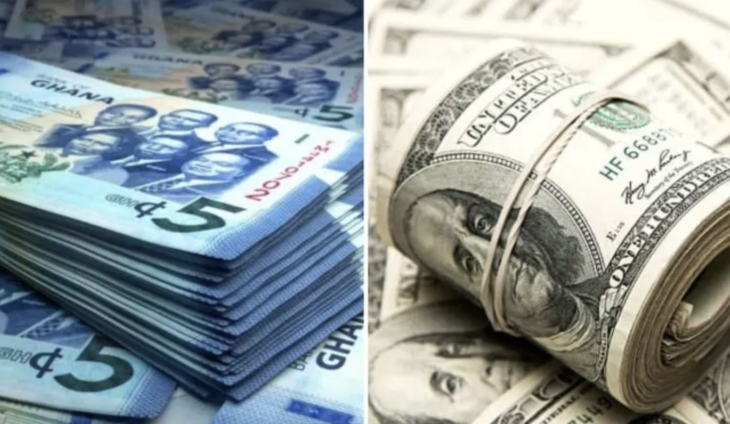
The Ghana cedi’s depreciation against the US dollar has widened to 9.5% in the first nine months of 2026, marking a sharp reversal from the currency’s strong performance a year earlier.
The latest Bank of Ghana data show the cedi trading at about GH¢11.55 to the US dollar in September, compared with GH¢10.45 at the end of December 2025.
The currency has also weakened against the pound and euro, recording year-to-date depreciations of 9.0% and 7.3% respectively.
The latest movement follows a period of relative improvement in August, when the cedi’s year-to-date depreciation against the dollar narrowed to about 7.1%.
The currency had strengthened to around GH¢10.95 to the dollar earlier in August before renewed pressure pushed it higher.
The depreciation represents a reversal of the cedi’s performance in 2025, when it recorded substantial gains against the dollar. Bank of Ghana data show the currency ended 2025 at GH¢10.45 to the US dollar, compared with GH¢15.30 at the beginning of the year.
The World Bank has identified increased foreign-exchange demand from the energy sector and dividend payments by some private corporations among factors contributing to pressure on the cedi.
At the same time, Ghana has continued to benefit from strong export earnings and improved external balances, indicating that foreign-exchange supply alone has not eliminated pressures arising from demand.
The Bank of Ghana has described recent exchange-rate movements within the context of a flexible, market-determined exchange-rate regime.
The central bank introduced a new Foreign Exchange Operations Framework in September to clarify the objectives and principles guiding its interventions while maintaining its inflation-targeting mandate.
The renewed weakness of the cedi comes as the Bank continues to manage competing pressures in the foreign-exchange market, including demand from businesses and other market participants.
The September data therefore point to a more challenging currency environment after the gains recorded in 2025, even as Ghana’s broader macroeconomic indicators continue to show signs of stabilisation.
Latest Stories
-
Bright Ofori writes: Who should hold Africa’s at least two permanent seats on a reformed UN Security council?
2 minutes -
BoG set to announce new policy rate amid Middle East pressures
6 minutes -
Alan Kyerematen warns Ghana’s youthful population could become economic burden without jobs
9 minutes -
Fund Accra-Kumasi Expressway with private capital, not state funds – Alan Kyerematen
12 minutes -
Climate finance bureaucracy hurting vulnerable countries – Sierra Leone Minority Leader
22 minutes -
Ghana–Yorkshire Trade & Investment Summit brings enterprise, culture and community together in Bradford
26 minutes -
ECOWAS must move beyond climate talk to concrete action – Sierra Leone Minority Leader
30 minutes -
ECOWAS must adopt common disaster-preparedness laws – Sierra Leone Minority Leader
34 minutes -
Augustine Boakye: the talent Ghanaians are waiting to see
1 hour -
KNUST launches Ghana Photonics and Optics Laboratory
2 hours -
Ghana’s reserve buffer shrinks to 4.2 months as BoG flags fresh external risks
2 hours -
Ghana, China reaffirm commitment to deepen strategic partnership
2 hours -
Mahama rings Nasdaq closing bell, declares Ghana ‘open for business’
2 hours -
Judge blocks Trump’s White House media ban, orders access to be restored
2 hours -
GNFS contains Dansoman, La fires and saves three adjoining buildings
2 hours