

Audio By Carbonatix
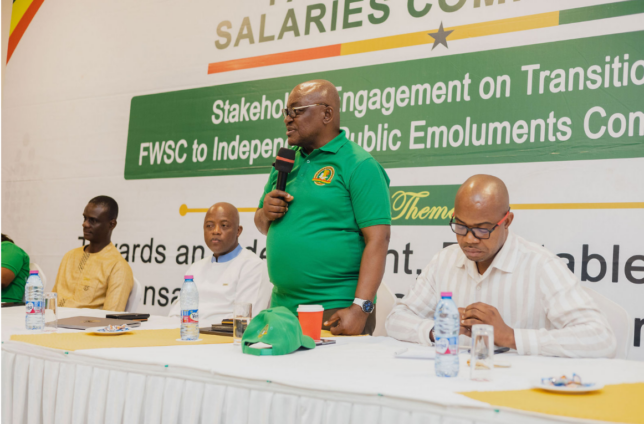
The Fair Wages and Salaries Commission (FWSC) on Friday engaged chief executive officers of State-Owned Enterprises (SOEs) on the transition to the Independent Public Emoluments Commission (IPEC).
The stakeholder meeting brought together CEOs, Deputy CEOs, Finance and Human Resource Directors of more than 100 SOEs, as well as representatives of the State Interests and Governance Authority (SIGA), Development Partners and the media.
It is part of a series of nationwide consultations being undertaken by the FWSC following President John Dramani Mahama's declaration of the Commission as an Institution in Transition in March this year.
Addressing the participants, the Chief Executive of the FWSC, Dr George Smith-Graham, said SOEs account for a significant portion of the public sector wage bill and are central to the ongoing pay reforms.
He described Ghana's current public sector remuneration system as fragmented, inequitable and a major source of industrial relations tensions, especially within the SOE sector.
"The new IPEC will provide an independent, professional and evidence-based framework for determining all public sector emoluments, including SOEs, while ensuring fiscal sustainability, transparency and equity," Dr Smith-Graham assured.

Concerns over Autonomy
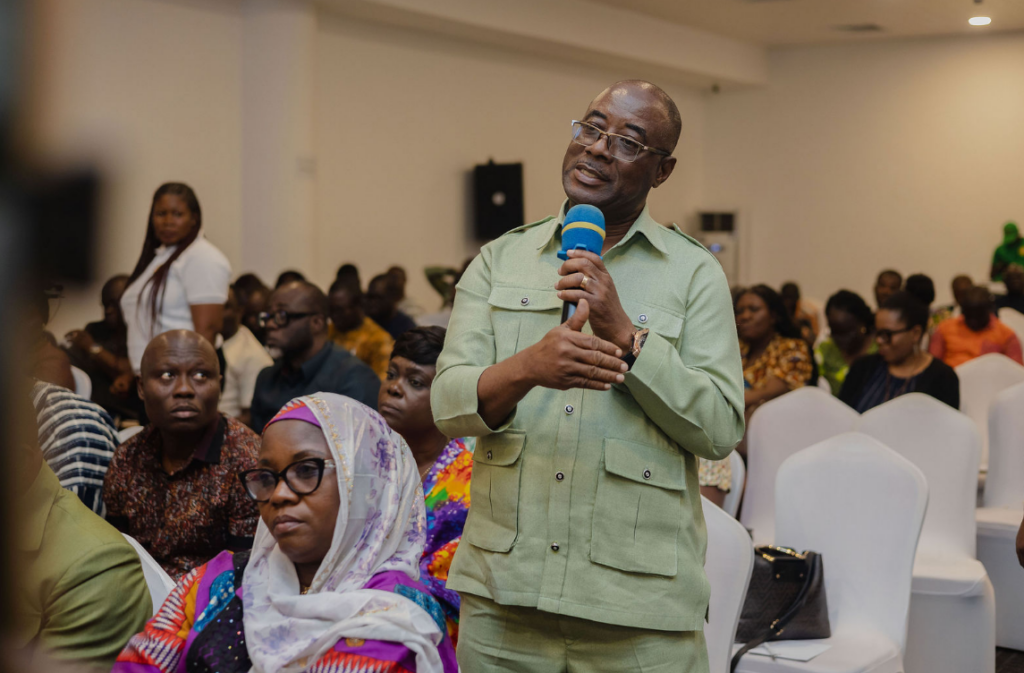
During an open forum, some of the attendees expressed concern about how the new regime will affect their ability to attract and retain critical talent, the fate of existing Collective Agreements, and the level of autonomy Boards will retain to determine market premiums and allowances.
Responding to the concerns, Dr. Smith-Graham explained that IPEC will not scrap performance-based incentives, but will rather streamline and harmonize them under a new National Emoluments Policy and a National Negotiation Framework.
He disclosed that as part of the reform, Government will undertake a comprehensive nationwide Job Evaluation exercise to establish a modern grading architecture and ensure equal pay for work of equal value. A National Productivity Framework will also be developed to link remuneration to productivity and performance.
The FWSC indicated that inputs from the engagement will feed into the final draft IPEC Bill, which is expected to be laid before Parliament before the end of October 2026.
Latest Stories
-
IPEC will ensure Equity and Sustainability in SOEs Compensation
25 minutes -
White House bars CNN from travelling with Trump on Air Force One
1 hour -
Fennis wins second consecutive ITF J60 title in Accra
1 hour -
Spain beat England in thriller after Kane penalty miss
1 hour -
GPL 2026/27: Zaidan’s late goal ends Hearts of Oak unbeaten start
1 hour -
CEOs demand clarity on pay harmonisation, board autonomy as FWSC engages SOEs bosses over IPEC transition
1 hour -
2026 Women’s Super Cup: FC Savannah, Epiphany Warriors maintain top spots ahead of final group games
2 hours -
‘Is EOCO responsible for determining lawyers’ fees?’ – Baffour Awuah
2 hours -
David Beckles claims second J60 Accra title
2 hours -
No France cocaine suspect linked to Mahama, Vice President’s security details – NACOC
2 hours -
Anwelle Foundation launched in Jirapa to tackle poverty, youth unemployment
3 hours -
Joy Sports Editor Fentuo Tahiru Fentuo to moderate inaugural Music Meets Football Summit in Zambia
3 hours -
Court premises too volatile for Baffour Awuah’s attempted arrest by EOCO – Inusah Fuseini
3 hours -
Drug bust: Under no circumstances will NACOC leadership be compromised – Twum-Barimah
3 hours -
VIDEO: EOCO’s attempted arrest of Baffour Awuah was flawed beyond saving – Law Lecturer
3 hours