

Audio By Carbonatix
The Akosombo Dam floods were not just a natural calamity; it was a test of governmental commitment to its citizens. One year later, that test remains unpassed.
The anniversary of the disaster, marked by a gathering at the Degorme camp in Mepe, underscored the glaring gaps in disaster management and recovery efforts.
Despite occasional visits by government officials, tangible support remains absent. Over 200 individuals still live in makeshift shelters, battling exposure to harsh weather and health risks.

The MDA’s expenditure of over GH₵100,000 on camp maintenance is a testament to the community’s resilience but also highlights the absence of state intervention.
The Member of Parliament for North Tongu, Samuel Okudzeto Ablakwa, is leading efforts to seek legal redress. His initiative raises questions about governmental accountability and the mechanisms in place for disaster compensation.
The community’s demands, including compensation, housing, and psychological support, are not extraordinary—they are basic expectations in the wake of such disasters. The lack of response points to systemic inefficiencies that need urgent attention.
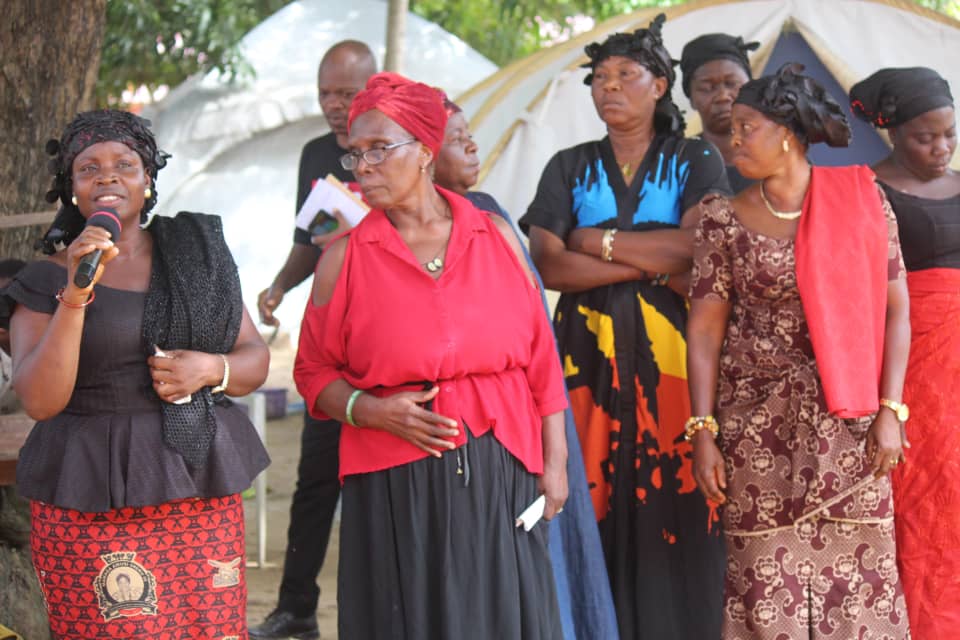
The disaster has reignited calls for a comprehensive national policy on disaster management. Stakeholders argue that such policies must prioritise prevention, swift response, and adequate post-disaster support.
Mepe’s proactive steps—conducting detailed data collection, maintaining the Degorme camp, and initiating vocational training projects—set an example of grassroots resilience. However, such efforts cannot replace the need for robust state action.
As Mepe remembers its darkest hour, the question lingers: Will the government rise to the occasion, or will the cries of displaced people fade into oblivion?
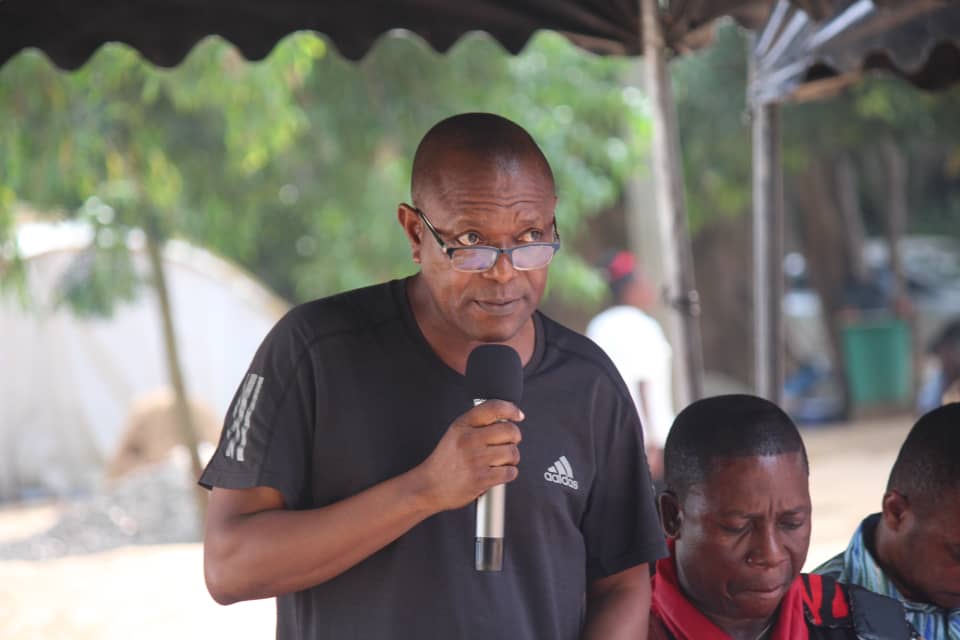
Chairman of the Mepe Development Association (MDA), Fabian Mawulenu Kojo, in his speech, highlighted the lingering struggles of the affected and the perceived failure of state intervention.
He said the government and its allied agencies should adequately and properly engage the Mepe Development Association, the traditional council and all other relevant stakeholders within the locality in all its engagements for the successful implementation of any of its intended interventions.
Latest Stories
-
Tarkwa court jails labourer for three years over GH¢123,000 theft
37 minutes -
GAEC must retain nuclear scientists for Ghana’s nuclear ambitions – Minister
1 hour -
Man reportedly mistaken for game and shot by hunter dead in forest
1 hour -
19-year-old mason jailed 15 years for defiling seven-year-old pupil
1 hour -
Ghana’s banking sector assets rise 20.47% to GH¢500.2bn – BoG Governor
1 hour -
22 injured as Sprinter bus overturns at Sege after tyre burst
1 hour -
UN housing expert urges Ghana to strengthen Rent Control Department amid housing affordability concerns
1 hour -
Delta-BCI partnership reaches 166,000 people with breast cancer education
2 hours -
Power restoration fault suspected in Kumasi Central Market fire
7 hours -
The 7-foot giant of Ngleshie Amanfro: Seven-foot Ghanaian Ephraim Saawa dreams of joining the national basketball team
7 hours -
Government promises support for Kumasi Central Market fire victims
8 hours -
Vibes The Movie: Big Ghun’s Ghanaian film earns five nominations at 2026 REFFA
8 hours -
‘I’m a fulfilled man’—Justice Korbieh on missing out on Supreme Court despite two nominations
8 hours -
MamaCare CEO warns unresolved conflicts among health workers could undermine maternal and neonatal care
8 hours -
Health professionals urged to translate medical knowledge into practice to save mothers
9 hours