

Audio By Carbonatix
Africa is losing species and natural resources that millions of people depend on for food, income and clean water, the UN Convention on Biological Diversity has warned.
The warning was made in Nairobi, where scientists and government representatives are meeting to discuss how countries can respond to the loss of biodiversity.
Executive Secretary of the Convention on Biological Diversity, Astrid Schomaker, said the world was spending far more money on activities that damage nature than on protecting it.
“The world spends 30 times more money destroying nature than protecting it,” she said.
Biodiversity is the variety of plants, animals and other forms of life on Earth. It supports ecosystems and provides people with food, medicine and clean water. It also helps communities cope with climate change.
“Thanks to biodiversity, we have food. Biodiversity gives us clean water. It helps us fight climate change. It makes us more resilient,” Ms Schomaker told UN News.
Africa contains about a quarter of the world's biodiversity. But a recent study found that the continent had lost about 24% of its species since the pre-industrial period.
The loss is a particular concern for Africa because many people depend directly on natural resources for their livelihoods.
Ms Schomaker said climate change was among the biggest causes of biodiversity loss and that Africa was especially exposed to climate shocks.
Other pressures include rising temperatures, invasive species, pollution and the overuse of land and water. These are affecting the resources that rural and coastal communities rely on for food, income and clean water.
Funding nature protection
The meetings in Nairobi are now turning from understanding the problem to finding ways to respond to it. Governments and negotiators are discussing how biodiversity can be included in national decisions and how financial institutions can become more involved.
They are also looking at how to raise the money needed to address the funding gap.
“We have a very solid understanding of where we are,” Ms Schomaker said. “And now it is taking this understanding of where we are and translating it into recommendations on how we can move forward faster.”
The UN Environment Programme warned earlier this year that harmful investments and government subsidies, including support for fossil fuels, continue to outweigh spending on protecting nature.
Hope ahead of COP17
There are, however, signs that countries are taking the issue seriously. The Convention on Biological Diversity says reports submitted by 125 countries show strong international engagement in efforts to tackle biodiversity loss.
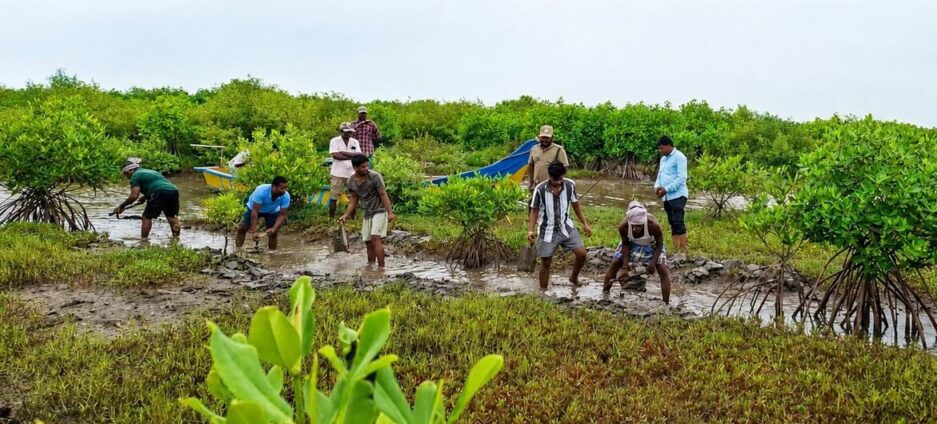
It also says individuals have a role to play, including through planting trees, creating habitats for insects and avoiding harmful chemicals.
The recommendations from the Nairobi meetings are expected to contribute to discussions at COP17, the next meeting of countries that are parties to the Convention on Biological Diversity on 19 October.
Countries will review progress towards the Kunming-Montreal Global Biodiversity Framework, which was agreed at COP15 as a plan for reversing biodiversity loss in Yerevan, Armenia.
Ms Schomaker said the challenge now was to turn the available scientific knowledge into action.
“How can we turn this around?” she said, adding, "How can we make everybody understand that biodiversity matters for them – that destroying biodiversity means you essentially destroy what you are building your lives on – and then make the right decisions?"
Latest Stories
-
Fuel, taxes and loans are driving up airfares – Prof Quartey
12 minutes -
Ghana, Côte d’Ivoire mark major border milestone with 37 new pillars
32 minutes -
Almost everything in Ghana is expensive – CUTS Director on airfare debate
42 minutes -
NAFCO builds GH¢100m food buffer as Ghana moves to strengthen food security
58 minutes -
Oil heads higher as US-Iran peace talks in stalemate
1 hour -
GAF sets Sept. 28–30 for Documentation, Body Selection Exercise
1 hour -
I resigned five months ago – BoG Governor Asiama explains GoldBod Board exit
2 hours -
Trump says men arrested at UK air base used by US were looking to do ‘big damage’
2 hours -
Trump confirms meeting with Anthropic’s Amodei, repeats dismissal of AI fears
2 hours -
China pushes back against US on Iran and Cuba in UN speech
2 hours -
OpenAI, Anthropic CEOs called to appear at Australian AI probe
3 hours -
No land is worth a human life – Sissala West MP mourns 2 dead in Buo-Tiwii clashes
5 hours -
GCAA explains why some prospective airlines fail to complete certification
5 hours -
WHO says Congo Ebola outbreak spreads to two new health zones
5 hours -
Nigeria come from benhind to win in AFCON 2027 qualifier
5 hours