

Audio By Carbonatix
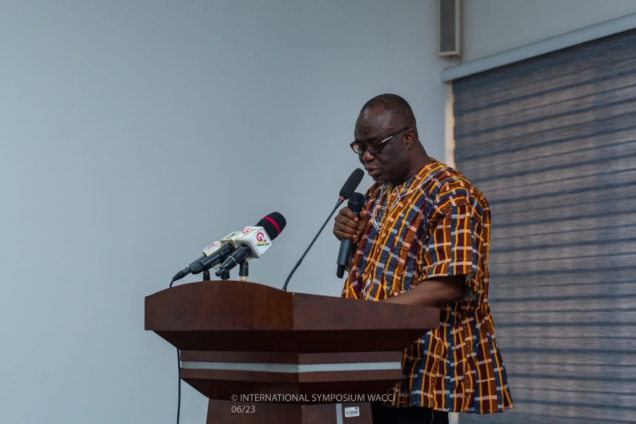
Deputy Food and Agriculture Minister Yaw Frimpong Addo is urging African governments to invest in biotechnology to improve agriculture on the continent.
He says wants African governments to improve collaboration in the deployment of agricultural biotechnology tools to help save the about 278 million people on the African continent (one-fifth of the population) who are undernourished.
“We need to invest more in research development. We need to collaborate more across the continent so we can share expertise and personnel.
"Our donor partners need to support such research efforts even more since we cannot do it all by ourselves,” he said.
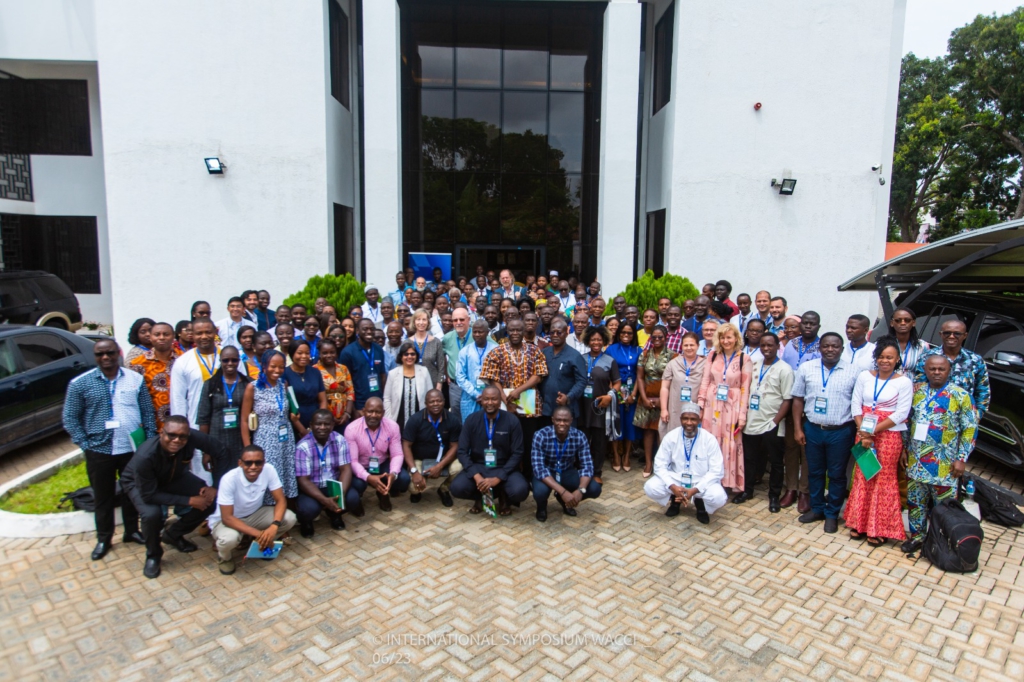
The Deputy Minister who is also the Manso Adubia MP made the call in a speech at the maiden edition of the International Symposium on Agricultural Transformation and Biotech Crops in Africa which was held at the University of Ghana.
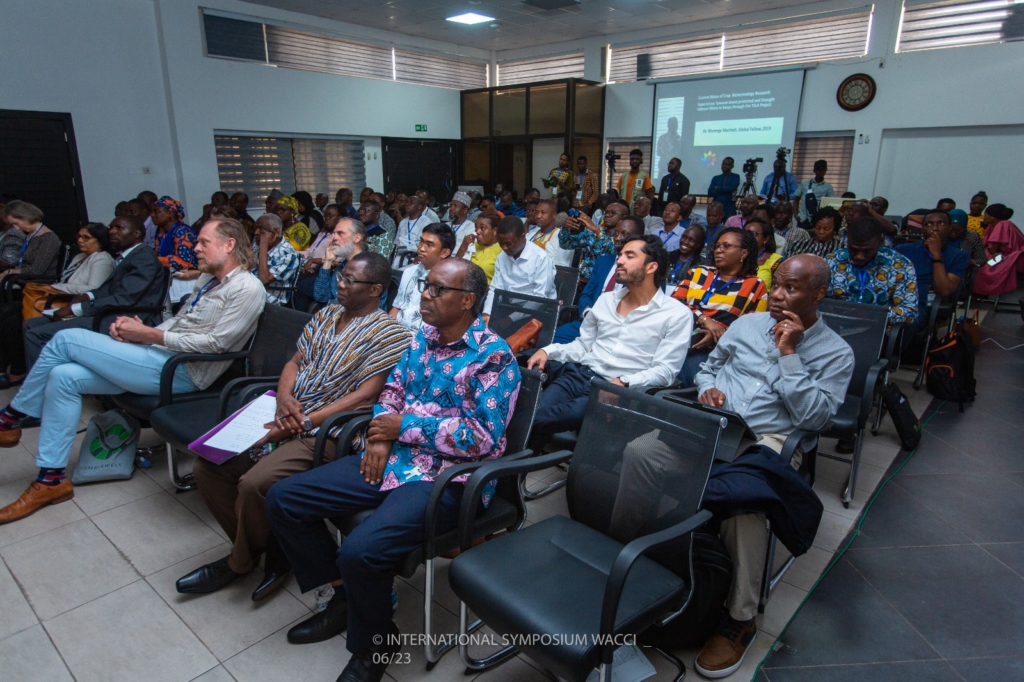
The symposium deliberated on what agricultural sector stakeholders need to do differently to ensure expanded farmer access to crops produced using New Breeding Techniques (NBTs).
Participants deliberated on how genetically modified organism (GMO) technology has been deployed on the African continent for the benefit of farmers, its impact so far, and its prospects.
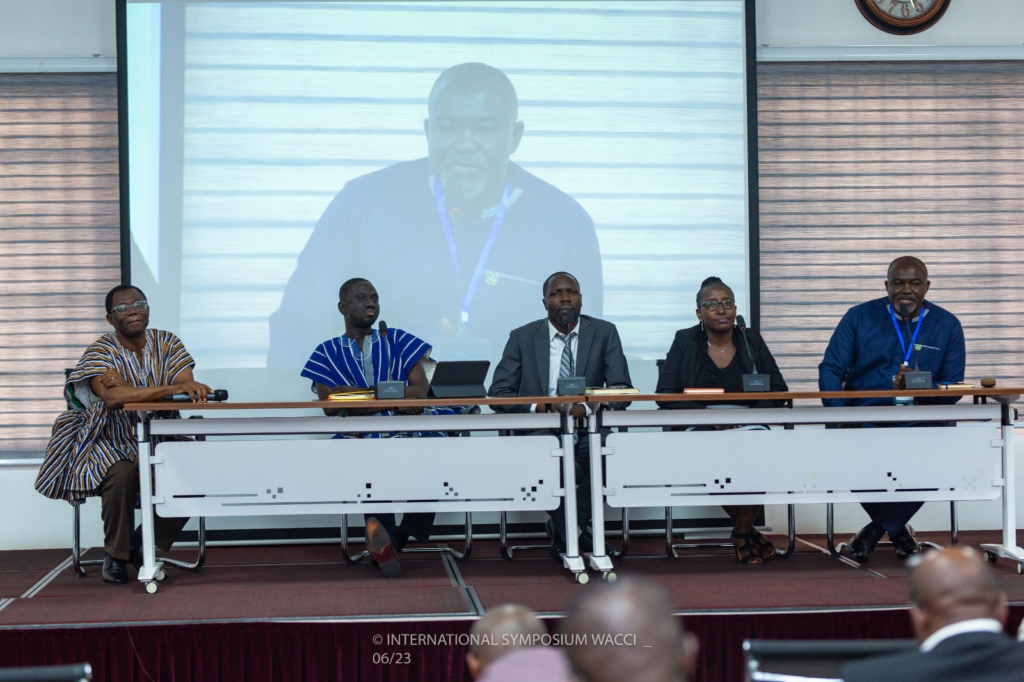
Also, participants deliberated on the yet-to-be-realized potential that genome editing holds for the ongoing efforts to ensure Africa feeds itself.
Scientists shed light on the latest promising new breeding techniques and other scientific innovations in crop improvement.
The symposium was organised by Alliance for Science Ghana and the West Africa Centre for Crop Improvement (WACCI) at the University of Ghana.
Twenty-five speakers from about 20 different countries spoke at the conference including Prof. Eric Danquah who is the founding director of WACCI; Dr. Sheila Ochugboju, Executive Director of Alliance for Science; Dr. Leena Tripathi, Eastern Africa Director of International Institute of Tropical Agriculture (IITA), Kenya.
The others are Prof. Giles Oldroyd, Director of Cambridge Crop Science Centre, University of Cambridge, UK; Dr Michael Osae, Director, Biotechnology & Nuclear Agriculture Research Institute, Ghana; among others.
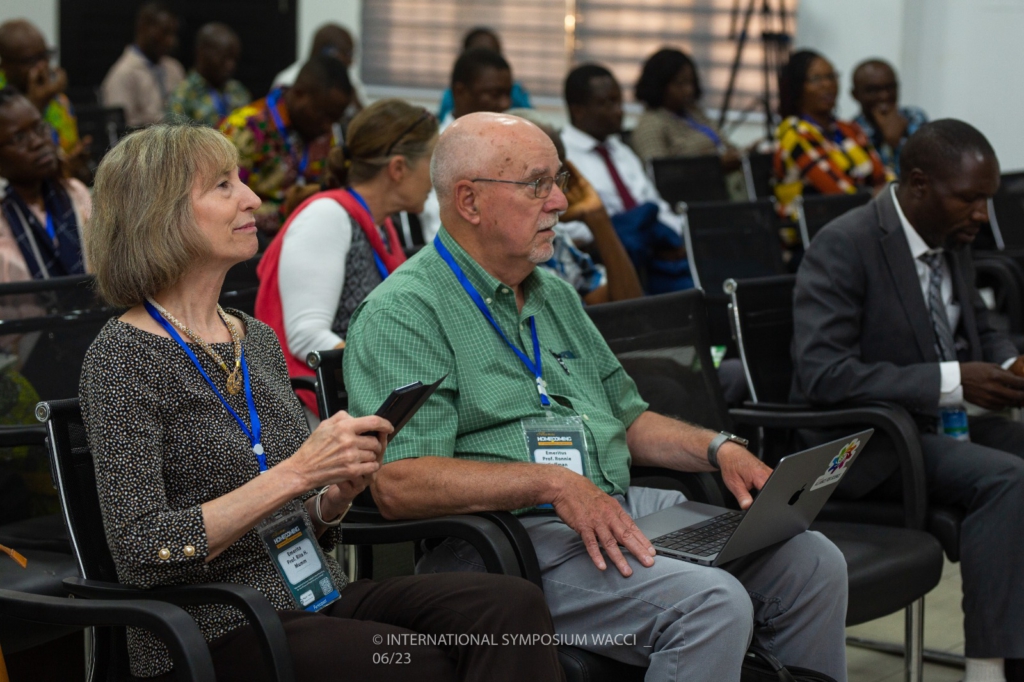
Beyond the African continent, there were guest speakers from Latin America, the USA, the UK, and the Philippines.
Hundreds of other scientists participated in person including Prof. Ronnie Coffman of Cornell University and Prof. Rita Mumm of the University of Illinois.
Conference organisers said a communique on ‘Pathways To Making Africa Food Sufficient’ will be issued after the symposium, detailing the recommendations on the changes that African governments, state agencies, donor partners, universities, research institutions, industry, farmers, consumers, and other agricultural sector stakeholders, should institute to help enhance access to ‘made in Africa biotech crops.’
Mr Frimpong Addo said Ghana is leading the way when it comes to the introduction of scientific innovations in agricultural production and urged the rest of Africa to follow suit.
He said the National Biosafety Authority (NBA) in June last year approved Ghana’s first genetically modified crop, the Pod borer Resistant Cowpea or Bt cowpea, for environmental release.
“Currently, multilocational trials are ongoing for the genetically modified cowpea varieties before they will be brought to the Varietal Release Committee at the Ministry of Food and Agriculture for varietal release approval.
"We are waiting for it eagerly so that all the necessary regulatory hurdles can be crossed for this variety to get into the hands of farmers,” he said.
“With this variety, farmers can spray their cowpea fields with chemicals only two times in the three-month life cycle of the plant instead of the current situation where they sprayed eight to 10 times.
"This is obviously a good thing. It protects the environment from the damaging effects of climate change. It also helps avoid the tedious work women and men would have to do on the field fetching water to mix chemicals.
"Also, it helps avoid pesticide poisoning of our farmers. This has been possible through the power of biotechnology,” he explained to the audience.
"The deputy minister said his ministry looks forward to the communique from the symposium “for ideas on what we can also do differently to help transform Africa’s agriculture.”
Prof. Eric Danquah in his opening remarks told the audience; “Biotechnology can help advance the frontiers of science. We can explore new horizons and push the boundaries of knowledge to unlock the potential of plant biotechnology and genome editing.”
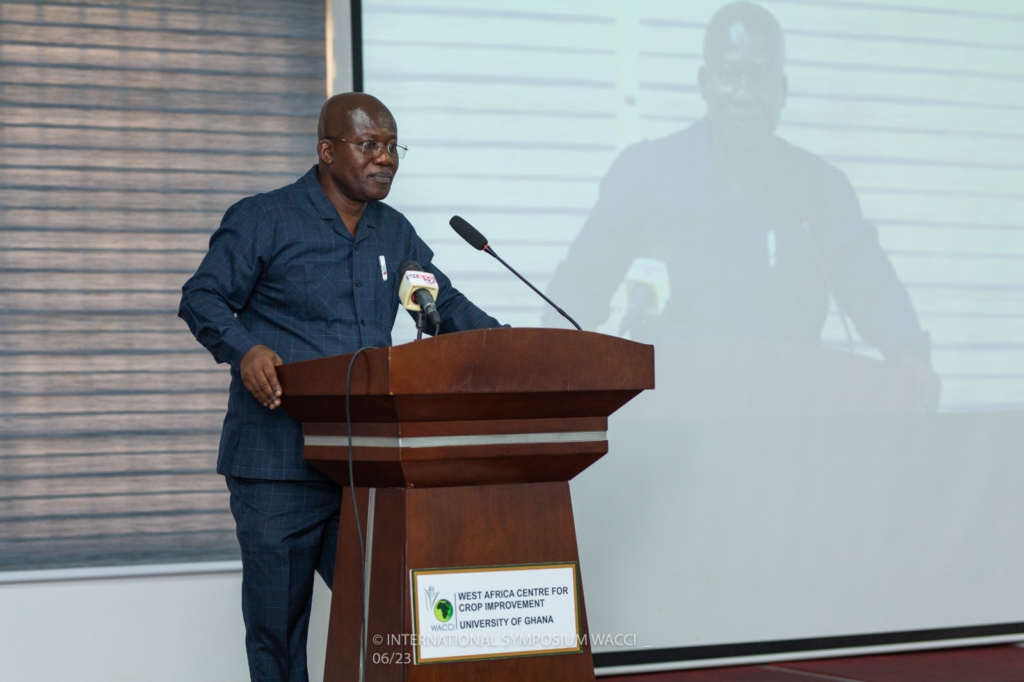
“Let us embrace this journey of discovery and collaboration for groundbreaking advancements that can help shape the future of agriculture and secure a sustainable future for generations yet to come,” he said.
The country lead of Alliance for Science Ghana Joseph Opoku Gakpo said Africa needs all ‘hands on deck’ to deal with the hunger and food insecurity challenge.
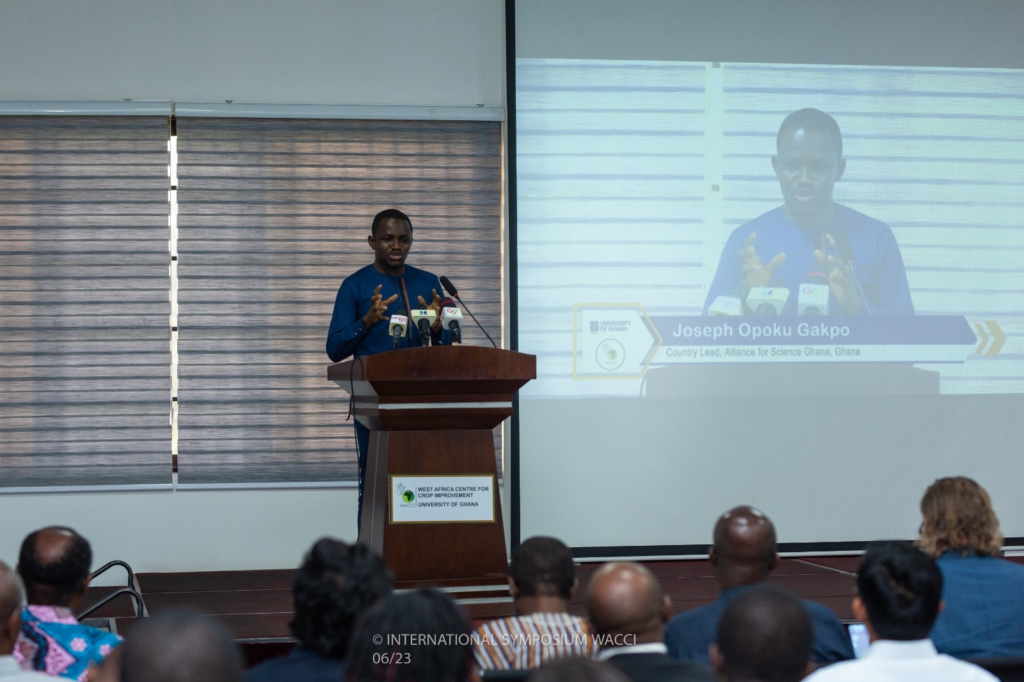
“Africa’s hunger burden is twice that of Asia, two and half times that of Latin America and the Caribbean, four times that of the Oceania region, and about eight times that of Northern America/Europe.
"The hunger burden in Africa is higher than in any other continent in the world and the African situation deserves urgent and special attention. So, we need all the solutions we can lay hands on,” he said.
Latest Stories
-
AK24 Entertainment wins Event Promoter of the Year at Ghana Entertainment Awards USA 2026
1 minute -
KNUST, UNCDF host EU Ambassador to advance EU Pact for skills development initiative agenda
2 minutes -
Teachers’ strike: School in Wa turns ghost town; pupils forced onto ‘virtual holiday’
4 minutes -
Gov’t should not see bipartisan probe into 3.9-tonne cocaine haul as attack – Akuapem North MP
16 minutes -
The foundation of every boy’s upbringing is important – Kobby Kyei
18 minutes -
Middle East conflict pushed Ghana fuel prices higher in first half of 2026 – COMAC
24 minutes -
President Mahama puts mining firms on notice over 2030 raw mineral ore export ban
26 minutes -
Ghana’s fuel consumption rises 12.24% to 4.06 billion litres in first half of 2026
26 minutes -
Global oil shock tests Ghana’s shift towards domestic fuel production
30 minutes -
Roads Ministry threatens legal action against utility companies over excavation of completed roads
31 minutes -
Mammography available in only 5 regions, making breast cancer screening difficult – Radiologist
41 minutes -
Pastor Daniel Amoateng pays for release of 23 Nsawam prison inmates
43 minutes -
Government to equip health facilities with mammography, radiotherapy machines – Deputy Health Minister
45 minutes -
Floodwaters recede in Hohoe as residents begin returning home – NADMO
57 minutes -
Celine Dion kicks off Paris Fashion Week with surprise performance
57 minutes