

Audio By Carbonatix
Minister for Health Kwabena Mintah Akandoh has urged Boards of health institutions to respect the boundaries of their oversight responsibilities and avoid interfering in the day-to-day administration of the institutions they supervise.
He said a clear separation between governance and management was essential to preventing institutional conflicts, improving accountability and ensuring that health agencies operated efficiently.
“The day-to-day running of the institution is not the responsibility of the Board or Board members,” Mr Akandoh stated.
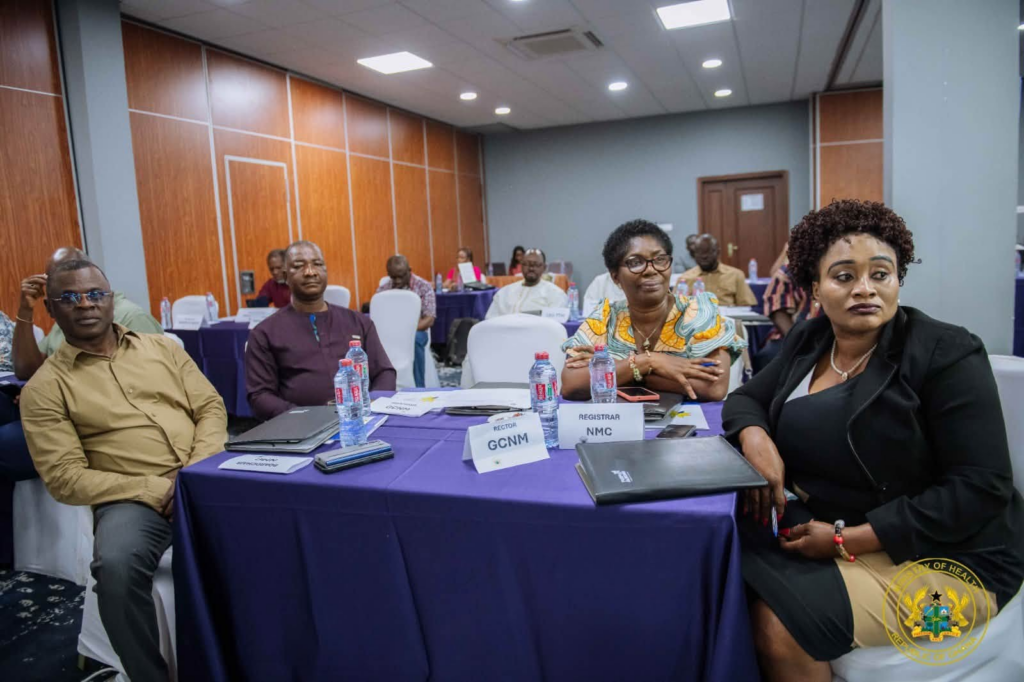
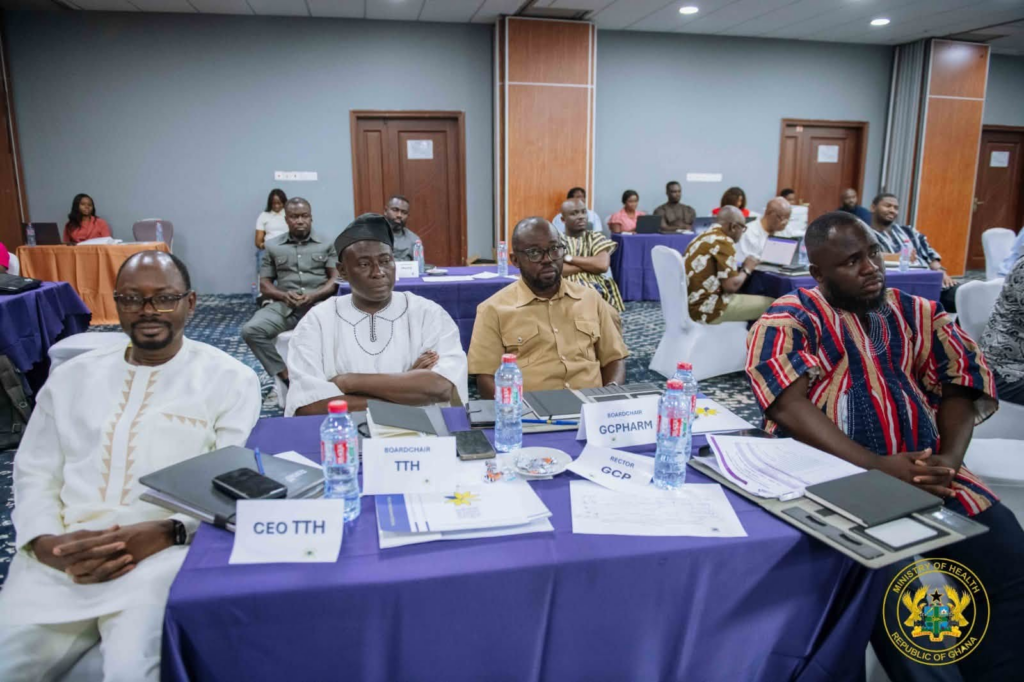
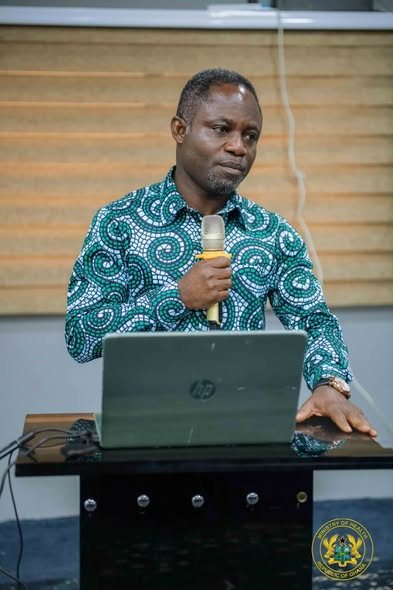
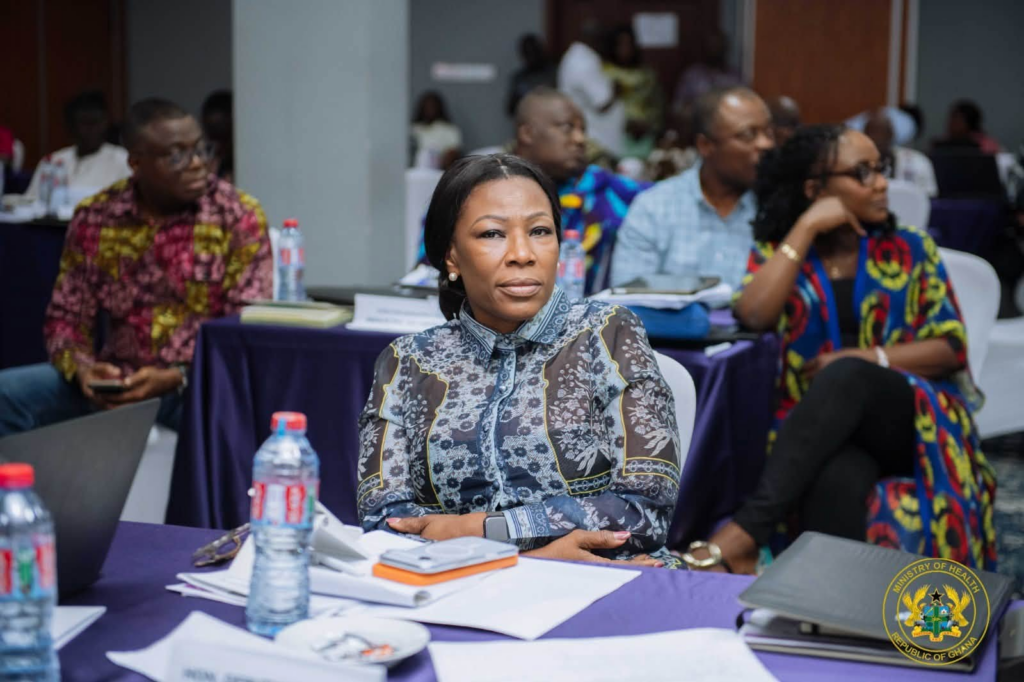
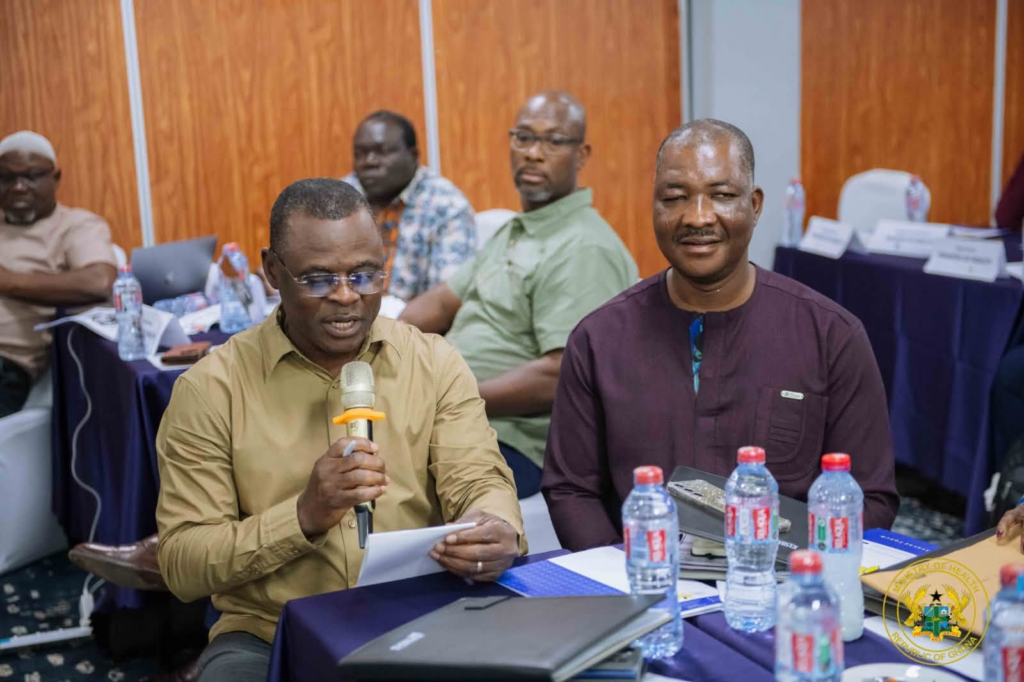
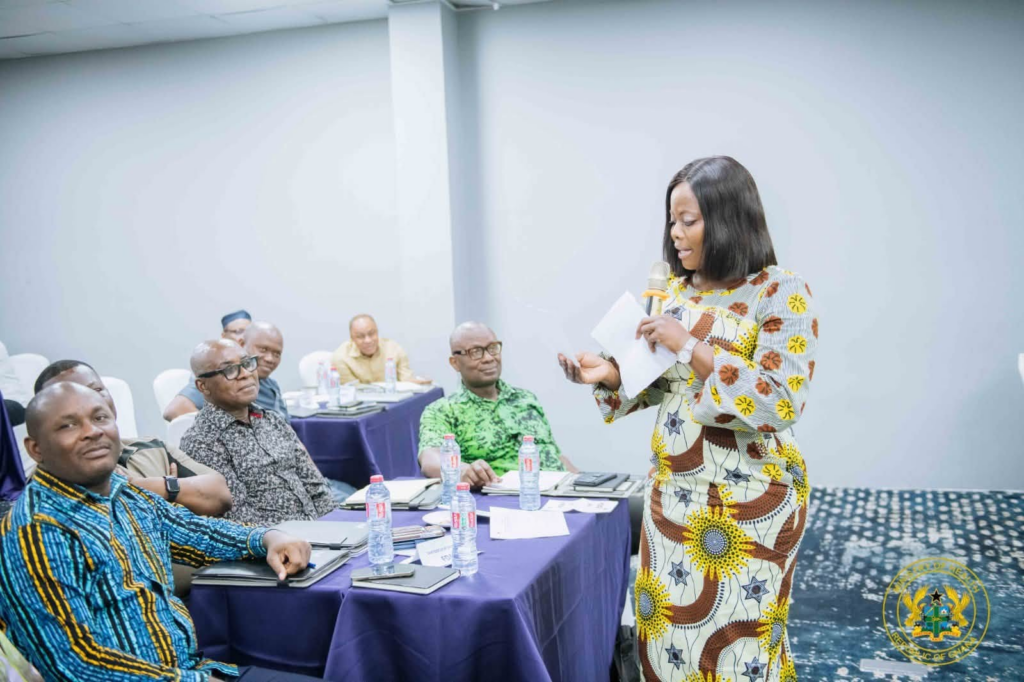
According to a statement issued on Sunday, August 16, the Minister made the remarks on the second day of the Ministry of Health’s High-Level Mid-Year Review Retreat in Ho, where participants are undergoing training on corporate governance and the role of Boards in public health institutions.
The training forms part of efforts to strengthen governance structures within the health sector and ensure that Boards and management teams understand the limits and responsibilities attached to their respective positions.
Mr Akandoh said effective governance depended largely on ensuring that Boards and Chief Executive Officers (CEOs) performed distinct but complementary functions.
While Boards have an oversight responsibility, he stressed that they should not take over the administrative functions of management.
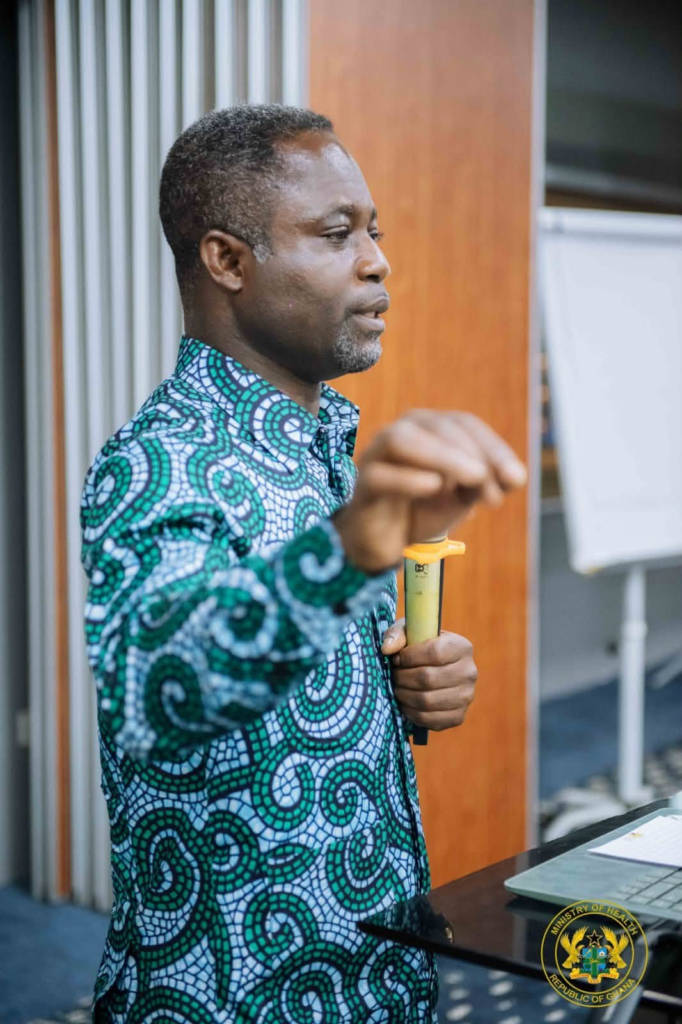
He said a proper understanding of these responsibilities would help prevent unnecessary interference in the daily operations of health institutions and allow management teams to carry out their duties effectively.
The Minister said clearly defined roles would also make it easier to hold institutional leaders accountable for their decisions and performance.
He encouraged participants at the retreat to use the governance training to gain a practical understanding of the responsibilities attached to their respective offices.
According to him, institutional effectiveness could be undermined when governance structures were not properly understood or when individuals assumed responsibilities outside their mandates.
Mr Akandoh also placed strong emphasis on the relationship between good governance and prudent management of public resources.
He said effective governance was necessary to ensure that state resources were deployed in ways that directly contributed to improving the well-being of Ghanaians.
He therefore urged health institutions to exercise greater caution in approving and undertaking expenditure, particularly in areas such as seminars, training programmes and official travel.
The Minister said spending decisions must take account of Ghana’s resource constraints and should be guided by necessity, efficiency and the expected benefit to the health sector.
His call comes as public institutions face increasing pressure to demonstrate value for money and ensure that limited resources are directed towards priority areas.
Mr Akandoh indicated that good governance should therefore extend beyond institutional structures and policies to include responsible financial decision-making.
The Health Minister also reaffirmed his commitment to ensuring that health agencies have the necessary Legislative Instruments (LIs) to guide their operations and strengthen governance.
He said appropriate legal frameworks were important for providing clarity on the mandate, responsibilities and operational structures of health institutions.
The Minister's emphasis on LIs reflects his broader focus on establishing clearer governance arrangements within health agencies and ensuring that institutions operate within defined legal and administrative frameworks.
He said stronger governance structures would help institutions avoid practices that could result in infractions while promoting greater accountability.
Mr Akandoh said the corporate governance training was intended to equip participants with the knowledge required to identify potential governance challenges and avoid institutional infractions.
He said participants should leave the session with a stronger understanding of how Boards should function, how management should operate and how both sides could work together without compromising their respective mandates.
The Minister encouraged participants to actively contribute to the training rather than treating it as a routine administrative exercise.
He said a meaningful understanding of governance principles would support better decision-making and help health institutions improve accountability and management.
The retreat therefore provides a platform for officials and stakeholders within the health sector to reflect on institutional performance while strengthening the governance systems that underpin the management of public health agencies.
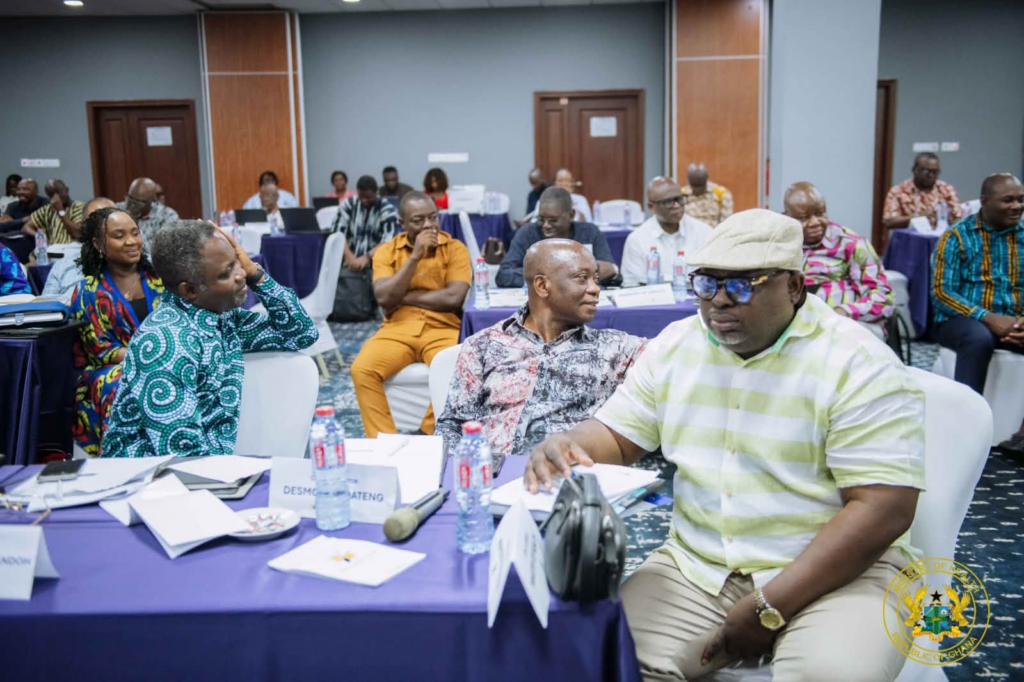
Mr Akandoh maintained that clearly defined responsibilities, prudent use of public resources and adherence to established governance principles were essential to ensuring that health institutions remained focused on their core mandate of serving the Ghanaian population.
He urged participants to apply the lessons from the training in their respective institutions and ensure that governance arrangements translate into more accountable and effective management across the health sector.
Latest Stories
-
Drug cartels may be seeing Ghana as easy route – Lenin Anane Agyei
15 minutes -
Ghana risks gaining notoriety as drug-trafficking hub – Bobby Banson
24 minutes -
Government dismissed my drug trafficking warning, then tried to arrest me – Ntim Fordjour
27 minutes -
Day Two: 3rd Republic Bank-JoyNews Habitat Fair Clinic underway at Junction Mall
27 minutes -
NACOC addressing inherited gaps in fight against drug trafficking – Deputy Director-General
39 minutes -
Taekwondo goes to school as GTF launches five-region youth campaign
42 minutes -
The issues Mourinho is struggling to fix at Real Madrid
49 minutes -
Hundreds throng EducationUSA College Fair in Kumasi in pursuit of abroad studies
51 minutes -
Drug bust: NACOC should be part of port inspection team – Twum-Barimah
54 minutes -
Ward appointed Liverpool’s sporting director
55 minutes -
This isn’t the first cocaine bust; NPP must stop the politicisation – NACOC deputy boss
58 minutes -
Drug bust case: Only Customs officers, MPS officials in scanning room – NACOC
2 hours -
I don’t mind being insulted; I have a crocodile skin – President Mahama
2 hours -
Samson’s Take: Verify the badge – and verify the story
3 hours -
President Mahama explains why Ghana must rethink regulation of TikTok, other new media platforms
3 hours