


Audio By Carbonatix
Education Minister, Dr. Matthew Opoku Prempeh, has admitted having sleepless nights partly due to the many reforms he is leading in the sector.
The reforms span the government’s free SHS programme, double track system, developing new curriculum for basic schools as well as the introduction of teacher licensure examination.
But as Joy News Fostina Sarfo reports, Dr. Opoku Prempeh, speaking at the Jolly Phonics Conference in Accra Tuesday, told his audience that the enthusiasm in pursuit of the successful implementation of these reforms is depriving him of his beauty sleep.
Also known as "Napo," the Minister said President Nana Akufo-Addo invariably had a question for him regarding the policies being introduced in education anytime they met.
“The last time we met he said ‘What are you doing for teachers? NAPO if we don’t do something for teachers we won’t make headway o.' The next time he said ‘this language thing what is it about?’ The other time it was ‘this curriculum when are you going to finish?’”
The man trusted by the President to head that Ministry however, said despite the challenges, he is happy to lead the reforms in the sector and expressed the determination to see to the successful implementation.
“We have to do free SHS and now double track and we have to do tertiary education and opening it up for more people [students] especially the poor and vulnerable. Four big issues, it keeps me sleepless and I’m always awake,” he revealed.
Click audio attached to listen to the Education Minister:
Jolly Phonics is a fun and child-centred approach to teaching literacy through synthetic phonics.
With actions for each of the 42 letter sounds, the multi-sensory method is very motivating for children and teachers, who can see their students achieve.
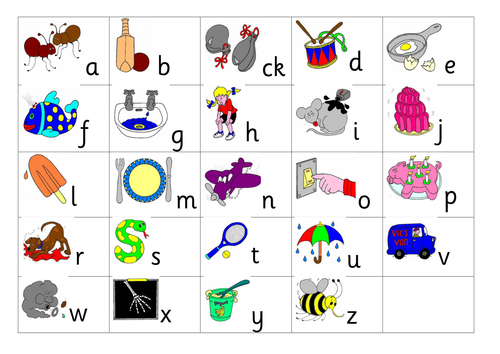
Government is set to roll out the new method in public basic schools across the country to improve the literary skills of children through the use of sounds.
This intervention comes on the back of a survey conducted by the Ghana Education Service which revealed only two percent of basic school pupils can fluently read and understand the English language, the medium in which they are taught.
Latest Stories
-
Baffour Awuah deliberately refused to honour EOCO invitation – Deputy AG, Srem-Sai
10 minutes -
‘Believe in these players’ – Carlos Queiroz tells Ghanaians after leaving Black Stars job
10 minutes -
ECG announces planned maintenance outage in parts of Accra on Friday
22 minutes -
Carlos Queiroz sacked as Black Stars head coach
29 minutes -
Parliamentary Sports Committee to ‘interrogate’ Black Stars struggles with Ministry, GFA invitations
38 minutes -
Asutifi North Police arrest 7 in crackdown on suspected drug activities
48 minutes -
Attijariwafa Bank: What to know about the Moroccan Group taking over SG Ghana
52 minutes -
University Librarians Ghana honours past leaders for distinguished service
58 minutes -
Seychelles President leads high-level dialogue on Africa’s digital future at FALS Global Conversations in New York
59 minutes -
24-hour economy requires faster justice for commercial cases – Chief of Staff
1 hour -
Five Agric Colleges receive digital tools to drive climate-smart farming
1 hour -
GPL 2026/27: Kotoko face Karela test as Hamza Obeng takes temporary charge
2 hours -
Morocco strike late to overcome 10-man Black Starlets
2 hours -
Nyaho-Tamakloe calls on Kurt Okraku to resign amid Black Stars struggles
2 hours -
Societe Generale Group agrees to sell Ghana subsidiary to Attijariwafa Bank
2 hours