

Audio By Carbonatix
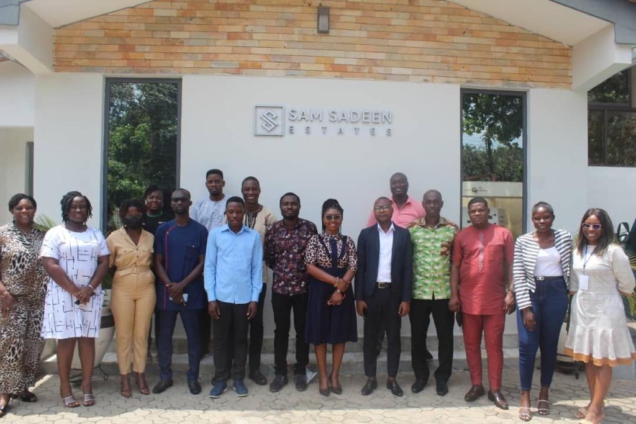
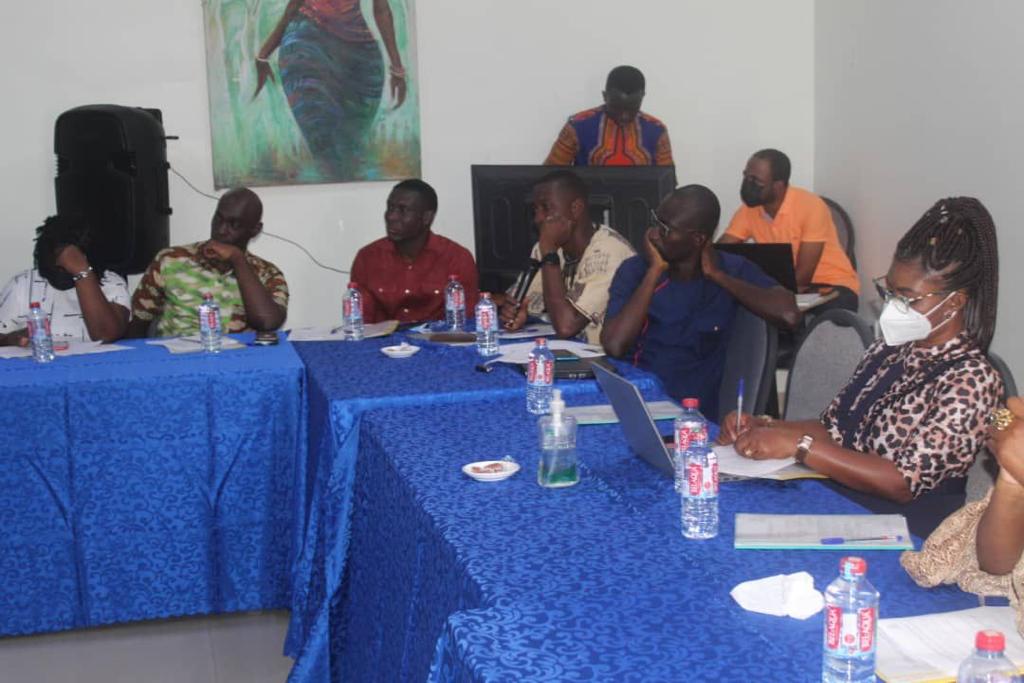
Stakeholders from governments, non-governmental organizations (NGOs), civil society and the private sector engaged in climate action in Ghana have held a one-day workshop to explore pathways and shared ambitions for advancing locally-led adaptation in Ghana.
The one-day workshop was organised by APRI-Africa Policy Research Institute (APRI), in collaboration with the Ghana Climate Innovation Centre (GCIC). It explored pathways through which locally-led adaptation can support Ghana’s Nationally Determined Contributions (NDC) and the country’s climate change adaptation planning.
In her opening remarks, Dr Grace Mbungu, the Head of the Climate Change Program at APRI stressed that locally-led climate adaptation initiatives are becoming important policy tools and approaches for making climate action more effective.
This is because individual farmers, households, and resource managers that are operating at the micro-level make most of the key landuse and resource allocation decisions to adapt to the threats and opportunities posed by a changing climate.
As such, climate adaptation actions risk being ineffective if they fail to be led by the views and priorities of the local stakeholders who influence land, water, and other resource use decisions.
“We need to learn from those who are at the forefront, dealing and coping with the effects of the climate crisis. The steps they take to deal with the day-to-day effects of climate change can and should inform policy and implantation strategies. Those actions that could be supported should also receive support,” Dr Mbungu said.
Rukayatu Sanusi, the Executive Director of the Ghana Climate Innovation Centre also highlighted the importance of the workshop.
She emphasised that Ghana is making some progress in formulating policies, strategies and projects to advance climate action, and it is important for the country to deepen learnings from initiatives on locally-led adaptation, to inform the country’s priorities advanced in the Nationally Determined Contributions (NDC) and the National Adaptation Framework.
In a short presentation made by Dr Albert Arhin, a Research Fellow at APRI, he showed that climate finance is not reaching the local level as expected.
This is because just about 3.5% out of the US$ 1.3 billion climate finance inflows to Ghana from 2011-2019 were spent on climate adaptation initiatives that supports local communities to adjust and respond to the harsh realities of climate change.
The workshop provided an opportunity for stakeholders to explore opportunities, barriers and constraints for accelerating locally-led climate adaptation in Ghana.
They further explored key priorities and entry points for advancing locally-led adaptation as a key component of Ghana’s Nationally Determined Contributions.
Latest Stories
-
‘I am disappointed’ – Yaw Ampofo Ankrah breaks silence after NSA suspension
12 minutes -
Douglas Boateng receives IMM Institute Supply Chain Lifetime Achievement Award
26 minutes -
Pentecost University to host international sustainability conference
57 minutes -
Ampofo Ankrah did not collect World Cup visa money – Lawyer
1 hour -
Baffour Awuah to spend night in EOCO custody – Atta Akyea
1 hour -
Torgbiga Wenya III opposes proposed elevation of 36 Anlo chiefs to Paramount status
1 hour -
The strengthening El Niño and what it could mean for Ghana
1 hour -
Baffour Awuah formally charged with money laundering, loss of public funds – Lawyer
1 hour -
Drone flight over EOCO building could attract 30-year jail term – Security consultant
1 hour -
Flying drone over EOCO premises is strictly prohibited – Security consultant
1 hour -
SIC file was surrendered to client, EOCO has no reason to search Manhyia South MP’s firm – Atta Akyea
2 hours -
EOCO search of Baffour Awuah’s law firm raises confidentiality concerns – Atta Akyea
2 hours -
“I will never ignore an invitation from EOCO if I had received one” — Manhyia MP
2 hours -
Baffour Awuah ready to cooperate fully with EOCO investigation – Bosome Freho MP
2 hours -
How a Ghanaian technology is helping fish farmers detect hidden threats before fish die
2 hours