

Audio By Carbonatix
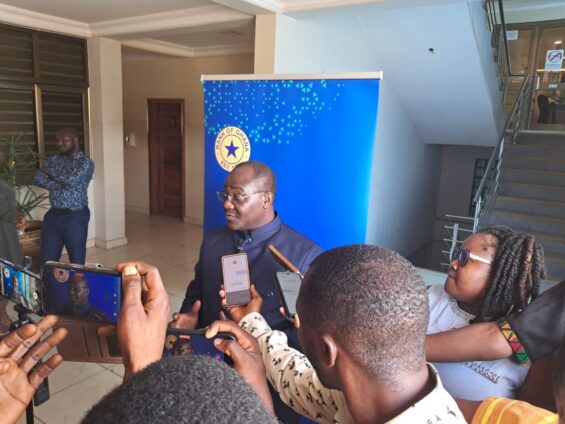
The Director of Communications at the Bank of Ghana, Bernard Otabil, has challenged journalists to play a more strategic role in enhancing public understanding of economic policies, warning that misinformation and inaccurate reporting can have far-reaching consequences for the economy.
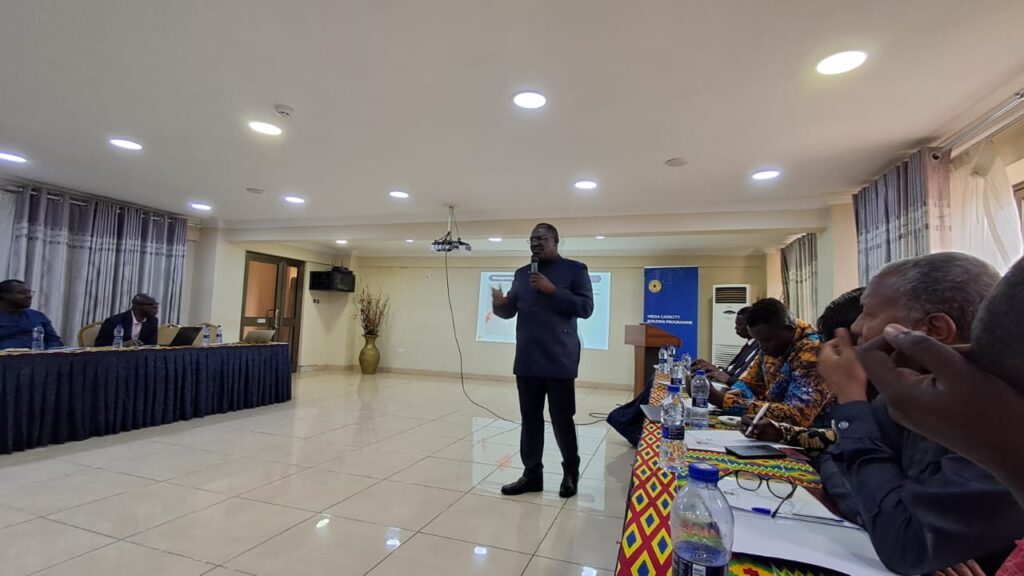
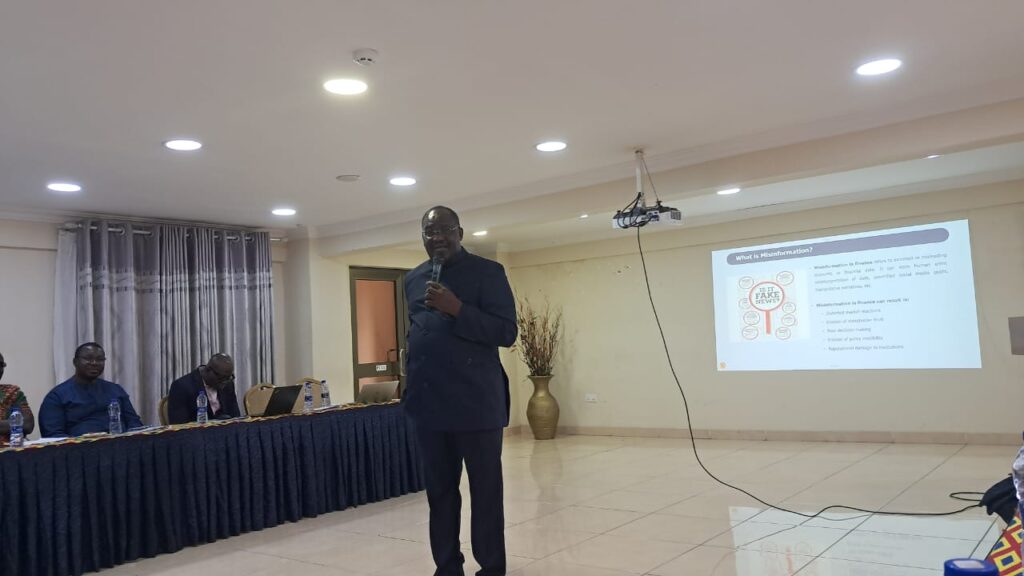
Speaking at the opening of a three-day media capacity-building programme in Koforidua, Mr Otabil said the success of the initiative would ultimately be measured by the quality, accuracy and depth of economic reporting produced by participants after the training.
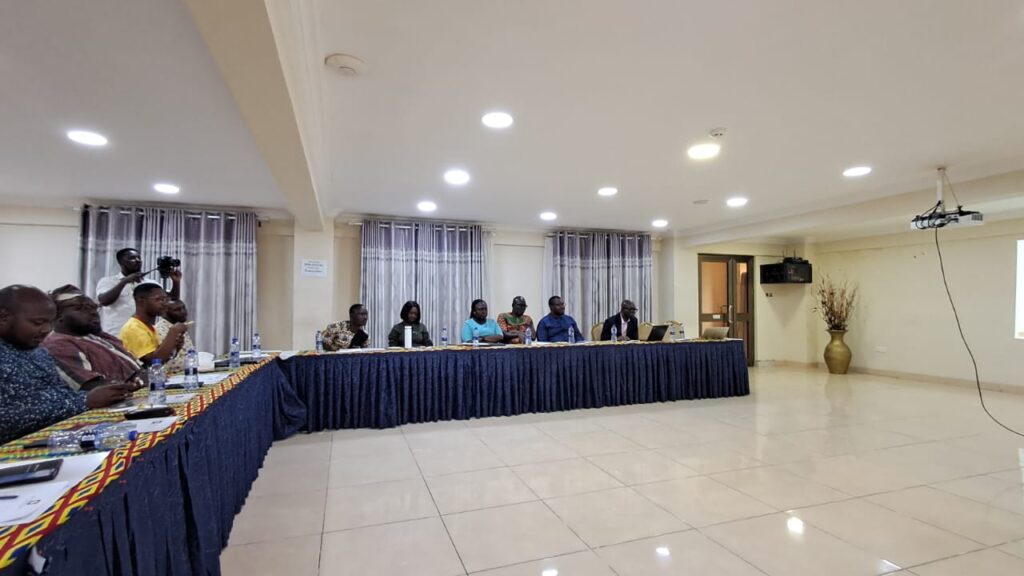
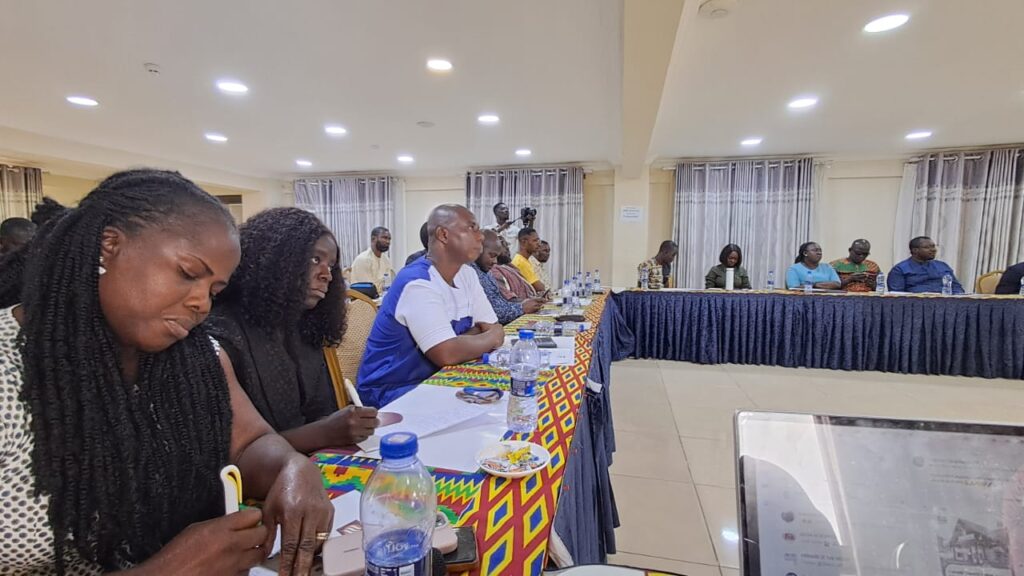
The programme, sponsored by the Bank of Ghana, brought together journalists from the Central, Volta, Eastern and Ashanti regions to deepen their understanding of monetary policy, financial markets, banking sector developments and responsible economic reporting.
According to Mr Otabil, the media serves as a vital bridge between economic policymakers and the public, making it imperative for journalists to report economic issues with accuracy, context and balance.
"How economic policies are understood, debated and reported ultimately shapes public confidence, investor sentiment and behaviour in the real sector. That is why the Bank of Ghana values partnerships such as this to ensure reporting on monetary policy, financial stability and the economy is accurate, contextual and solution-focused," he said.
Mr Otabil noted that Ghana's economy continues to demonstrate resilience despite both global and domestic challenges. He revealed that the Composite Index of Economic Activity expanded by 12.6 per cent in March 2026, while inflation remained relatively contained at 3.7 per cent.
He further disclosed that Ghana's gross international reserves currently stand at approximately US$14.4 billion, providing a significant buffer against external economic shocks.
While acknowledging the importance of economic data, he cautioned journalists against relying solely on headline figures without examining the human impact behind the statistics.
"Numbers alone do not tell the full story. Behind every statistic are people, livelihoods and businesses. The role of the media is to explain how policy decisions affect access to credit, the cost of doing business, employment and household welfare," he stated.
Mr Otabil also encouraged journalists to go beyond reporting economic challenges by highlighting opportunities emerging in key sectors such as agriculture, manufacturing and exports.
He expressed particular concern about the growing threat of misinformation and disinformation, describing it as one of the most significant challenges facing communication professionals today.
"If you ask me what keeps me awake at night as Communications Director, I will tell you it is misinformation and disinformation. Every day, we find ourselves correcting false narratives and fake news that can mislead the public and undermine confidence in the economy," he said.
He warned that inaccurate reporting on sensitive issues such as inflation, exchange rates and currency performance could trigger panic-driven decisions among businesses and individuals.
Using developments in the foreign exchange market as an example, Mr Otabil explained that speculative reporting can fuel unnecessary demand for foreign currencies, distort market behaviour and exacerbate economic pressures.
"When people hear unverified reports suggesting the cedi will sharply depreciate, they may rush to buy and hold foreign currency. When this behaviour is repeated by many people, individual decisions become collective panic, creating pressure on the market and affecting the wider economy," he cautioned.
Mr Otabil, therefore, urged journalists to rigorously verify information and avoid sensationalism, stressing that responsible reporting is essential to maintaining public confidence and economic stability.
Over the course of the training programme, participants are expected to engage with experts from various departments of the central bank on topics including monetary policy transmission mechanisms, banking sector operations, financial markets, exchange rate dynamics and ethical journalism practices.
Mr Otabil expressed optimism that the programme would equip journalists with the knowledge and tools required to report economic issues more effectively, enabling citizens to make informed decisions while strengthening trust in public institutions.
He concluded by thanking members of the media for their commitment to informing the public and called for stronger collaboration between journalists and policymakers in advancing Ghana's economic development agenda.
"The media has a powerful responsibility. Through accurate, balanced and responsible reporting, journalists can help build understanding, confidence and resilience within our economy," he added.
Latest Stories
-
T-bills auction: Demand improves as government exceeds target by about 76%; interest rates soften
4 minutes -
Ziope undertakes initiative to build a technologically inclined community, commissions self-help ICT lab
28 minutes -
ECG announces power outage in parts of Tema, Central Region due to network fault, maintenance
55 minutes -
When the Gospel Becomes a Weapon: The church, blackmail and the abuse of faith
1 hour -
JoyNews’ Jacqueline Ansomah Yeboah selected for UK Media Excellence for Emerging Technology Fellowship
2 hours -
Mental Health Alliance urges government to operationalise Mental Health Fund
2 hours -
Ghana–Holy See agreement heads to Parliament after Cabinet approval
2 hours -
Luv FM Corporate Games 2026: Kumasi Central Prisons, Amanfiman Bank win big amid fun
2 hours -
WAFU B U17: Ghana top Group A after win over Togo
3 hours -
Ho Central Mosque reopens amid unresolved leadership dispute that led to closure
4 hours -
Minority caucus questions GH¢16.4m in Ablakwa’s SA evacuation spending, demands independent audit
4 hours -
Gender Ministry meets Nana Akua Addo’s husband over domestic violence after hospital discharge
5 hours -
UG Vice-Chancellor urges swift operationalisation of National Research Fund
5 hours -
Pope Leo to have surgery after lump found in lung
5 hours -
Joseph Cudjoe writes: Ghana must break free from the dangerous mindset that natural resources are the foundation for wealth
6 hours