

Audio By Carbonatix
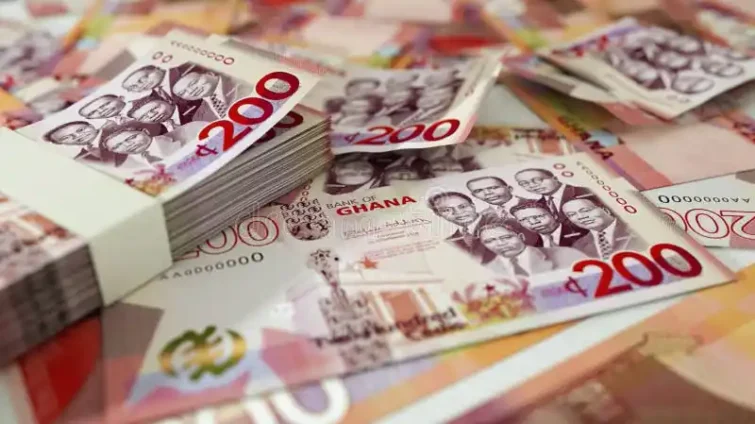
My bankers are cheating me. It costs them about ₵5 to transfer ₵10,000 for me — yet they charge ₵100. That extra ₵95 is not service; it’s daylight robbery dressed up as “bank charges.”
Percentage-based transfer fees are a scam. Processing ₵100 costs the same as processing ₵100,000. By taking a percentage, banks punish customers moving large sums, discourage digital transactions, and push people back to cash.
This robbery started with the E-Levy on 1 May 2022, when banks deducted 1.5% on transfers for the state. The rate dropped to 1% in January 2023. Then, on 1st January 2025, the tax was repealed — but the banks have since maintained the 1%, simply renaming it “processing fee”, “interoperability fee” or “service charge” and quietly pocketing it.
Other countries have faced this abuse — and killed it. In 2021, Kenya’s Central Bank capped mobile money and bank transfer fees, replacing percentages with flat or tiered rates.
On 1st January 2020, Nigeria’s Central Bank fixed electronic transfer charges, banning percentage deductions above set limits. In 2019, India’s Reserve Bank scrapped percentage-based fees for many digital transfers, replacing them with low flat charges to encourage cashless payments.
So why has Ghana embraced the very demon other nations have exorcised — and allowed it to possess our financial system?
The Bank of Ghana must act. Transfer fees should reflect real costs, not serve as a silent tax to fatten bank profits. A flat fee of ₵3–₵10 is more than enough. The rest is greed — and it must stop, from both the banks and the telcos.
Latest Stories
-
Education is critical to Ghana’s future and development – Haruna Iddrisu
6 minutes -
Who’s Emelia Affi Agbenyo, the 43-year-old newly sworn-in Deputy EC Chair?
39 minutes -
Haruna Iddrisu calls for limits on annual university accommodation fee increases
1 hour -
Today’s front pages: Tuesday, October 13, 2026
2 hours -
Wealth Over Water: How Galamsey Is Threatening Ghana’s Water Security
3 hours -
LA 2028: Black Queens pumped up for second leg of Mauritius tie
3 hours -
LA 2028: Black Queens hold final training session ahead of second leg against Mauritius
3 hours -
Standards are not Seasonal: What the EC appointments teach both sides
4 hours -
King Mohammed VI urges private sector to create youth jobs and spread benefits of growth
4 hours -
KGL U17 Colts 2026: Greater Accra win title after penalties win over Western Region
4 hours -
UK Investment Roadshow opens in London to advance UK-Ghana growth partnership
4 hours -
Assemblies of God requires pastors to resign before entering partisan politics – Rev. Wengam
4 hours -
Ghana targets 20% annual reduction in maternal deaths – Health Minister
4 hours -
Cyber attacks in Africa grow faster than global rate, report finds
4 hours -
Ghana signs UAE deal to create 5,000 overseas jobs
4 hours