

Audio By Carbonatix
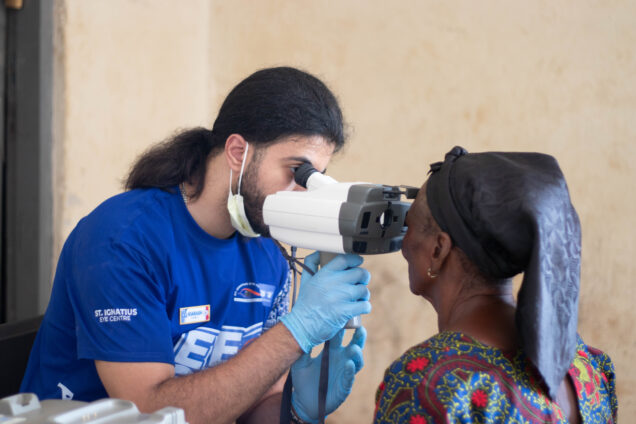
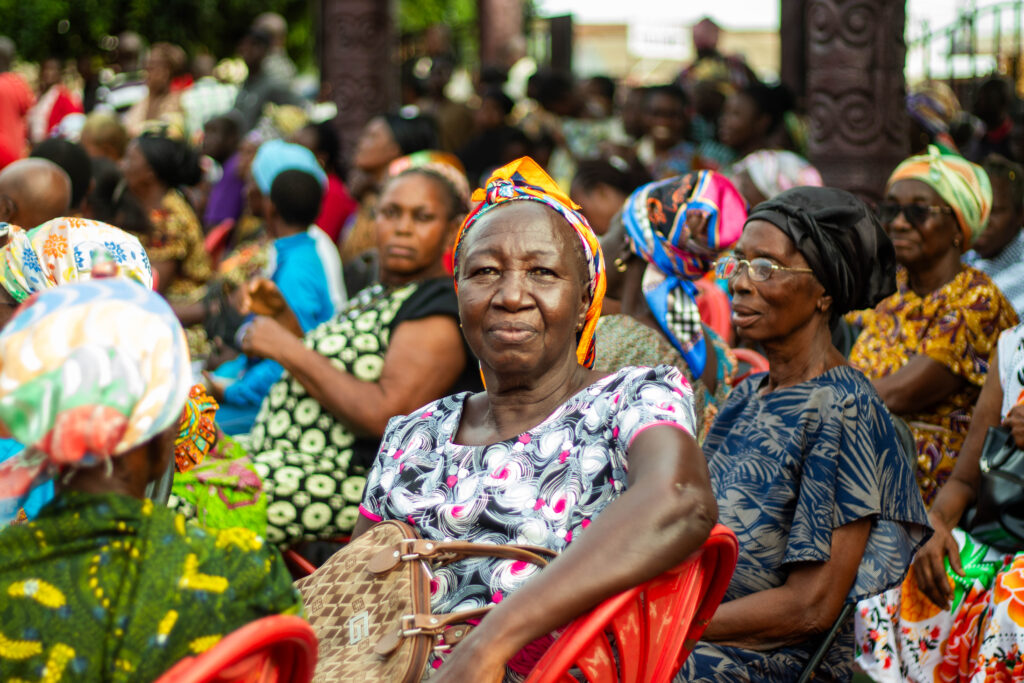
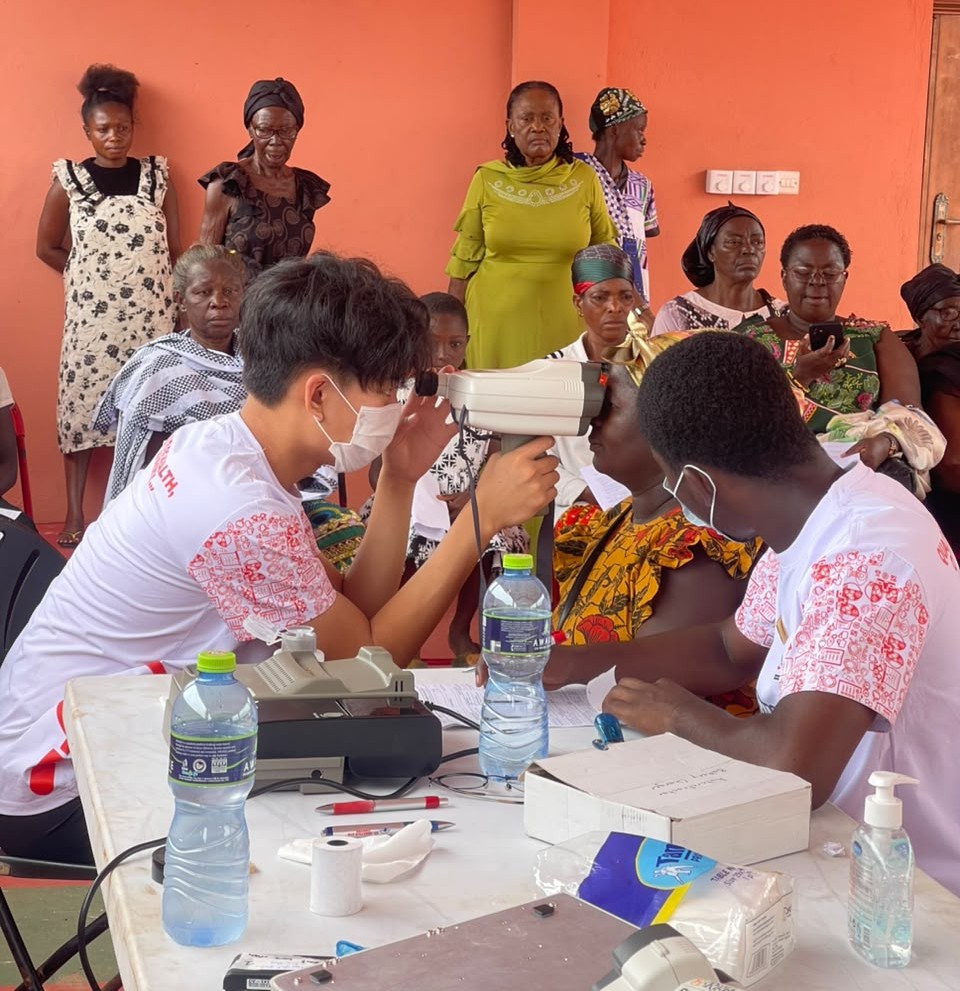
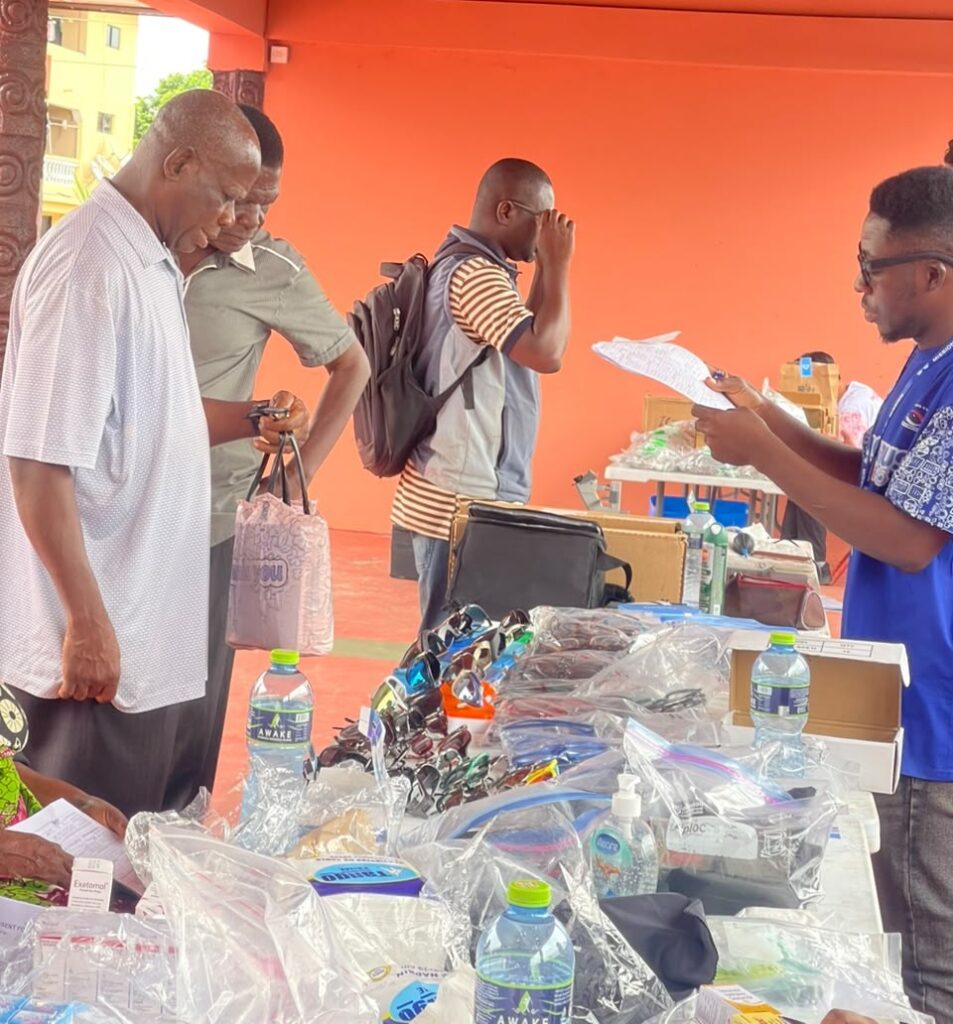
Calls are mounting for the National Health Insurance Scheme (NHIS) to extend coverage to prescription glasses and low-vision aids after a four-day free eye care outreach in Ghana’s Bono Region screened 867 people but was unable to attend to more than 500 others due to limited capacity.
The exercise, organised by the St. Ignatius Eye Centre in partnership with 20/20 Mission, brought renewed attention to the gap between eye care demand and access in underserved communities.
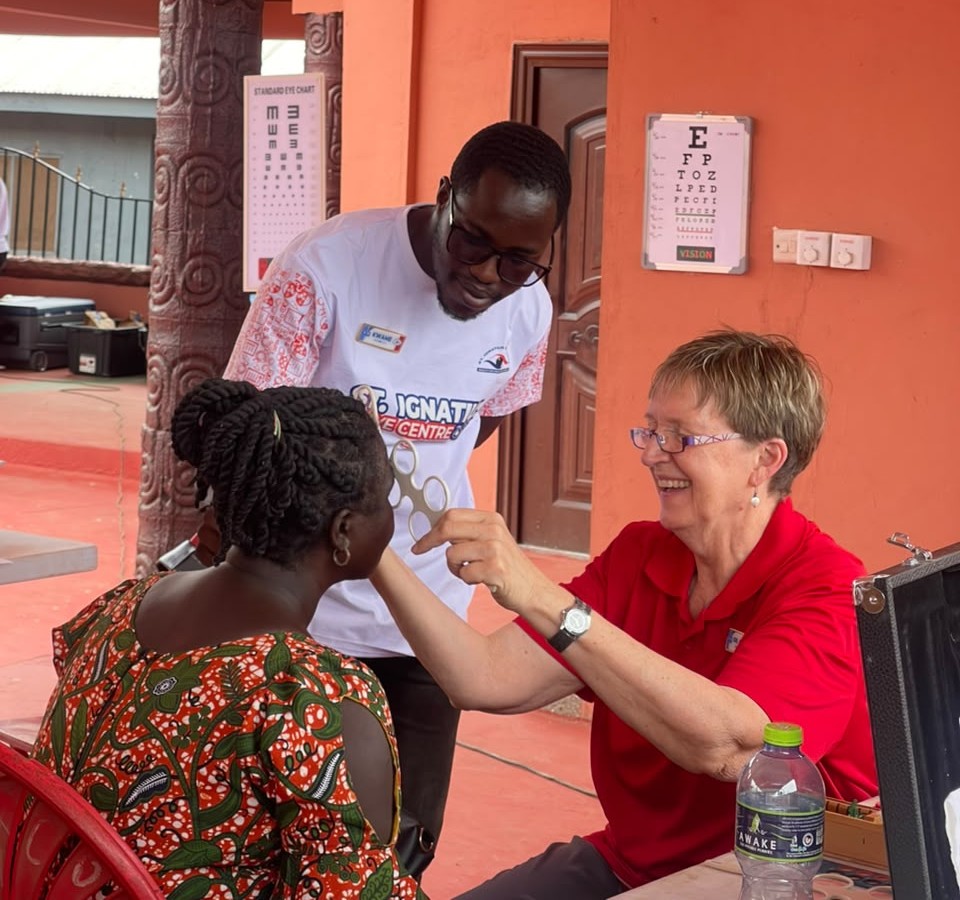
The outreach also benefited from donated eyeglasses and medical supplies from Rayjon Share Care and Restoring Vision. Over the four-day period, patients received free eye examinations, corrective lenses, medications, and referrals for advanced treatment.
Lead optometrist and project manager for the outreach, Dr Christian Ntsiful Anderson, also a Mastercard Foundation scholar at the University of Toronto, said the camp was structured around mass screening, early detection, and referral systems aimed at preventing avoidable blindness rather than simply treating walk-in cases.
He noted that most conditions identified, including uncorrected refractive errors, cataracts, and presbyopia, were highly treatable but often left unaddressed until they severely impaired vision.
He added that Ghanaian clinicians worked alongside visiting teams in a deliberately integrated model, with local professionals leading the process rather than foreign volunteers operating independently.
According to him, data gathered from the exercise will feed into Ghanaian-led research to guide future outreach programmes and strengthen advocacy for policy change.
He also pointed to a persistent shortage of eye care professionals in Ghana, noting that the country remains below the World Health Organisation’s recommended optometrist-to-population ratio, a gap that is more pronounced in rural areas.
That structural challenge, he said, is worsened by affordability barriers after diagnosis. The Chief Executive Officer of St. Ignatius Eye Centre, Dr Ignatius Yeboah, explained that while NHIS covers basic eye examinations, it does not cover spectacles or low-vision aids, forcing patients to pay out of pocket for essential corrective care.
“We can keep running camps, and we will. But camps treat the symptom temporarily. If we want to take the fight against preventable blindness in this country to the next level, the system has to change so that a prescription for glasses is something every Ghanaian can acquire without breaking the bank,” he said.
Organisers argue that expanding coverage is not only a health issue but also an economic one.
Global estimates from the World Health Organisation and related studies suggest vision impairment costs the global economy hundreds of billions of dollars annually in lost productivity, with most cases linked to preventable or treatable conditions.
They note that interventions such as corrective lenses and cataract surgery are among the most cost-effective in global healthcare, particularly in low- and middle-income countries.
St. Ignatius Eye Centre says the outreach is part of its broader commitment to strengthening eye care delivery in the Bono Region, with plans to expand future screenings, deepen partnerships with Ghanaian institutions, and support local research.
Organisers maintain that integrating corrective eyewear into NHIS coverage remains the single most important policy shift needed to bridge the country’s vision care gap and reduce preventable blindness.
Latest Stories
-
COCOBOD’S GH¢16.3bn SPV: Real progress toward a sustainable cocoa sector
15 minutes -
Ghana lose Morocco friendly as Atlas Lions turn to Mali
2 hours -
2026/2027 GPL: Kelvin Nkrumah strike sends Medeama top of league table
2 hours -
Emmanuel City crowned champions of maiden Global Game Scouting Tournament
2 hours -
Thomas Partey loses father Jacob Teye Partey
3 hours -
Martin Kpebu explains when EOCO can arrest Manhyia South MP after securing court warrant
3 hours -
EOCO’s reasons for seeking Manhyia South MP arrest warrant not justified – Kpebu
3 hours -
MTN Ghana warns SMEs against sharing PINs amid digital fraud risks
3 hours -
Yendi nursing students warn restricted access to skills lab could affect their training
3 hours -
Minority awaits formal notice of arrest warrant for Manhyia South MP – Annoh-Dompreh
3 hours -
LTIF announces 2026 Pan-African edition in Accra from October 6-7
3 hours -
Mfantsipim needs broader funding partnerships to bridge infrastructure gap – Prof Baiden
3 hours -
MP status must not shield anyone from law enforcement – Kwakye Ofosu
3 hours -
EOCO had tactical team ready to arrest Baffour Awuah – Felix Kwakye Ofosu
4 hours -
Afoko can unite NPP’s factions, says Charles Owusu Juanah
4 hours