

Audio By Carbonatix
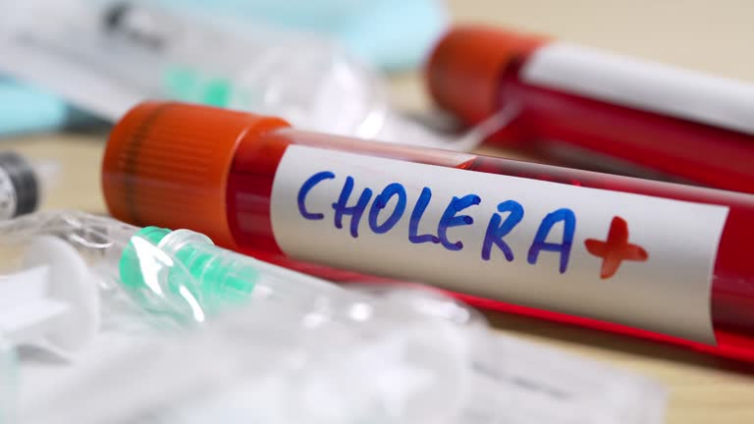
The Central Regional Health Directorate has launched an intensive public-education campaign urging stakeholders to strengthen cholera-prevention measures across the region.
The initiative targeted market women, traders, associations, food vendors, schools, communities, traditional and religious leaders with hygiene demonstrations, safe-water handling advice and prompt reporting mechanisms to nip potential outbreaks in the bud.
The exercise aimed to reduce cholera transmission by educating those who influence community behaviour and environmental conditions.
The stakeholders were to align resources, improves rapid response capacity and builds trust so communities adopt and sustain preventive behaviours, ultimately lowering cases and saving lives.
Dr Joseph Kizzie-Hayford, Deputy Director at the University of Cape Coast Hospital, who facilitated the engagement said it was prompted by the recurring cholera outbreaks, more urgently due to the recent floods in the region, which had devastating effects on residents, including loss of life.
He explained that cholera was a disease that caused diarrhoea, often described as cloudy “rice water.”
He said a person could contract cholera by swallowing cholera germs picked up from surfaces or objects contaminated with faeces or vomit from an infected person.
He added that key risk factors included contaminated water, poor sanitation and unsafe food practices.
Dr Kizzie-Hayford stressed that sustained public education remained essential to raising awareness of the risks and promoting simple preventive actions, such as drinking treated or boiled water, practicing good hand hygiene, using safe sanitation facilities and ensuring food was handled and cooked safely.
He warned that diarrhoea caused rapid loss of fluid and salts from the body causing severe dehydration that could lead to death within hours if not treated promptly.
On cholera prevention, he advised drinking and using only safe water from bottled water with an unbroken seal, water that has been boiled, or water treated with chlorine tablets like AquaTabs.
He advocated thorough hand hygiene by washing hands with soap and clean running water particularly after using the toilet, before preparing or eating food and after handling soiled items.
Foods like seafood and others must be thoroughly cooked, food must be eaten hot, and cooked food kept well covered and, where appropriate, fruits and vegetables before eating.
Dr Kizzie-Hayford, stressed the need to maintain a clean environment keep kitchens, bathing areas, and laundry areas clean, dispose of garbage promptly and protect water sources from contamination.
“Use latrines located at least 30 metres from water sources and ensure they are properly maintained,” he advised.
Also, he encouraged prompt reporting of diarrhoea illness for immediate treatment as early rehydration, medical care and vaccination could reduce transmission and save lives.
Contributing to the forum, some stakeholders including Mr Isaac Arkoh of the Ghana News Agency urged the GHS to intensify media reporting on cholera, promote inter-agency collaboration particularly between the Ghana Water Company and district assemblies to drive timely prevention and response.
Nana Yaw Kwarko Gyimah II, Ankobeahene of Assin Bereku, urged traditional and religious leaders to collaborate with the District Assemblies to mobilise community members to enforce sanitation bylaws and work with health teams and ensure clean water, proper waste disposal and rapid action when cases were reported.
Mr Abubakar Adams, speaking for Muslims in Agona West, called on religious and community leaders to model and teach handwashing, safe food handling, and keep the environment n good sanitary conditions.
Others largely encouraged hygiene at home, distribution of educational videos and reading materials and warned that cholera could be contracted within households so families must keep water and kitchens safe.
Latest Stories
-
Yaw Ampofo Ankrah hasn’t taken or received any money to facilitate visas – Lawyer insists
16 minutes -
World Cup visa scandal: Senyo Hosi urges focus on constitutional accountability
16 minutes -
La Beach demolition: Senyo Hosi condemns lack of consultation
27 minutes -
Russian glide bomb attack on Zaporizhzhia kills at least 15 people
42 minutes -
Jinapor warns underperforming energy sector CEOs of consequences, says no protection for failure
44 minutes -
Fire destroys head of tipper truck on Lower Volta Bridge
48 minutes -
Palmer signs new Chelsea contract until 2034
50 minutes -
World Cup visa scandal: Mahama will act on corruption allegations – Abass Nurudeen
52 minutes -
Abass Nurudeen accuses Minority of ‘scandal scavenging’ over World Cup visa controversy
53 minutes -
US Embassy recognised NSA, GFA and GTA as separate entities for visa applications – Sports Minister’s aide
60 minutes -
Only 30% of Ghanaian teachers satisfied with their jobs – CAPCOE data reveals
1 hour -
Communities affected by construction of Akosombo Dam urge government to speed up compensation process
2 hours -
World Cup visa scandal: Sports Ministry not shielding anyone – Sports Minister’s special aide
2 hours -
World Cup visa scandal: Over 30 people misrepresented as GTA board members to US Embassy – Vincent Assafuah alleges
2 hours -
Fire destroys wooden structure near Yesu Mo Villa at Bush Road
2 hours