

Audio By Carbonatix
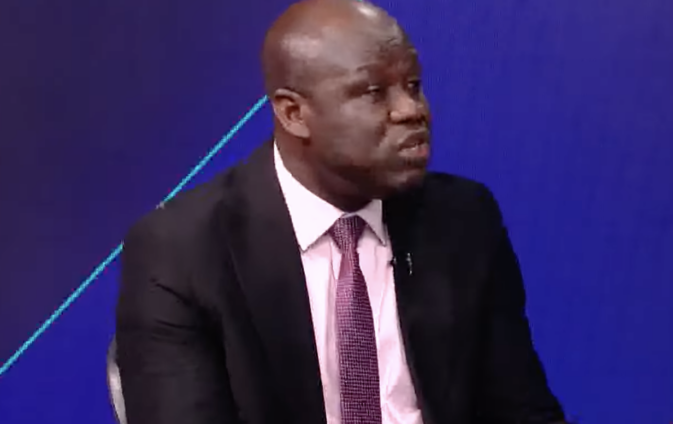
The CEO of the Ghana National Chamber of Commerce and Industry, Mark Badu-Aboagye, has emphasised the need for clear policy direction on generating revenue to address potential shortfalls from the promised tax cuts.
Speaking on Joy News’ PM Express, Business Edition, he cautioned against introducing new taxes and advocated for improved compliance and business support to drive revenue growth.
“In giving out all these promises of scrapping taxes, I haven’t heard a clear policy direction on how they are going to generate revenue.
"If taxes are removed without a strategy, we risk creating revenue holes that will push the government to resort to borrowing,” he warned.
Revenue Generation Without New Taxes
Mr Badu-Aboagye argued that the solution lies in better implementation of existing taxes rather than introducing new ones.
“For me, the taxes that are already there, if implemented well, and if businesses are supported to grow, compliance will increase, and we’ll generate a lot of revenue,” he noted.
He criticized the excessive tax burden on businesses, which he said stifles growth and reduces production capacity.
Sharing a real-world example, he described a business that had reduced production from 27,000 tons per month to just 300 tons due to high import duties and other taxes.
“GRA went to this company and asked why their tax revenue had gone down. The company told them, ‘This is what you have done to us.’ Now, they’ve laid off workers, and the revenue that should have come from 27,000 tons of production is gone,” he explained.
Supporting the Private Sector
Mr. Badu-Aboagye stressed the importance of supporting the private sector to ensure a steady revenue stream.
“No government will survive without supporting the private sector. If you need money, support the private sector; they will expand, and the taxes will come,” he said.
He urged the incoming government to focus on compliance and effective tax implementation rather than rates or the number of taxes.
“It’s not about the rate or the number of taxes; it’s about compliance and effectiveness,” he concluded.
Latest Stories
-
Stakeholders demand action against foreign-led illegal mining in Ahafo Region
1 hour -
Ghana handed tricky draw at 2026 Amputee World Cup
1 hour -
2024 Nyankpala election violence: Youth group petitions authorities over slow probe
1 hour -
Ghana, UNICEF strengthen partnership to advance child protection
2 hours -
Day Two of 3rd Republic Bank-JoyNews Habitat Fair ends with great homeownership offers and financing solutions
2 hours -
Guinness Ghana DJ Awards 2026 Pub Fest celebrates Ghana’s DJ culture as Accra turns up the energy
2 hours -
10th woman found dead in South Africa’s string of killings
2 hours -
French Embassy trains Ghana Police CTU in counter-terrorism operations
3 hours -
UPSA uncovers mass results manipulation involving 178 students, over 500 results compromised
3 hours -
ECG announces planned power outages in parts of Tema from Sept. 29 to October 1
4 hours -
Sylvester Mensah urges Latenu FM to promote trade, export opportunities in Ga
4 hours -
Ga language under threat of decline as children shy away from speaking it – Sylvester Mensah
4 hours -
‘Let every Ga child you raise know the Ga language and story’ – Sylvester Mensah
4 hours -
‘We are not deterred’ – Ablakwa responds to backlash over South Africa evacuation
4 hours -
Day Two: Republic Bank-JoyNews Habitat Fair gains momentum at Junction Mall
5 hours