

Audio By Carbonatix
The Chief Public Affairs, Communication and Sustainability Officer of Coca-Cola Beverages Africa (CCBA), Tshidi Ramogase says the company focuses its sustainability strategy on people and driving resilient, sustainable solutions to address current and future challenges while creating positive change for the planet.
He said water is a priority for the Coca-Cola system. “The Coca-Cola Company’s 2030 Water Security Strategy focuses on increasing water security.
"We work with partners to provide access to a steady supply of clean water for people and ecosystems in the areas where we operate and source ingredients,” Ramogase stated.
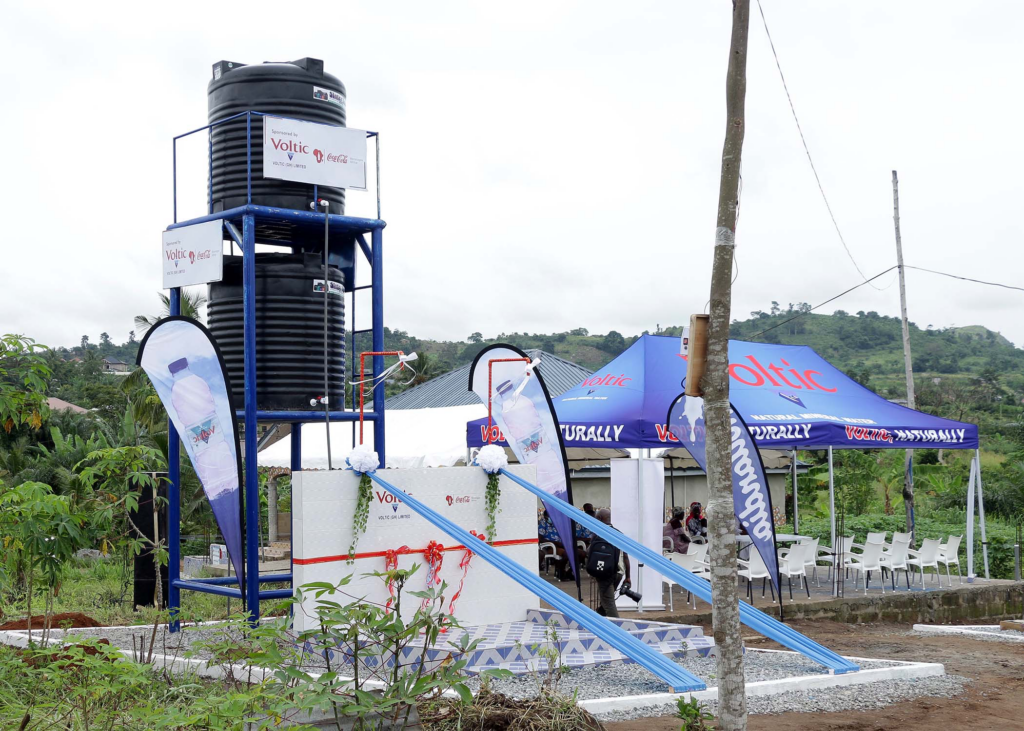
“We do that by contributing toward sustainable, clean water access that improves livelihoods and wellbeing while protecting against water-related disasters.”
In Kenya, CCBA opened a new wastewater treatment plant at the Equator Bottlers plant in Kisumu, promoting more sustainable water use and reducing the factory’s environmental impact.
“The new plant will enable us to treat and recycle wastewater generated from the production facility, which will be used for non-potable purposes such as irrigation and cleaning,” said Ramogase.
In Botswana, CCBA's subsidiary signed an agreement with the Botswana University of Agriculture and Natural Resources to donate water from its new water treatment plant for agricultural irrigation.
“The new state-of-the-art water treatment plant has made the company fully effluent compliant by ensuring that clean water is returned to the environment,” Ramogase noted.
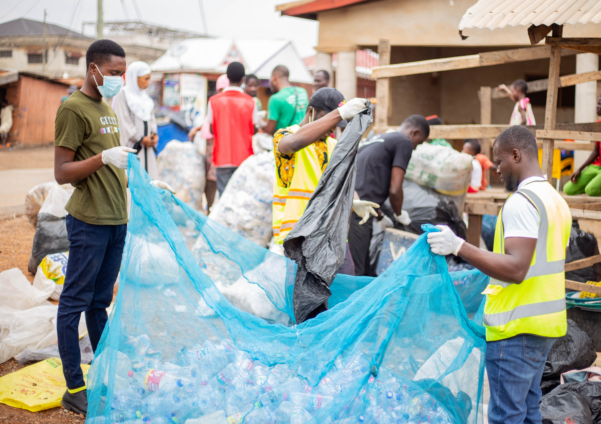
For packaging, CCBA drives a circular economy to reduce waste and carbon emissions.
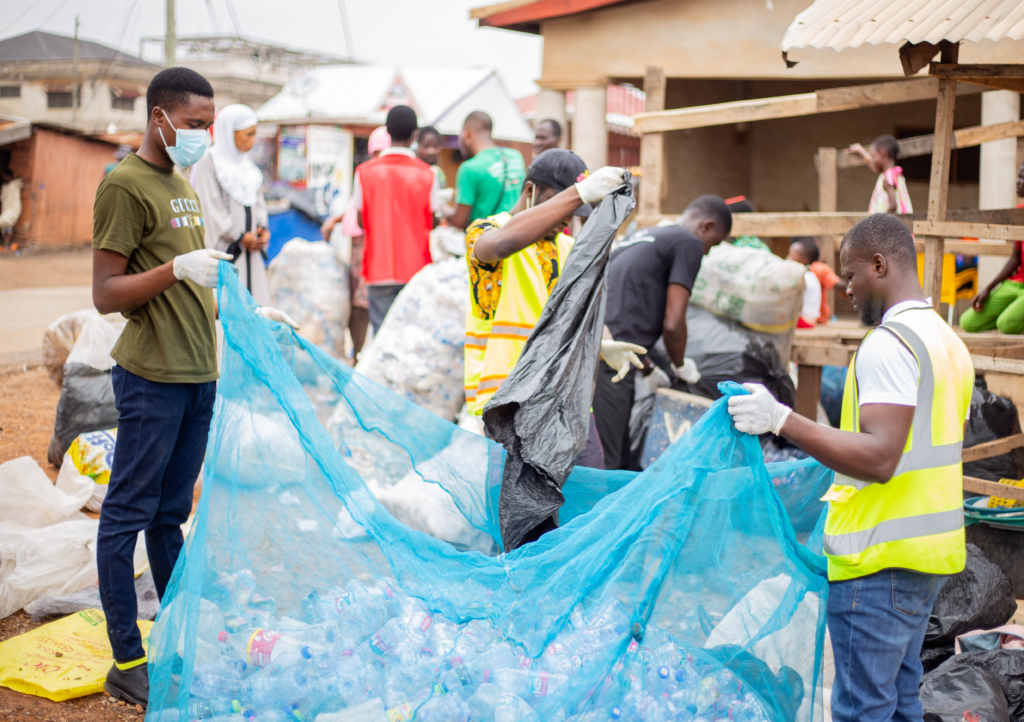
“We’re working to use more recycled content in our packaging, to expand our use of refillable bottles, and to collect packaging for recycling through Coca-Cola’s World Without Waste initiative. We also partner to design new packaging solutions,” Ramogase explained.
An example of these efforts is the PET Recycling Company (PETCO) in South Africa, established in 2004 to promote and regulate the recycling of PET plastic.
“The PETCO model has proven so effective it has been extended to three other markets, Kenya, Tanzania, and Ethiopia, with plans to include additional countries like Namibia,” Ramogase said.
“We are committed to fostering partnerships that drive collective impact in areas including water stewardship, packaging circularity, climate action, and many more. Feedback from our stakeholders allows us to learn and improve, and informs our business and sustainability strategy,” Ramogase concluded.
Latest Stories
-
Insults generally are not crimes, but some may be criminal under the law – Samson Lardy Anyenini
5 minutes -
IGP deploys specialised police team, armoured vehicle to strengthen security in Nkwanta
5 minutes -
Dr Bawumia advocates solar power, access to credit, training and certification for artisans
7 minutes -
Trade Minister engages Russia, UAE and UNDP to boost trade, investment
9 minutes -
7 best foods to help keep blood sugar levels steady
12 minutes -
Ghana to host signing of UN trade convention to modernise global cargo documentation on October 26
27 minutes -
Family announces memorial mass for Nana Konadu Agyeman-Rawlings
31 minutes -
Mahama, Trade Minister, tours Afienya and Tema factories, schedules meeting on Free Zones incentives
35 minutes -
Gyakie and FlipTheMusic unveil ‘Your Body’ following a new distribution deal with Warner Music Africa
37 minutes -
Stop looking down on new media practitioners as if they don’t matter – New Media President
38 minutes -
Ghana’s BRICS partnership bid aimed at broadening development opportunities – Mahama
43 minutes -
Fiabci-Ghana inaugurated to promote professionalism and global collaboration in real estate sector
1 hour -
‘No flying in just for matches’ – Kofi Adams sets conditions for next Black Stars coach
1 hour -
Ghana and BRICS: Strategic opportunity, economic imperative or geopolitical gamble?
1 hour -
SML vs GRA: Court grants preservation order in dispute over US$500 million investment
1 hour