

Audio By Carbonatix
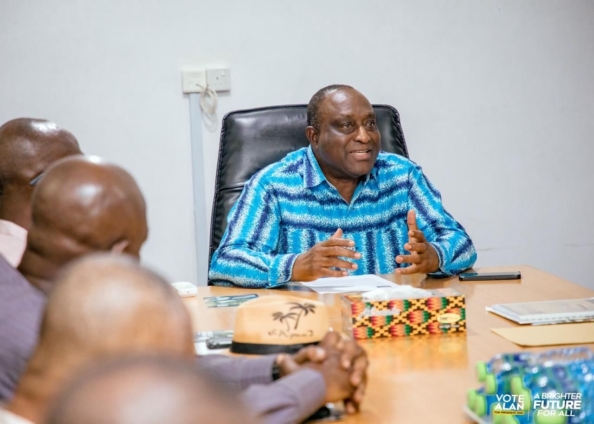
The leader of the Movement for Change, Alan Kwadwo Kyerematen, says the decision to close down Groupe Nduom Bank and other financial institutions was a failed government policy intervention.
He said since the Bank of Ghana (BoG), the regulator had advised the defunct bank to reclassify to become a savings and loan company, it was not necessary to have halted their operations.
The presidential candidate made the statements when the management of Groupe Nduom presented a petition to the political party saying that if elected as president, he would investigate the circumstances leading to the collapse of the bank.
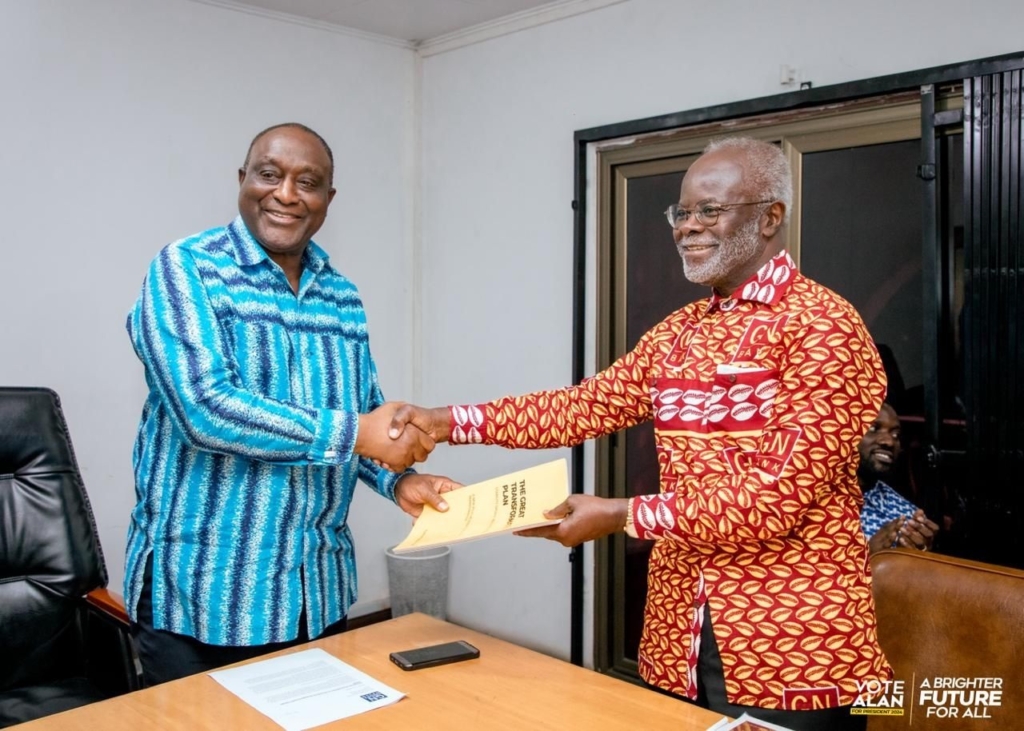
“In my own personal view, I think that the decision by the government to withdraw the licenses not only of GN Bank but of other Ghanaian-owned banks amounted to policy failure. It was a failed policy intervention for strategic reasons.
“Particularly in your case, if it were the view of the government at that time that there were infractions and ethical misconduct on the part of GN Bank, it would not have made sense for them to give you advice to request reclassification since you were still working within the context of certain rules and regulations in the financial sector. If the government asks the bank to reclassify, then it is difficult to withdraw their license after such consideration, “he said.
The presidential candidate also noted that the collapse of GN Bank and other financial institutions was a failed policy, and questioned why the government borrowed money to restore stability in the financial sector.
Mr Kyerematen said the collapse of GN Bank was a big loss to the country, owing to the financial institution’s resolve to increase financial inclusion and create jobs for Ghanaians.
He further assured the management of his ambition to make Ghana the financial hub of West Africa.
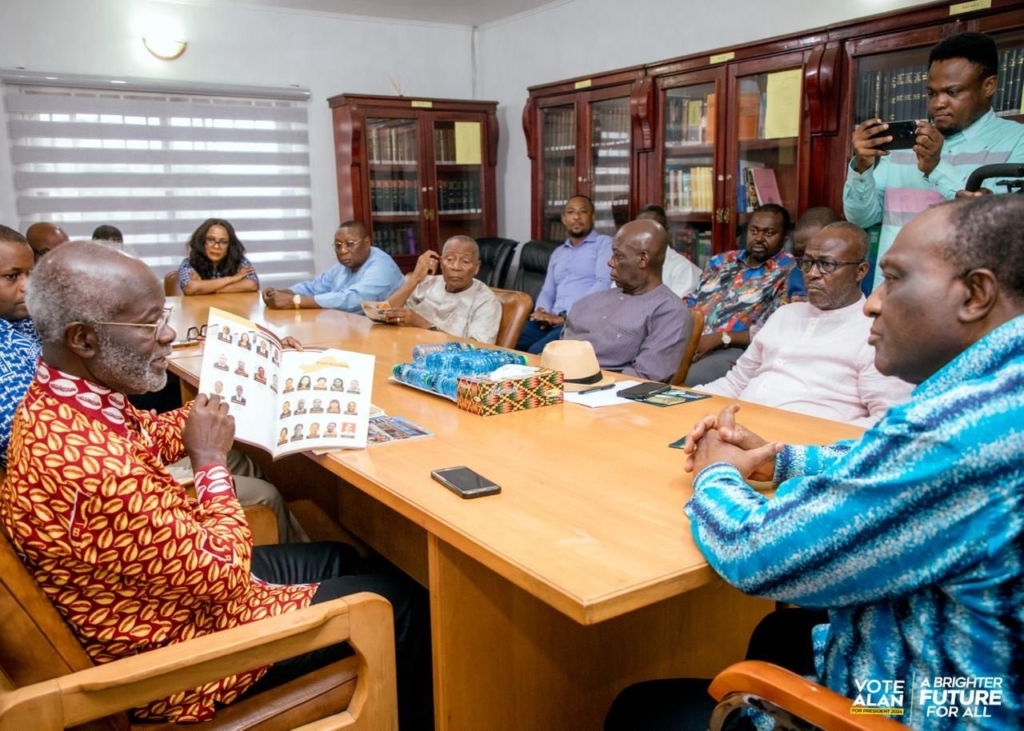
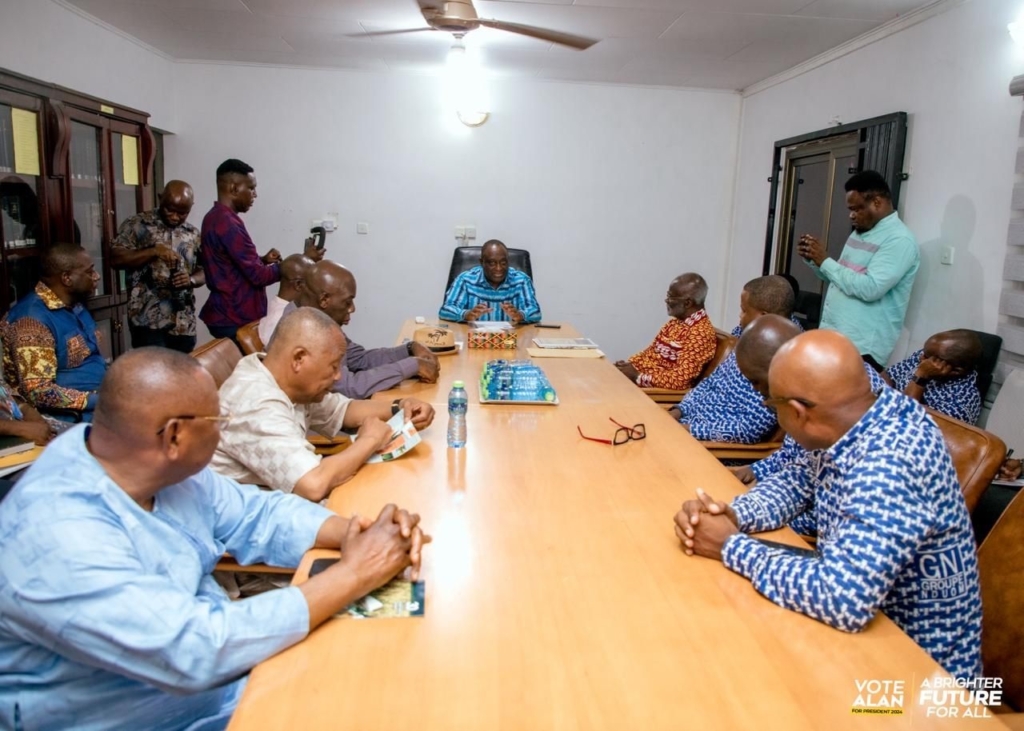
The presidential candidate was joined by senior officials of his party, notably Mr Nana Ohene Ntow, Mr Abubakar Siddique Boniface, and Mr Buabeng Asamoah, to engage the management of Groupe Nduom.
Chairman of Groupe Nduom, Dr Paa Kwesi Nduom, said "close-door" meetings with the government to pay its debts in order to address the liquidity challenges that occasioned the collapse of the bank had proved futile.
He added that the management of the defunct bank had continuously presented petitions to the relevant authorities, yet its request had not been heeded.

However, he was confident that the presidential candidate would restore the license of the bank when he is elected, owing to his determination to see the success of indigenous businesses.
He said the restoration of GN Bank’s license was critical due to the impact its absence had caused in the financial sector, especially in rural Ghana.
Latest Stories
-
GAEC must retain nuclear scientists for Ghana’s nuclear ambitions – Minister
15 minutes -
Man reportedly mistaken for game and shot by hunter dead in forest
17 minutes -
19-year-old mason jailed 15 years for defiling seven-year-old pupil
22 minutes -
Ghana’s banking sector assets rise 20.47% to GH¢500.2bn – BoG Governor
26 minutes -
22 injured as Sprinter bus overturns at Sege after tyre burst
27 minutes -
UN housing expert urges Ghana to strengthen Rent Control Department amid housing affordability concerns
36 minutes -
Delta-BCI partnership reaches 166,000 people with breast cancer education
45 minutes -
Power restoration fault suspected in Kumasi Central Market fire
6 hours -
The 7-foot giant of Ngleshie Amanfro: Seven-foot Ghanaian Ephraim Saawa dreams of joining the national basketball team
7 hours -
Government promises support for Kumasi Central Market fire victims
7 hours -
Vibes The Movie: Big Ghun’s Ghanaian film earns five nominations at 2026 REFFA
7 hours -
‘I’m a fulfilled man’—Justice Korbieh on missing out on Supreme Court despite two nominations
7 hours -
MamaCare CEO warns unresolved conflicts among health workers could undermine maternal and neonatal care
8 hours -
Health professionals urged to translate medical knowledge into practice to save mothers
8 hours -
Retired judge Justice Francis Korbieh charges 1,568 new lawyers to uphold integrity
9 hours