

Audio By Carbonatix
Nigerian students have been thrown off university courses and ordered to leave the UK after a currency crisis left them struggling to pay tuition fees on time.
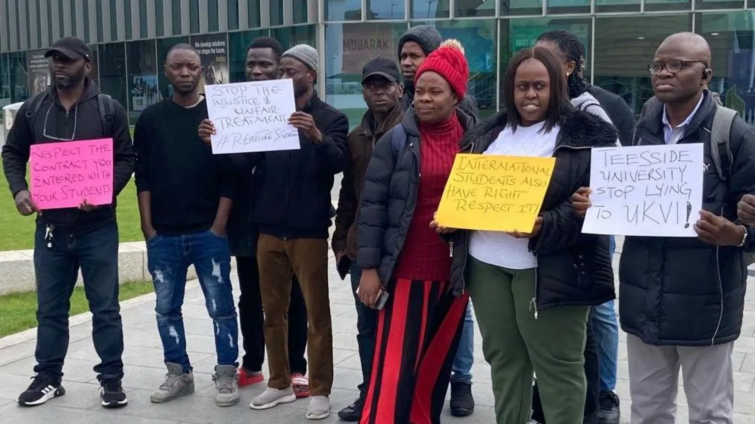
Teesside University students were blocked from their studies and reported to the Home Office after the value of Nigeria's naira plummeted, wiping out their savings.
Some told the BBC they felt suicidal as they accused the university of taking a "heartless" approach to those who fell into arrears as a consequence.
A university spokesman said failure to pay was a breach of visa sponsorship requirements, and that it had "no choice" but to alert the Home Office. The Home Office said visa sponsorship decisions rested with the institution.
Nigeria is currently experiencing its worst economic crisis in a generation, which is having a significant impact on Nigerian students at some UK universities.
Average inflation is almost 34%, and the situation deteriorated when the country's president attempted to replace old currency with new.
The currency subsequently depreciated by over 100% against the dollar in a year.
Before beginning their studies at Teesside, affected students were told they had to show proof of having enough funds to pay tuition fees and living expenses.
However, those funds were significantly depleted as a result of the crisis in their home country.
This exacerbated financial problems already being experienced by students as a result of the university changing tuition fee payment plans from seven instalments to three.
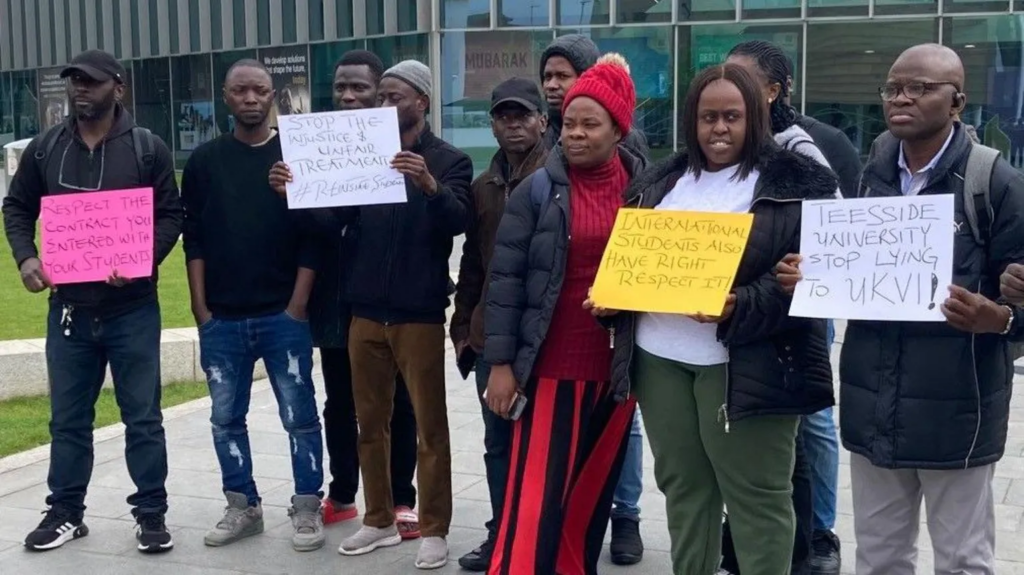
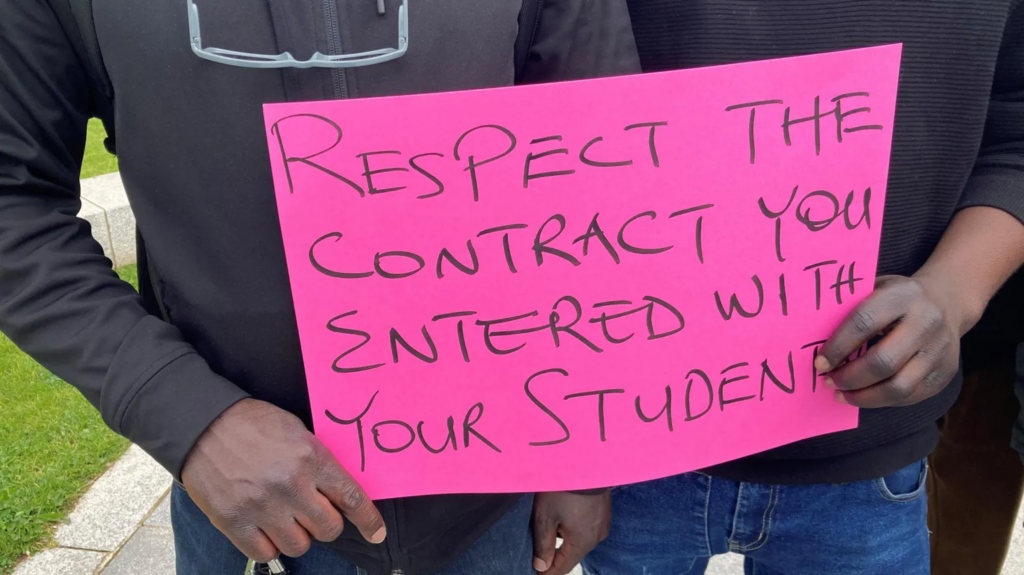
A group of students, 60 of whom shared their names with the BBC, began pressing the university for support after a number of people who defaulted on payments were frozen out of university accounts and involuntarily withdrawn from their courses.
Some were reportedly also contacted by debt collection agencies contracted by the university.
Adenike Ibrahim was close to handing in her dissertation at the end of two years of study when she missed one payment and was then kicked off her course and reported to the Home Office.
She subsequently paid the outstanding fees, but said she had not been re-enrolled and was told she must leave the country, along with her young son.
"I did default [on payments], but I'd already paid 90% of my tuition fees and I went to all of my classes," she said.
"I called them and asked to reach an agreement, but they do not care what happens to their students."
She said the experience was "horrendous" and she did not know what was happening with her qualification.
"It has been heartbreaking for my son especially, he has been in so much distress since I told him," Ms Ibrahim added.

No right of appeal
The Home Office told students, including Ms Ibrahim, that their permission to enter the UK had been cancelled because they stopped studying at the university.
The letters, seen by the BBC, offer a date by which the student must leave the country and say they do not have a "right of appeal or administrative review against the decision".
Since receiving his letter, one masters degree student - who did not want to be named - said he had seriously considered suicide and was not eating or drinking.
The university said it had made "every effort" to support affected students, who had now been offered individual meetings with specialist staff and bespoke payment plans where requested.
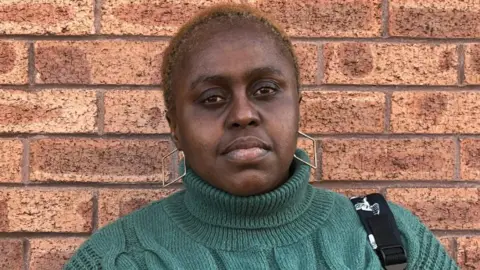
Esther Obigwe said she repeatedly tried to speak to the university about her financial struggles but received no response, until she too was blocked from her studies and received notice to leave the country.
"I attended all of my classes and seminars, I'm a hell of an active student," she said.
"It is disheartening, I am now on antidepressants and being here alone, I have nobody to talk to.
"For over two months, I've barely eaten or slept and I don't understand why this is being meted at us, we didn't do anything wrong."
She added that most of the students had "spent a lot of money to be here".
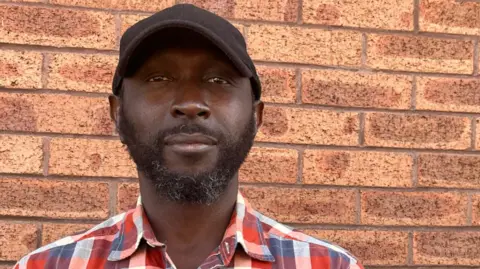
Jude Salubi, who was studying to be a social worker, was midway through a placement when he was told his access to the university was suspended and he would have to leave the country.
Prior to that, he travelled from Teesside to Liverpool each weekend to work 18 hours in an attempt to pay off the outstanding fees.
"As of now I have paid £14,000 and have a balance of £14,000," he said.
"I am willing to come to an agreement as to how I will make this payment, but I need guarantees that I will be re enrolled into school and my visa restored."
Some affected students have managed to pay off outstanding fees, but the university is now unable to intervene in the Home Office process, the BBC understands.
A university spokesman said: "Teesside University is proud to be a global institution with a diverse student population but is also very aware of its obligations regarding visa issuance and compliance.
"These strict external regulations ensure that the university fully supports a robust immigration system and is outside of the university’s control."
The spokesman added it was "aware of the challenging financial situation faced by some students" and had "actively offered bespoke payment plans where requested".
"This option has been taken up by many of our international students; however, some students have still defaulted on these revised payment plans," he said.
The Home Office said a decision to offer or withdraw visa sponsorship rested with the sponsoring institution.
A spokesman said wherever a visa was shortened or cancelled, individuals should "take steps to regularise their stay or make arrangements to leave the UK".
Latest Stories
-
Ghana’s Starlets step up training ahead of second friendly with Morocco
8 minutes -
COCOBOD says $1.4bn domestic funding is a strategic shift, not market exclusion
45 minutes -
Richmond Quarcoo appointed Ghana’s Chef de Mission for 2028 Olympics
1 hour -
‘Our missing players are more important’ – Gambia coach fires shot at Ghana
3 hours -
Today’s front pages: Tuesday, September 29, 2026
3 hours -
Ghana ‘showing up differently’ on global stage – Joyce Bawah Mogtari
3 hours -
Ghana’s tuna industry in crisis as 20 hook-and-line vessels collapse
4 hours -
South Tongu MP launches apprenticeship programme for 159 young people
4 hours -
The Pusiga connection behind Gertrude Atongi’s work in New York
4 hours -
Teachers took promotion exams in December to beat government clearance deadline – GNAT
4 hours -
NPA launches 2026 staff welfare week with focus on teamwork and employee wellbeing
5 hours -
Ghana, Saint Kitts and Nevis sign labour deal to strengthen protections for Ghanaian nurses
5 hours -
Delayed promotions put teachers’ retirement benefits at risk – GNAT
5 hours -
No ‘Bawumia candidates’ in NPP executive elections – Anthony Karbo
5 hours -
Over 3,000 displaced as flooding overwhelms Hohoe communities
5 hours