

Audio By Carbonatix
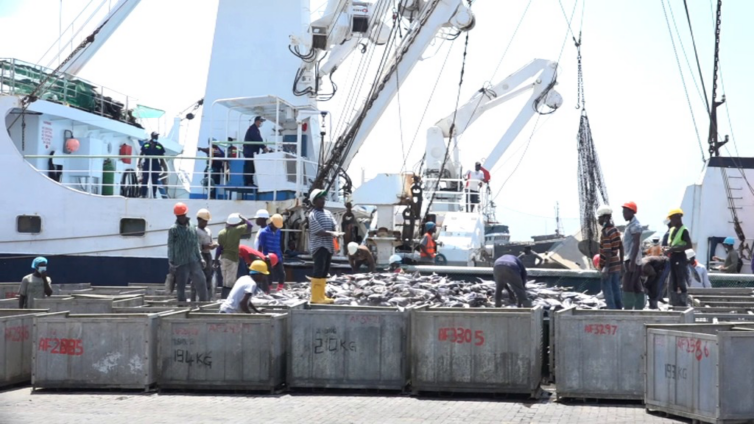
Ghana’s tuna industry is facing mounting operational pressures that have already wiped out its entire hook-and-line fleet, with escalating costs and gaps in local expertise threatening the survival of a vital part of the sector.
A member of the Tuna Association and Vice President of the National Fisheries Association of Ghana (NAFAG), Richster Amarh Amarfio, disclosed this in an interview with Joy Business in Tema.
He explained that Ghana is permitted 37 tuna vessels under the International Commission for the Conservation of Atlantic Tunas (ICCAT), the regional body responsible for managing tuna stocks in the Atlantic.
“Of the allocation, 17 vessels use purse seine nets, while 20 operate with the hook-and-line method. None of the 20 hook-and-line vessels is currently operational, leaving only the 17 purse seine vessels in active operation,” he said.
The collapse has consequences beyond fishing, with Ghana’s tuna fleet supplying fish to local processors including Pioneer Food Cannery and Cosmo Foods.

For those still operating, one of the biggest pressures is the cost of fuel.
According to him, tuna vessels do not enjoy the fuel support available to some other fishing operations and instead purchase fuel at the full market cost.
“With fuel currently costing about GH¢18 per litre, a vessel can require as much as 270,000 litres for a fishing trip, translating into millions of cedis in fuel expenditure alone,” he explained.
That burden is compounded by high labour and maintenance costs, as vessels and crew must meet international standards.
Ghana also relies heavily on foreign expertise because the country lacks enough specialised tuna-fishing personnel and the facilities needed to train them.
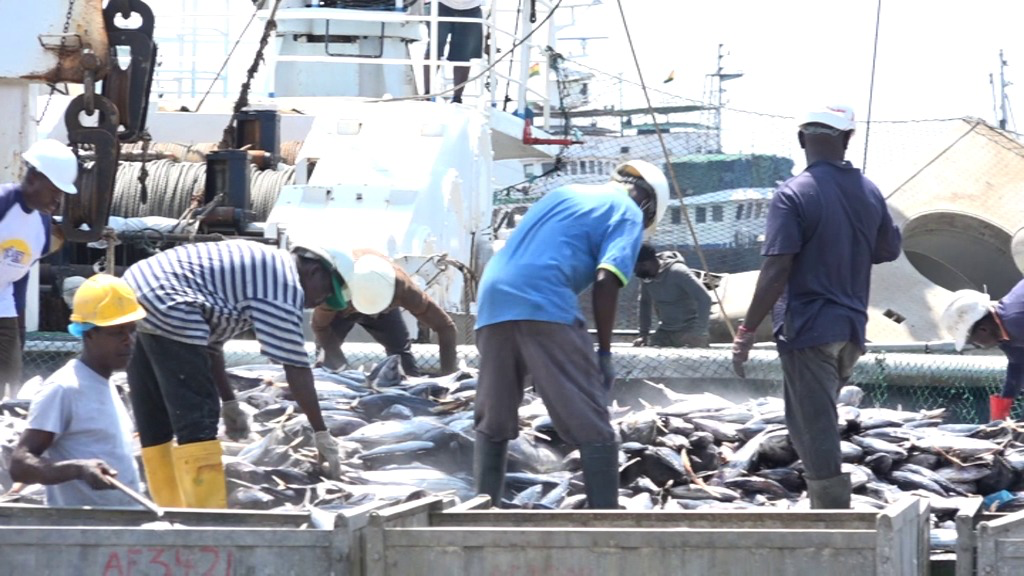
“All tuna vessel captains are currently Korean, and many are ageing, creating a growing need to develop a local pool of specialised crew,” he lamented.
Licensing costs have also surged, with vessel owners who previously paid US$35 per gross registered tonnage (GRT) now paying US$135 per GRT.
For a vessel measuring 1,000 GRT, that means a licence cost of US$135,000, up from US$35,000.
Port charges, meanwhile, are pegged to the US dollar, exposing fishing businesses to additional pressure whenever the exchange rate shifts.
Security has become another major expense, and following incidents involving armed attacks and hijacking threats at sea, vessels have had to carry armed naval personnel, with the companies bearing the cost.
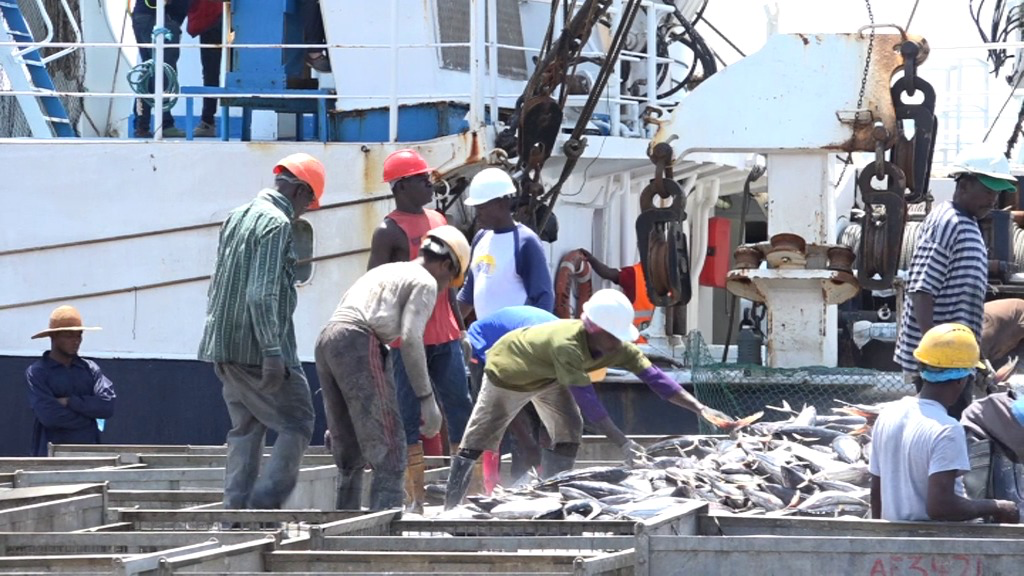
The collapse of the hook-and-line fleet is also linked to difficulties securing live anchovies, which are used as bait.
He explained that the vessels must quickly harvest the bait and store it in tanks before heading to tuna fishing grounds, but restrictions on the use of light as an aggregating device made that increasingly difficult.
“Restrictions on the use of light as an aggregating device made it harder for hook-and-line vessels to secure live bait, forcing some operators to spend up to two weeks searching for bait and another two weeks fishing, leaving little room to break even and contributing to the collapse of the entire fleet,” he said.

The pressure is further complicated by the fact that Ghanaian fishing businesses have little control over international tuna prices.
Although tuna prices have risen from about US$3,000-US$4,000 per tonne in 2016 to roughly US$24,000 currently, the sharp rise in operating costs has continued to squeeze margins.
Maintenance infrastructure presents another challenge, with vessels reportedly facing prolonged waits for dry-dock services, including periods of up to two years at the Port of Abidjan in Côte d’Ivoire.
The combined strain of ageing vessels and rising maintenance, fuel, labour, licensing, security and port costs is making it increasingly difficult for fishing businesses to remain viable.
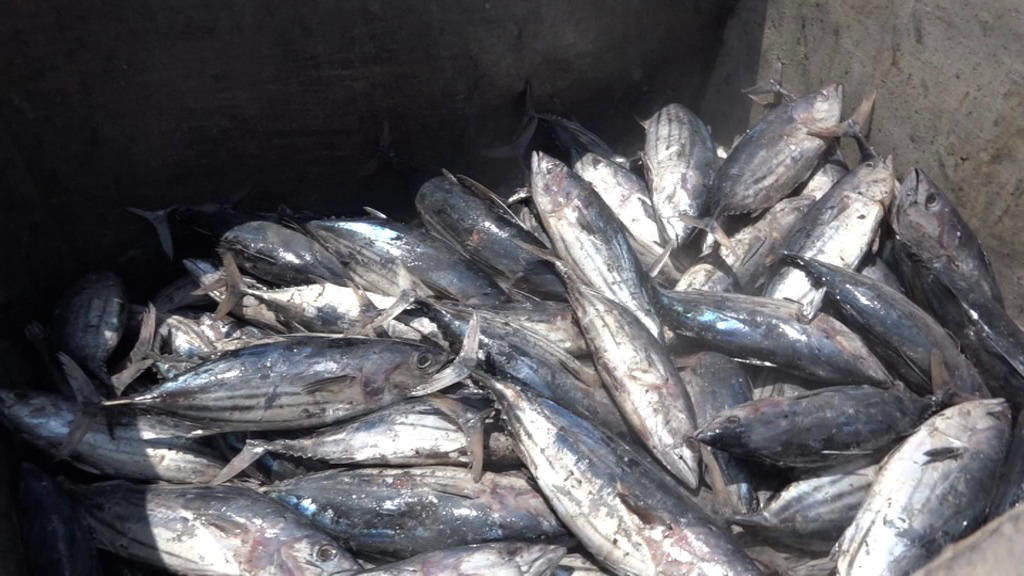
Ghana’s tuna-processing industry depends on a steady supply of locally landed fish, so declining production could make it harder for processors such as Pioneer Food Cannery and Cosmo Foods to secure sufficient raw materials.
The health of Ghana’s fishing fleet is therefore closely tied to the survival of the local processing industry, and the collapse of 20 hook-and-line vessels has brought that connection into sharp focus.
Latest Stories
-
Ghana ‘showing up differently’ on global stage – Joyce Bawah Mogtari
7 minutes -
Ghana’s tuna industry in crisis as 20 hook-and-line vessels collapse
46 minutes -
South Tongu MP launches apprenticeship programme for 159 young people
60 minutes -
The Pusiga connection behind Gertrude Atongi’s work in New York
1 hour -
Teachers took promotion exams in December to beat government clearance deadline – GNAT
1 hour -
NPA launches 2026 staff welfare week with focus on teamwork and employee wellbeing
2 hours -
Ghana, Saint Kitts and Nevis sign labour deal to strengthen protections for Ghanaian nurses
2 hours -
Delayed promotions put teachers’ retirement benefits at risk – GNAT
2 hours -
No ‘Bawumia candidates’ in NPP executive elections – Anthony Karbo
2 hours -
Over 3,000 displaced as flooding overwhelms Hohoe communities
2 hours -
Sunyani East NPP executives begin reconciliation drive ahead of 2028 polls
2 hours -
Agric Minister engages Ga Mantse on agriculture transformation agenda
2 hours -
Aayalolo expansion targets private car users, not trotro operators – Mahama Ayariga
2 hours -
KNUST, GMTF explore AI partnership to transform healthcare delivery
2 hours -
MTTD records 9,000 preventable crashes, over 900 deaths in eight months
2 hours