

Audio By Carbonatix
The Council for Scientific and Industrial Research–Institute of Industrial Research (CSIR-IIR) has called for deeper collaboration between research institutions and industry players to drive sustainable industrial development in Ghana.
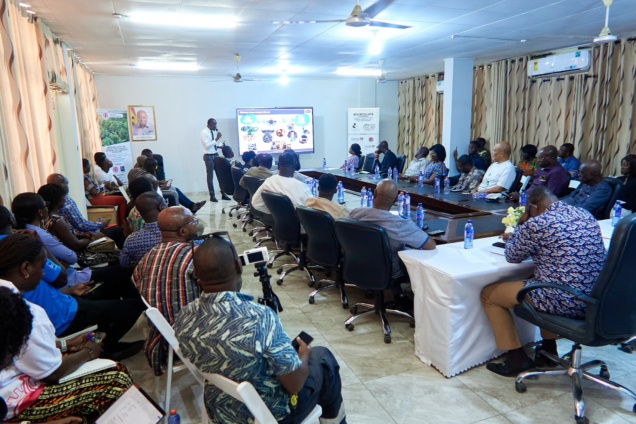
The call was made at the Biennial Research and Industry Meeting (BI-ARIM) 2026, held in Accra under the theme: “Advancing Industrial Sustainability through Innovation, Partnerships and Technology Transfer.”
Dr Francis Boateng Agyenim, Director of CSIR-IIR, in a welcome address, underscored the importance of strengthening partnerships between research and industry to accelerate innovation and industrial growth.
Dr Latifatu Mohammed Adjah, President of the Research Staff Association and Senior Research Scientist, said there was a need to bridge the gap between research and industry, noting that research must go beyond theory to address real-world challenges.
“This platform is designed to move beyond discussions toward practical collaboration, innovation, and impact,” she stated.
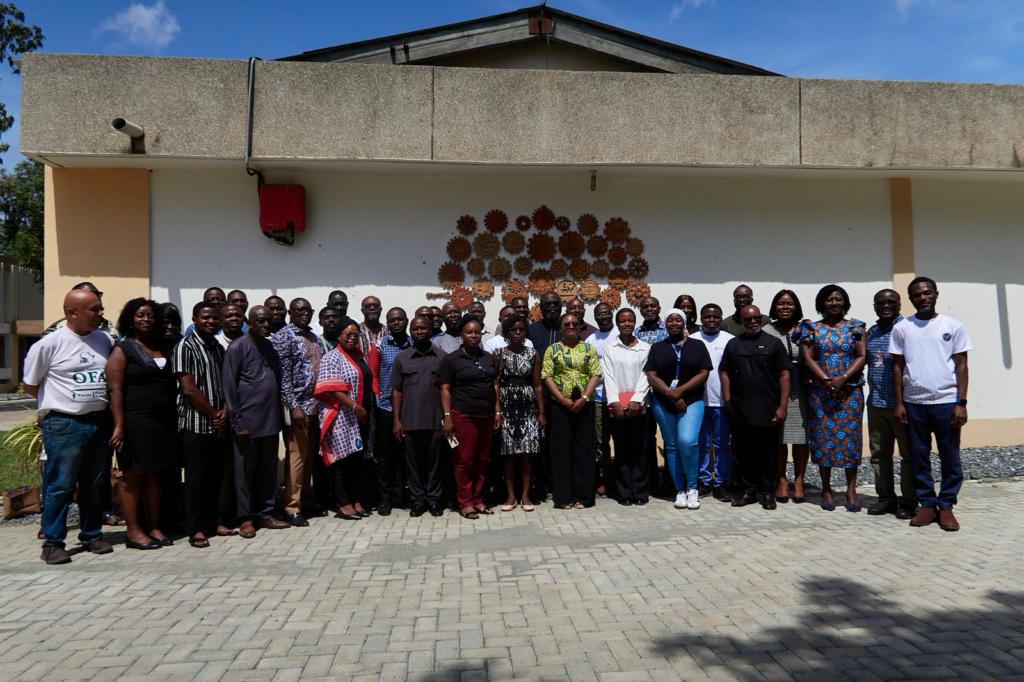
The meeting brought together stakeholders from research, industry, government, development organisations, academia, and students from selected Senior High Schools to explore collaboration opportunities and gain practical exposure to science and innovation.
Presentations were made by CSIR-IIR and partner organisations, including the Ghana Chamber of Mines, the International Water Management Institute (IWMI), and The Hunger Project Ghana, focusing on areas such as waste management, industrial efficiency, agriculture, and community development.
Dr William Owusu Oduro, Principal Research Scientist, highlighted the Institute’s contributions to Ghana’s industrialisation agenda through innovations in renewable energy, waste-to-resource systems, engineering solutions, and industrial process optimisation.
Christopher Opoku Nyarko, speaking on behalf of the Ghana Chamber of Mines, outlined areas for collaboration, including mineral processing, environmental management, and carbon reduction initiatives in the mining sector.
Esther Peasah Fiscian of The Hunger Project Ghana said the organisation was partnering with CSIR-IIR to implement community-based interventions such as solar-powered irrigation systems, greenhouse farming, and skills development initiatives to improve livelihoods.
Ing. Dzifa Agbefu, speaking for IWMI, said the collaboration with CSIR-IIR was advancing the circular bioeconomy through joint projects, including machinery development for Fortifer compost and the establishment of an innovation hub.
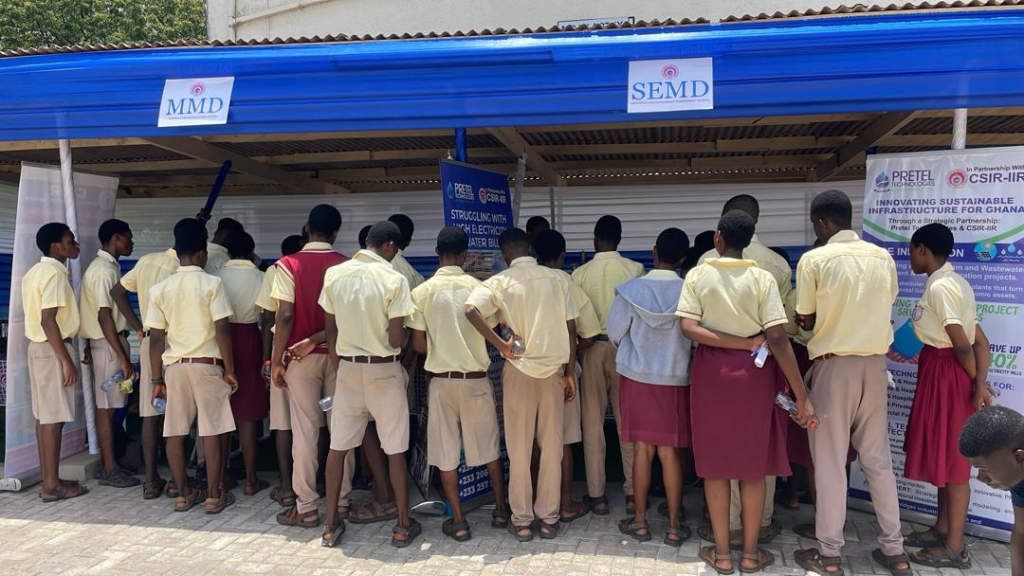
The event featured an interactive forum for discussions on industry challenges and research-driven solutions, as well as an exhibition and industrial tour showcasing technologies developed by the Institute.
Dr Baffour Awuah, Chairman and a member of the CSIR-IIR Board, in closing remarks, said the success of the meeting would be measured by actions taken, including sustained partnerships, scaled innovations, and implementation of solutions with measurable impact.
He stressed the need to strengthen linkages between research and industry, accelerate the commercialisation of research outputs, and enhance innovation as a driver of industrial sustainability.
Students from Senior High Schools interacted with scientists and industry experts and toured exhibitions showcasing technologies and prototypes, gaining insights into the practical application of research.
The BI-ARIM continues to serve as a platform for promoting collaboration, technology transfer, and positioning research as a catalyst for Ghana’s industrial growth.
Latest Stories
-
Afadzato South DCE commissions water projects, teachers’ bungalow
1 minute -
Council of State urges sustained dialogue, negotiations as teachers resume work
6 minutes -
We are committed to leaving a legacy in Mandari – Bole-Bamboi MP
10 minutes -
Greater Accra teachers resume work after strike suspension
18 minutes -
Education Minister assures teachers of salary adjustments by October 16
23 minutes -
Abass Osabutey declares bid for NDC Deputy National Organiser position
25 minutes -
Education Minister inaugurates NDU Governing Council, announces $25m seed funding
33 minutes -
THE LAW 101: La Beach Demolitions – The State’s own documents, the courts’ orders – and the bulldozers
36 minutes -
DVLA contributes GH¢17.7m to Consolidated Fund in 2025
39 minutes -
Why disaster risk reduction must connect early warnings, preparedness and financial protection to household-level resilience
46 minutes -
Fentuo Tahiru narrates how 2018 Commonwealth Games visa scandal became an international embarrassment
1 hour -
The AI Gold Rush: Who strikes gold and who gets left behind?
1 hour -
Australia visa scandal: Pius Hadzide says failed checks left him carrying the blame
1 hour -
Pius Hadzide rejects blame for journalists’ visas in 2018 Australia scandal
2 hours -
What Is Wrong With Us: We queue for the Colosseum while our own Castles crumble
2 hours