

Audio By Carbonatix
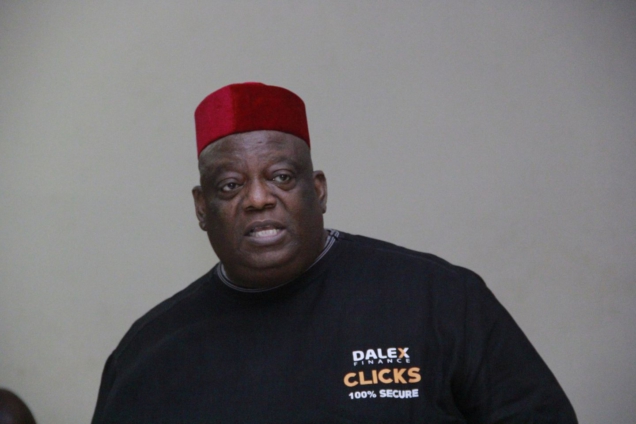
Director of Operations at Dalex Finance, Joe Jackson, has described the current economic downturn as one of the toughest he has experienced since 1981.
According to him, there is no dispute when it comes to the dire economic situation the country finds itself in and this is especially reflected in Ghana’s interest rates.
“The government Treasury bill, 91 days Treasury bill was 12.5% per annum in January, now it is almost 28. That’s what? 200% + increase. What does that do to your planning? What does that do to your budgeting? What does that do to an institution that has given out fixed rate loans? And what does that do to the issue of raising deposits?
“Because people have now lost confidence in the cedi due to the depreciation we face this year, so people are saying I want to move my money out into dollars, and prices have gone up for everything. So it’s a tough environment for everybody, let no one be deceived, it’s a tough environment.
“I think that the numbers speak for itself. Inflation at 31, the cedi has depreciated in the forex bureaus over 9.5, our foreign reserves at a historic low, the downgrade of our sovereign debt and you could go on and on. So I don’t think there’s any dispute as to how difficult these times are … these are some of the toughest times I’ve faced since 1981,” he said on JoyNews’ PM Express Business Edition on Thursday.
He noted that any hope or relief will come in the 1st quarter of next year when hopefully the government would have signed onto an IMF programme to help restore investor confidence in the country’s economy.
“So obviously the light at the end of the tunnel is Q1 and the challenges we face are between now and Q1,” he said.
Joe Jackson, however, expressed disappointment in the government’s handling of the economic crisis; noting that more could have been done particularly during the mid-year budget review.
He said, while the e-levy was facing strong opposition in Parliament, the government should have gone ahead to make more cuts to some discretionary expenditures to make up for the delay.
“When it couldn’t get passed I thought the mid-year review would not only cut the discretionary expenditure – and I’d agree that some of the key parts of the expenditure are difficult to cut; issues to do with servicing your debt, issues to do with wages and salaries, they’re tough.
“But I also felt that there were some sacred cows that we should have put on the table and reviewed to indicate to the market that we were serious and ready to address our issues and I say that we lost an opportunity.
“We lost an opportunity at the mid-year review. In a sense, where we are today is not surprising because really even given our constraints we still could have done more,” he said.
Latest Stories
-
I have supported highway authority financially to fix roads in my constituency – A Plus
38 minutes -
US, Iran fail to reach peace agreement after marathon talks in Pakistan
1 hour -
ECG kicks off Phase Two of transformer upgrades at Lashibi; brief outages expected
2 hours -
Port crises loom as 11,000 drivers threaten four-day strike
2 hours -
A source of excellence across generations – Vice President Opoku-Agyemang lauds Mfantsipim
3 hours -
(Photos) Mfantsipim School launches historic 150th anniversary
4 hours -
Knights and Ladies of Marshall group backs Catholic Bishops’ stance on anti-LGBTQ+
5 hours -
Bright Simons writes: All the Filla in the Ibrahim Mahama/E&P – Gold Fields Saga
5 hours -
Monetise Idiocy In Ghana
5 hours -
The Ghanaian prophet and the mysterious death of his scottish wife Charmain Speirs
6 hours -
Nearly 400 sentenced in Nigeria for links to militant Islamists
6 hours -
Ghana’s recovery supported by gold strength despite global oil price pressures – Standard Bank Research
6 hours -
Methodist Church hails Mfantsipim@150; calls for “fresh consecration” to excellence
7 hours -
‘Excellence is our inheritance’ – Nana Sam Brew-Butler hails Mfantsipim’s 150-year reign in leadership
7 hours -
Kwaku Azar writes: A-G vs OSP
7 hours