

Audio By Carbonatix
With less than 24 hours to the deadline for enrollment onto the the Debt Exchange Programme, an Economist and Professor of Finance has urged government to further extend the January 16 deadline.
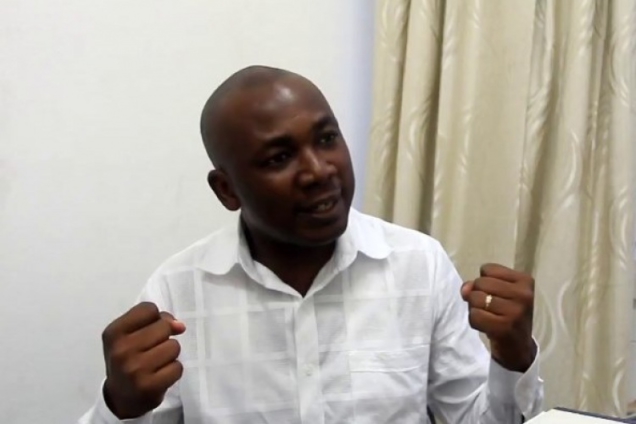
Prof. Godfred Bokpin wants the government to present a more attractive programme than the current one.
According to him, although government intends to restore macroeconomic stability, it should not be done at a “great cost and perhaps irreparable damage to the private sector and households.”
“We can only appeal to the government. It is a programme, we have control over it. As much as possible government could extend the deadline and come with a bit more accommodative proposal in a consensus-building manner that may even be possible and attractive to individual bondholders in a certain way that allows all of us to share the burden,” he said on The Probe, Sunday, January 15.
The Finance Professor said government should do this in the “interest of nation building that we are able to carry everybody along.”
According to him, Ghanaians must also be able to accept some level of debt restructuring to allow government to sustain its debt and restore economic stability.
“I have said before that where we find ourselves there is no way government can meet its future financial obligations as and when they fall due without sharp adjustment in its fiscals, in terms of expenditure and revenue and then the financing mix.
“And therefore a certain level of debt restructuring, we should be able to accept as Ghanaians so that we can come out of this together.”
Already, individual bondholders have vehemently opposed their inclusion in the debt sustainability measure.
Other groups like the Pension Forum are also against the programme. The Majority and Minority in Parliament have also demanded further stakeholder engagement on the programme.
Prof. Bokpin is also unhappy with government's approach to sustaining its debt.
He stressed that government’s approach is “a bit more painful than how much people are going to lose.”
“We are doing something that looks as though we are under military rule, but we are under democracy. Under property-owning democracy, you cannot tear into people’s property and investment the way we are doing.”
He noted that what is necessary for the government to do in this case, is some consensus-building with stakeholders.
Latest Stories
-
Ofori-Sarpong named Alumni President of the Year, honoured for PRESEC dormitory project
7 minutes -
Germany commits $132m to Ghana for skills development and training university – Pelpuo
8 minutes -
‘Influence should go beyond visibility’ – Taadi Banyinba GH launches The TB Impact
13 minutes -
Videos: Government announces emergency LEAP package for Hohoe flood victims
17 minutes -
Salomey Baffoe’s children are crying for their mother – Family appeals for her release
19 minutes -
Shortage of trained investigators and prosecutors hampers Ghana’s fight against money laundering – Report
19 minutes -
GoldBod generates US$1.87bn in September FX operations, exceeding monthly target
20 minutes -
Roads Minister says it is time to change one-year defect liability period for contractors, consultants
20 minutes -
Nana Asamoah takes Highlife across five West African languages
27 minutes -
UNICEF Ghana launches first Children’s Film Festival to amplify children’s voices
31 minutes -
Ghana must close gaps that allow drug trafficking – Dr Pelpuo
40 minutes -
Emmanuel Osei: President Mahama, dissolve GFA and save our soul
53 minutes -
Uganda Airlines to launch direct Accra-Entebbe flights from October 27
54 minutes -
Ghana records surge in 2025 tourism receipts as Ahafo Region honors top industry players
56 minutes -
I don’t have an official car, I use my own – Pelpuo
1 hour