

Audio By Carbonatix
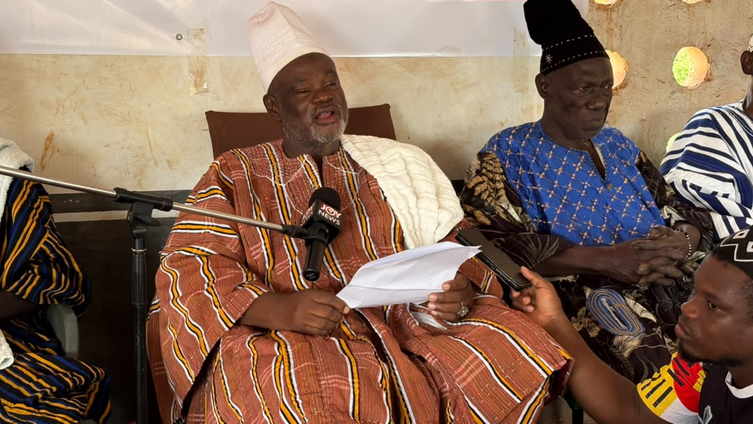
The Dorimon Traditional Council in the Upper West Region has endorsed a policy framework aimed at formalising and streamlining the Pognaa (queen mother or female chief) institution to strengthen women’s participation in traditional governance.
The framework, developed through an eight-month consultative process led by development researcher and University for Development Studies (UBIDS) lecturer Dr Adams Sabogu, seeks to address longstanding ambiguities, strengthen women’s roles in traditional leadership and harmonise female royal titles with customary rites.
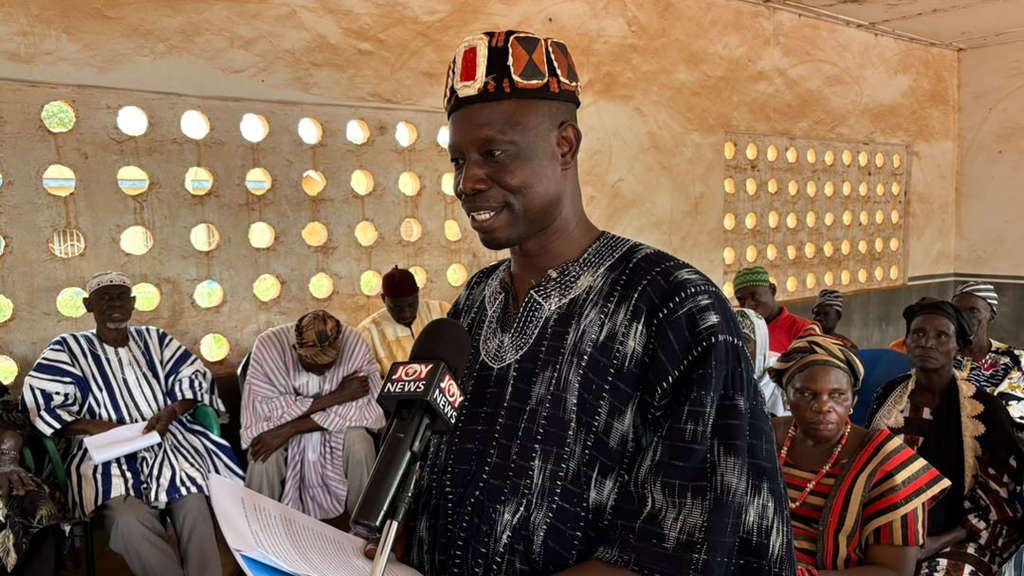
Presenting the framework at the Dorimon Palace, Dr Sabogu said his interest in the issue began years ago when he observed a lone female leader sitting among an all-male council of elders. His resolve to investigate the challenges facing female traditional leaders deepened after an encounter during the Damba festival in Wa, where a Pognaa lamented that “men have given us guns, but they have taken away the bullets, so we can't shoot”.
The experience prompted him to focus his PhD research on the structural barriers confronting women in traditional governance.
“Gender equity can only become meaningful when women are not only seen in public spaces, but are in institutions that are ready to get transformed to allow them to function,” Dr Sabogu said.
The policy outlines provisions for selecting Pognaamini from daughters of royal lineages by the Yidaana, in consultation with female elders. It also formally recognises Pognaamini as chiefs rather than merely women leaders, aligns their installation with that of male traditional rulers while providing exemptions from certain ritual restrictions, and establishes grounds for destoolment.
Under the framework, deceased Pognaamini will also receive a 16-gun salute on Per-maalo day, alongside the erection of tombstones to preserve their legacies.
Endorsing the framework, the Paramount Chief of the Dorimon Traditional Area, Naa Alhaji Seidu Tungbani Salinbile II, said resistance to female traditional leadership was often based on misplaced assumptions and historical religious changes.
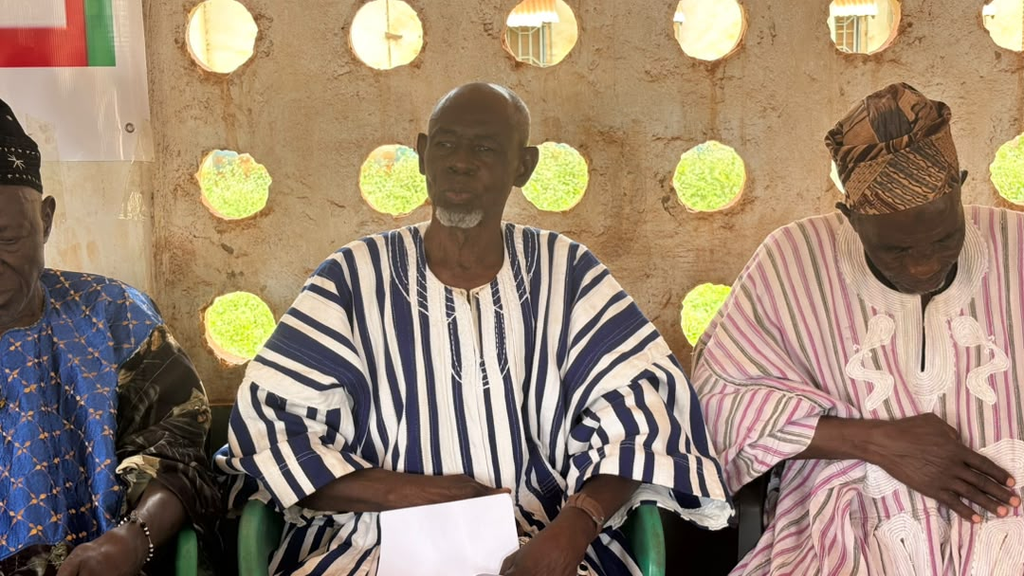
“The Dorimon Traditional Council does not perceive these reasons to be consequential to the implementation of the Pognaa policy framework,” he said.
He added that the council considered sociocultural norms and customary practices pathways to progress, provided they did not undermine the integrity of tradition.
“We unequivocally accept and endorse this framework and recommend other traditional councils to emulate it,” he said.
A research fellow at the Centre for Gender Diversity and Social Inclusion at UBIDS, Dr Kristonyo Blemayi-Honya, described the initiative as a significant step towards decolonising traditional governance.
She commended the council for moving beyond symbolic recognition of women and giving female traditional authorities a clearer mandate to contribute to development.
“We used to complain that we were given guns without bullets and could not fire. Now we have the guns and, thankfully, we have the bullets,” Dr Blemayi-Honya said, urging female chiefs to use their positions to promote development in the district.
Pognaa Mieri Gaapie, the Dorimon Oli Pognaa, said female traditional leaders had previously faced fear and tension in their dealings with their male counterparts. She noted that the new policy provided greater clarity and security regarding their status.
“When we were first made Pognaamini, we had a lot of fears that the men were unhappy with us,” she said. “Now that there is a policy and everyone has agreed to it, we are no longer afraid. We will work together for the development of the paramountcy.”
The Duasi Naa, Naa Bawa Seidu, also pledged the support of sub-chiefs across the traditional area, expressing hope that Dorimon’s approach to traditional governance would serve as a model for other traditional councils in the region.
Latest Stories
-
GJA accepts Mahama’s request to organise national forum on hate speech
12 minutes -
Democratizing the judiciary: Why Judges in Ghana should engage “We the People” through social media platforms.
14 minutes -
Bond market: Turnover increases by 47% to GH¢4.07bn
26 minutes -
DVLA prepares electronic queue system to reduce congestion
33 minutes -
Hearts of Oak coach Kapor raises alarm over poor pitches in Ghana football
43 minutes -
Dorimon Traditional Council endorses policy to formalise female chieftaincy
47 minutes -
DVLA expands from 33 to 63 offices after opening 30 new service centres across Ghana
48 minutes -
State Housing Company offers 195 homes with a 5% discount; prices start at GH¢950,000
51 minutes -
Learn Deutsch opens German language examination centre in Accra
51 minutes -
Decline in external buffers complicates foreign exchange outlook – IC Insights
52 minutes -
Ghanaian filmmakers urged to tell local stories and take them to the world
57 minutes -
Educated but unable to communicate? The missing link in Ghana’s University education
1 hour -
Informant demanded $20 million from NACOC for information on major drug consignment – Muntaka
1 hour -
Gov’t introduces mental health and drug tests for security recruits amid suicide concerns – Interior Minister
1 hour -
DVLA generates GH¢27.14m from dealer plates between January and September 2026
1 hour