

Audio By Carbonatix
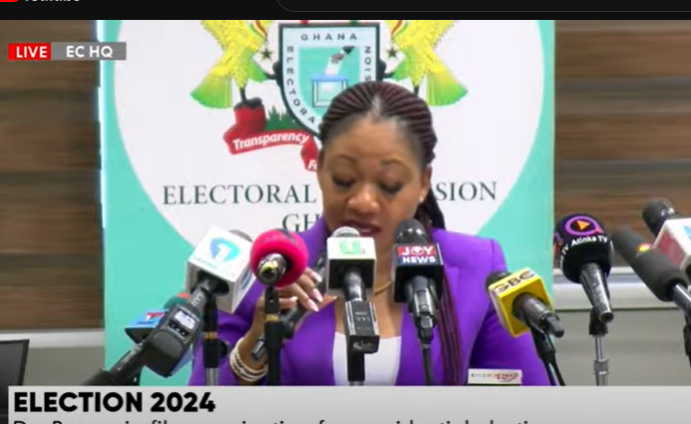
The Chairperson of the Electoral Commission (EC), Jean Mensa, has proposed the adoption of a "simplified" e-voting system to address the problem of invalid or rejected ballots in Africa.
She suggested the use of a direct recording device that would allow voters to select their preferred candidate or party logo on a screen, instead of the traditional thumb-printing method.
Speaking at the Ninth Annual Continental Forum for Electoral Management Bodies in Accra on Wednesday, Madam Mensa expressed concern over the increasing rate of rejected ballots, noting it could influence election outcomes.
She said election management bodies must examine the complex factors leading to invalid votes and find solutions.
“In the ever-evolving era of technology, it is about time that we as a continent begin to consider more effective and efficient mechanisms for voters to cast their ballots,” she stated.
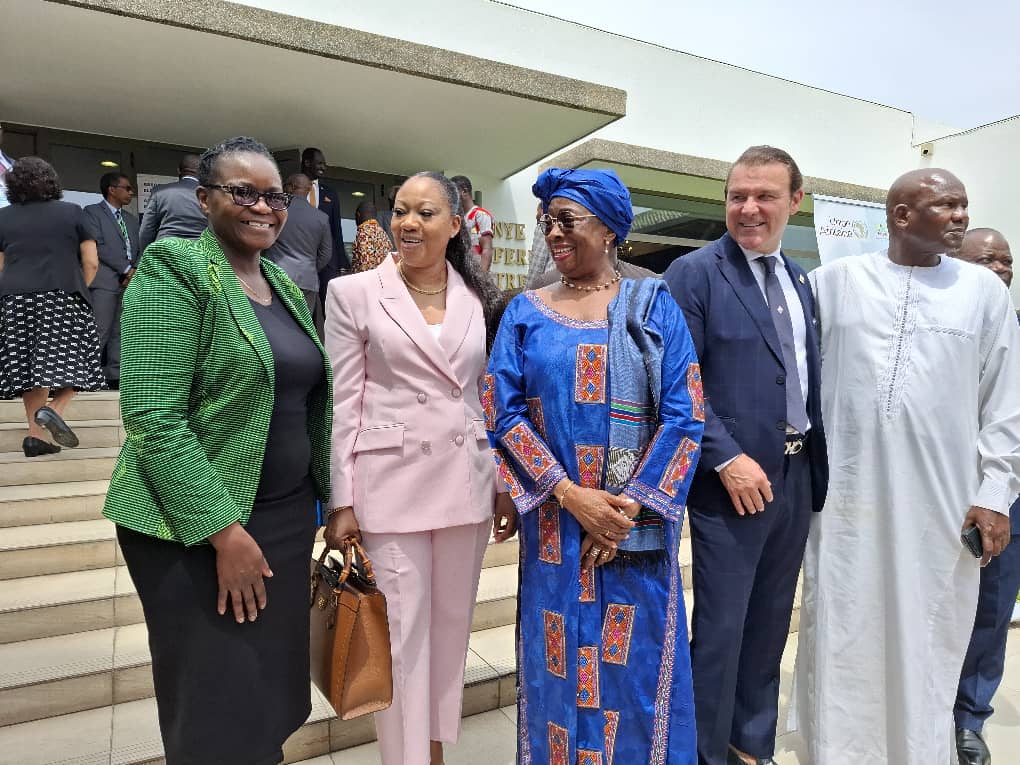
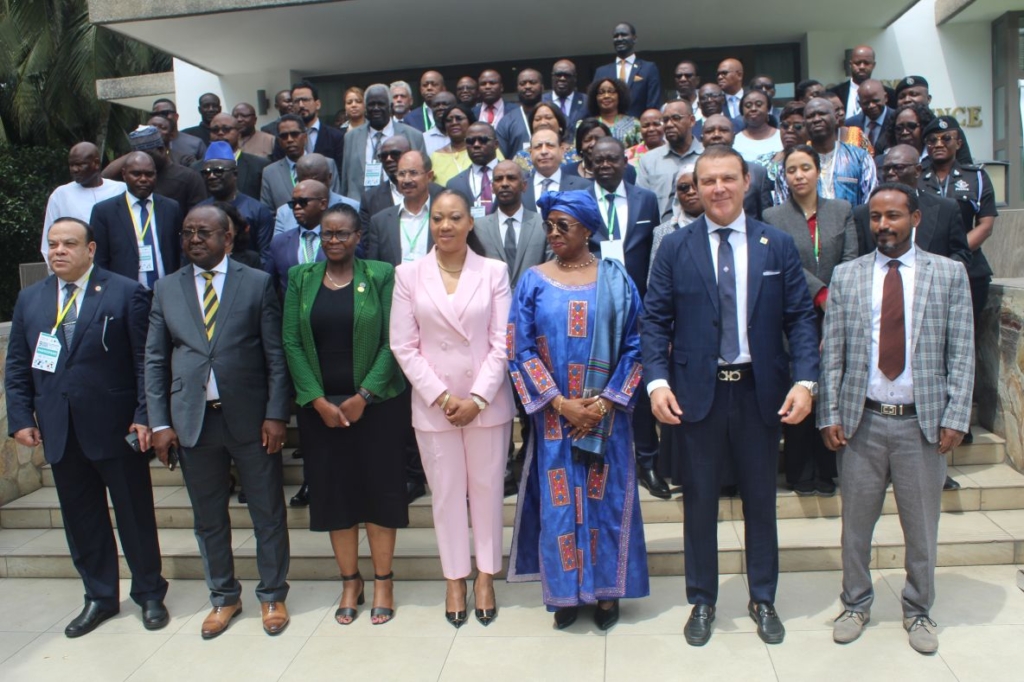
More than 40 representatives from electoral management bodies across Africa are attending the two-day Forum hosted by Ghana’s EC in Accra.
The Forum, organised by the African Union in collaboration with the Association of African Election Authorities, focuses on the theme: "All votes count: addressing the problem of invalid or rejected ballots in Africa."
During the Forum, the heads of the participating bodies will share ideas to enhance the integrity of electoral processes and build public trust in the systems.
Mrs. Mensa revealed that discussions on adopting e-voting technology in Ghana had started but emphasized that the process “will not be rushed.”
She added that the Forum would explore global best practices and systems to reduce rejected ballots, alongside public sensitization and training for electoral officers.
The former Chief Justice and Member of the Council of State, Madam Sophia Akuffo, warned that the rising rate of rejected ballots posed a threat to Africa’s democracy.
She urged governments, electoral bodies, and stakeholders to renew efforts to preserve public trust in the electoral process, saying,
“The democratic process of elections on our continent is at risk of being undermined by the increasing number of invalid or rejected ballots,” she said.
The Founder and Executive Director of the European Centre for Electoral Support, Fabio Bargiacchi, called on African election management bodies to collaborate and share experiences to strengthen public trust in democratic institutions.
Data from the EC shows that between 1992 and 2020, one to three per cent of votes in Ghana’s national elections were rejected.
In the 2020 General Election, 2.33 per cent of ballots were rejected, and this dropped to 2.08 per cent in the 2024 General Election.
An audit by the EC on the 2020 rejected ballots identified high voter illiteracy, voter dissatisfaction with candidates, and excessive caution by electoral officers as key factors contributing to the issue.
Latest Stories
-
Total expenditure as of July 2026 amounted to GH¢147.07bn, 16% below target – BoG
32 minutes -
Total revenue & grants stood at GH¢144.5bn in July 2026, slightly below target – BoG
48 minutes -
Ghana Sports Fund urges sports federations to submit credible proposals and measurable targets
51 minutes -
Sally Rooney books withdrawn in UK over Palestine Action support
59 minutes -
Musk says US government may be behind slowdown of Ukraine drone speeds
1 hour -
Picking Chief Justices nearing retirement could give Mahama immense power – Bentil
1 hour -
Netflix to shed 1,000 jobs in steepest cuts since 2022
2 hours -
Burnham had two hospitality dinners with Man City chairman, deleted records show
2 hours -
Semenyo ‘froze’ after alleged racist abuse, court told
2 hours -
‘Shameless’ – Mourinho critical of Vinicius Jr ban timing
2 hours -
Loyalty can outweigh competence in Chief Justice selection – Bentil
2 hours -
Man City suffer as PSG masterclass sets up Champions League win
3 hours -
Customer Service Africa CEO urges business leaders to observe staff and customer interactions
3 hours -
On night of mayhem for Liverpool, Barcola arrives in style
3 hours -
Muzic Mensah finds healing and renewed love in new single ‘WayƐ Late’
3 hours