

Audio By Carbonatix
This is the second in a series of articles on the critical necessity of achieving economic independence.
Economic Independence is the state where an economy can fulfill and sustain its citizens’ economic aspirations and prosperity without excessive reliance on foreign capital, skills, and enterprise.
It is a significant national objective as it embodies our economic sovereignty. Dr. Bawumia’s vision inspires the ‘slice of life’ scenario depicted below and introduces the six pillars of economic independence.
Read also: Mordecai Quarshie writes: “Economic independence now!”
We will later delve into H.E. Dr. Mahamudu Bawumia’s vision and priorities, demonstrating their importance and underscoring how they move us toward economic independence.
(All references to the government in this article are generic, not specific, referring to all governments we have had in Ghana, not any specific government in particular. The challenge of economic independence has persisted since Ghana’s independence; it is systemic and non-partisan.)
In an economically independent Ghana, the day begins with citizens waking up in secure, well-constructed homes, many of which are powered by renewable energy sources like solar panels or wind turbines, showcasing Ghana’s commitment to energy independence and sustainability.
1ST IN THE SERIES: Mordecai Quarshie writes: “Economic independence now!”
The streets are clean and well-maintained, with efficient public transportation systems—electric buses, trains, and bike lanes—that make commuting accessible and reduce reliance on fossil fuels.
Breakfast tables are adorned with various foods, most locally sourced. The country’s robust agricultural sector ensures that supermarkets stock abundant fresh, domestically produced fruits, vegetables, meats, and dairy products.
This supports local farmers and minimizes the carbon footprint associated with long-distance food transport.
As the workday begins, the nation’s economic diversity is evident. Some citizens head to jobs in advanced manufacturing plants, where high-tech goods are produced for domestic and export use.
Others work in the vibrant service sector, in roles ranging from healthcare to education, benefitting from Ghana’s investment in human capital and innovation.
There are also those employed in research and development facilities, pushing the boundaries of technology and sustainability, further solidifying the country’s position as a leader in innovation.
Education plays a central role in daily life in Ghana. Schools and universities are well-funded and offer quality education that equips students with the skills needed for a rapidly evolving job market.
Emphasis is placed on critical thinking, creativity, and technological proficiency, ensuring the workforce remains competitive globally.
Comprehensive social services support Ghanaian citizens’ well-being throughout the day. Healthcare is accessible and affordable, focusing on both treatment and preventative care.
Social welfare programs provide a safety net for the vulnerable, ensuring that economic prosperity is shared and that poverty rates are low.
The nation’s financial stability is reflected in the vibrant local markets and shopping districts, where consumers are confident to spend, knowing their jobs are secure and their currency is stable.
Local businesses thrive alongside larger corporations, benefiting from a supportive regulatory environment that encourages entrepreneurship.
In the evening, the country’s cultural richness is on full display. Residents can access various recreational activities, from sports facilities and parks to museums and theatres, which are publicly funded.
This enhances the quality of life and fosters a sense of community and national pride.
As the day closes, the government’s prudent fiscal management and strategic international trade relations ensure that the nation remains resilient against global economic fluctuations.
This economic independence does not mean isolation; rather, Ghana actively engages inequitable trade practices, sharing its innovations and products with the world while benefiting from global cultural and intellectual exchanges.
Living in Ghana, where economic independence aligns with sustainability, innovation, and social well-being, provides its citizens with a stable and fulfilling environment.
It showcases a model of development that balances domestic needs with global responsibilities.
Six critical focus areas in our quest for economic independence are fiscal discipline, currency stability, infrastructural development, governance, growth, and social services.
Dr. Bawumia’s vision inspires the vignette above and stimulates imagination and motivation as we continue our journey toward Ghana’s Economic Independence.
We begin to realize, understand, and accept that indeed Ghana’s Economic Independence is Possible!
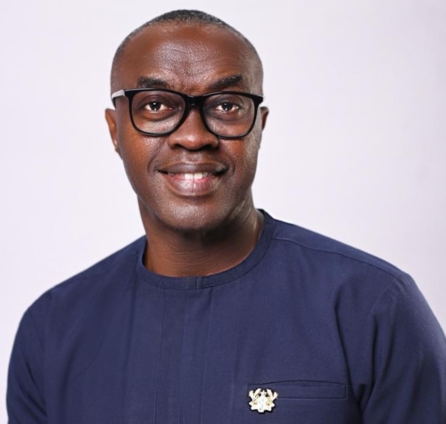
The writer, Mordecai Quarshie, is a seasoned Ghanaian politician with many years of experience in private life. You can reach him via mordecai.quarshie@gmail.com.
Latest Stories
-
Power restoration fault suspected in Kumasi Central Market fire
3 hours -
The 7-foot giant of Ngleshie Amanfro: Seven-foot Ghanaian Ephraim Saawa dreams of joining the national basketball team
4 hours -
Government promises support for Kumasi Central Market fire victims
4 hours -
Vibes The Movie: Big Ghun’s Ghanaian film earns five nominations at 2026 REFFA
4 hours -
MamaCare CEO warns unresolved conflicts among health workers could undermine maternal and neonatal care
5 hours -
Health professionals urged to translate medical knowledge into practice to save mothers
5 hours -
Conflicts among care providers linked to maternal, neonatal deaths – Expert
6 hours -
GIS marks 10th TIME conference, champions improved teaching practices
7 hours -
BRICS Or Balance? What Ghana’s bid really means
7 hours -
GPRTU wants full TRAFFITECH-GH implementation to start in 2027
7 hours -
Mahama announces plans to import electric wheelchairs for PWDs
7 hours -
KGL U17 Colts 2026: Western beat Prempeh Elite Academy to set up final final with Greater Accra Region
8 hours -
Late Solanke strike salvages 10-man Spurs draw at Man United
8 hours -
Gender Ministry to monitor welfare of Nana Akua Addo’s children amid domestic violence case
8 hours -
Benedict Okyere Yeboah: Ghana’s football problem goes beyond sacking a coach
8 hours