

Audio By Carbonatix
Prolonged exposure to extreme heat in classrooms is affecting pupils’ ability to concentrate, process information and learn effectively, with experts warning of a growing link between rising temperatures and declining cognitive performance among school children.
Research shows that sustained exposure to high temperatures can impair attention span, increase fatigue and trigger stress, all of which interfere with how the brain functions.
Professor Ebenezer Amankwaa, a Senior Lecturer at the Geography Department of the University of Ghana, says there is clear scientific evidence connecting heat exposure to learning challenges.
“There’s literature that supports the positive correlation between increased temperatures and cognitive performance impairment. Once school children are exposed to prolonged temperatures, it is believed that it can impact their cognitive performance and development,” he explained.

“The heat affects attention span. It brings fatigue, stress, dizziness and headaches, all of these affect how the brain functions.”
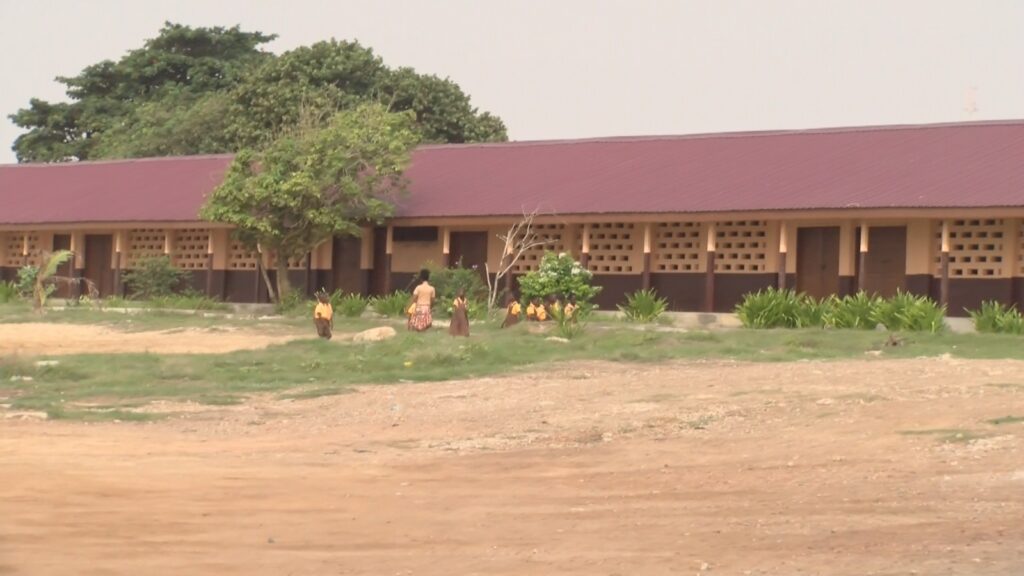
Across parts of the Greater Accra Region, pupils are grappling with these conditions daily, as poorly designed school buildings trap heat and create uncomfortable learning environments.
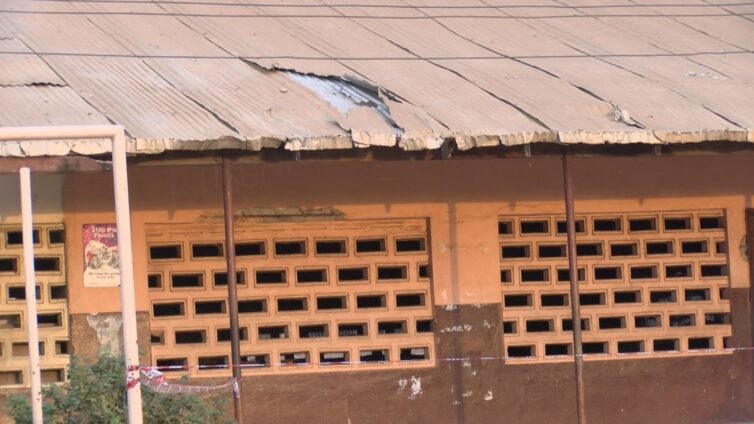
In many classrooms, metal roofing sheets absorb and retain heat, while limited ventilation prevents proper airflow, turning learning spaces into what pupils describe as “ovens.”
Jason, a Class Six pupil in a state-owned basic school in Accra, says the situation is unbearable.
“Because of the roofing sheet, the heat is unbearable,” he said.
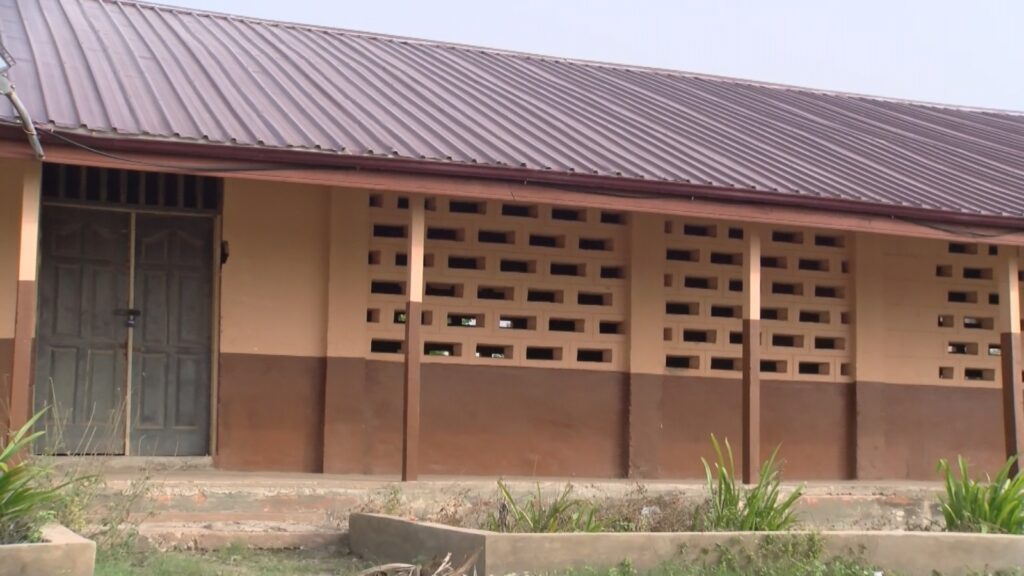
Another pupil added, “Learning in this classroom is a very bad situation. We don’t have windows.”
By mid-morning, temperatures inside many classrooms begin to rise sharply.
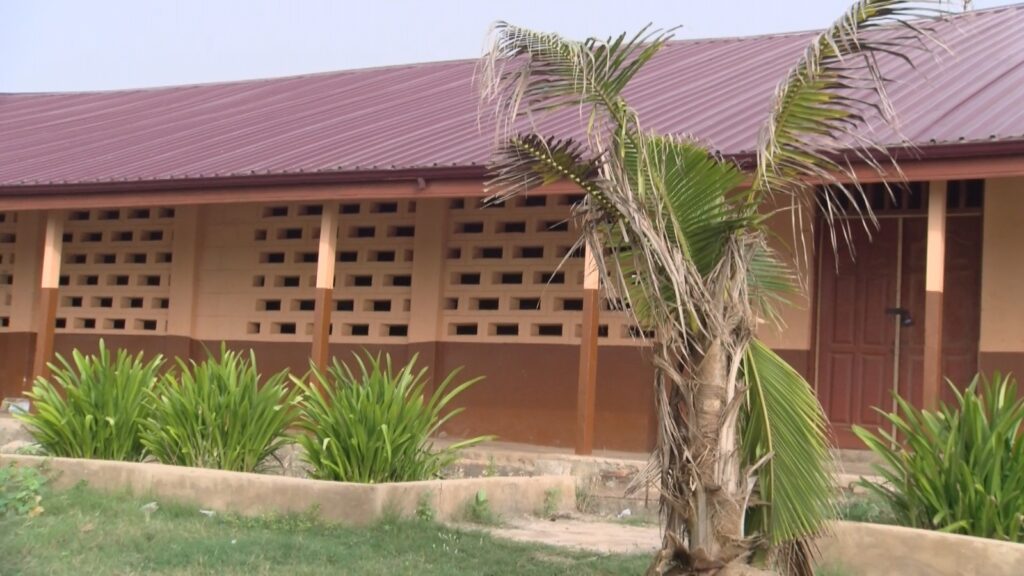
Windows made of decorative blocks, increasingly used in public school infrastructure, further restrict ventilation, worsening the heat.
“In our classrooms, we have been sweating when the sun is hot, and when the fan is blowing, it does not bring plenty air,” a pupil said.
Professor Amankwaa’s research highlights the role of building materials in worsening the situation.
“Students studying under classrooms with metal roofs tend to experience temperatures about 6 degrees higher than those in classrooms with concrete roofs,” he said.
“Concrete rooms tend to have temperatures below 30°C, whereas metal roof classrooms average between 33°C and 35°C, with some exceeding 40°C.”
He also raised concerns about the shift from operable windows to decorative block designs.
“It was surprising to see many government schools replacing louvre or wooden windows with design blocks, which limit ventilation,” he noted.
As the heat intensifies, pupils say concentration drops significantly, especially in the early afternoon.
“From 12 to 1 p.m., when our madam is teaching, we cannot concentrate. When we come back from break, we feel the heat, so some people open their shirts,” one pupil said.
Teachers, speaking on condition of anonymity, say the effects go beyond discomfort. Some pupils complain of headaches, while others experience fatigue, dehydration and skin rashes due to excessive sweating.
Parents report similar concerns, with children returning home exhausted, dizzy and soaked in sweat.
According to the Ghana Meteorological Agency, temperatures across the country are steadily rising.
Dr. Eric Asuman, Director-General of the agency, says extreme heat days are becoming more frequent. “We’ve done analysis over the years and you can see the trend of increasing temperatures. It is very true that temperatures are gradually increasing,” he said.

Experts warn that without urgent adaptation measures, the impact on education could worsen.
Professor Amankwaa suggests both structural and immediate interventions to reduce heat in classrooms. “I would have gone for changing roofing to concrete, but that is expensive. With limited budgets, insulation of classroom roofs is a low-hanging fruit. It limits the direct penetration of heat,” he said. He also recommends redesigning windows to improve ventilation and increasing greenery within school environments. “Let’s encourage the planting of trees and other plants around schools to reduce ambient temperatures,” he added.
As the school day ends, many pupils rush outside in search of cooler air. But each morning, they return to the same overheated classrooms. With temperatures continuing to rise, experts say protecting children from extreme heat must begin with rethinking how schools are designed and built, because effective learning cannot take place in ovens.
Latest Stories
-
Let The Constitution direct Chieftaincy to deliver “All Development Is Local”
1 hour -
John Jinapor outlines renewable energy, nuclear power priorities for 2027
2 hours -
Ghana explores centre of excellence for hearing, communication and cochlear implant care
3 hours -
Schizophrenia-related disorders lead mental health cases recorded in Ghana
3 hours -
Dutch authorities enlist Ghana in hunt for fugitive drug lord Bolle Jos
3 hours -
Ghana housing finance conference adopts communiqué to improve affordable housing access
8 hours -
Special Initiatives Minister urges Wa Technical Institute to enrol more girls as EU-backed solar training lab opens
8 hours -
In the matter of my first year at the Bar
8 hours -
ActionAid Ghana calls for an end to child marriage, greater investment in girls’ rights
8 hours -
Newsfile to tackle World Cup visa scandal, beach demolitions, education strikes, BRICS bid
9 hours -
UK-Ghana Trade & Investment Summit: Trade Resource Centre to help businesses maximise UK-Ghana trade opportunities
9 hours -
Embassy of Denmark celebrates World Maritime Day
9 hours -
Linking LEAP to productive inclusion could cut extreme poverty by 2030 – UNICEF
10 hours -
Trade Ministry backs use of creative arts to rehabilitate prison inmates
10 hours -
Negotiations with government to continue despite strike suspension – GNAT
10 hours