

Audio By Carbonatix
The Food and Agriculture Organization (FAO) in Ghana and researchers are advocating for improved adherence to bio-safety and security measures in the quest to reduce Antimicrobial Resistance (AMR) in the country.
They observe a worrying trend of diseases persisting for longer periods amongst humans and animals in Ghana despite constant application of medications.
The misuse and overuse of antimicrobial drugs in humans, animals and in agriculture are driving factors contributing to the global threat of Antimicrobial resistance.
National AMR Project Coordinator at the FAO-Ghana, Dr Kofi Afakye admonishes the strict adoption of bio-safety and good management practices to halt the invasion of microbes.

“Disease and organisms exist in the environment. So, why not follow good management practices to prevent the microbes from invading the farms? Why not practice bio-security but using antibiotics to give to the birds, cattle’s and other livestock,” he said.
In 2015, the global fight against AMR was started after it was declared a significant public health concern.
Over 700,000 lives are lost annually owing to diseases that were hard to treat due antimicrobial resistance with a projected 10 million lives being lost by 2050 due to the prevailing menace.
Health organisationsspecifically the tripartite - World Health Organization (WHO), World Organization for Animal Health (OIE) - are working to raise awareness, improve surveillance, develop new antibiotics and implement strategies to prevent and control Antimicrobial Resistance.
Experts assert that it would require a one health approach to deal with the menace.
“Antimicrobial cuts across animal, human and environmental health and they are tackling it with the One Health approach,” Dr. Afakye said.
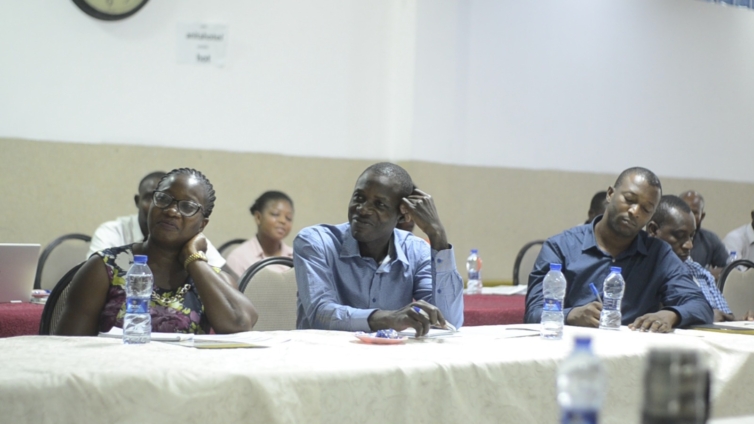
He was speaking at a three-day workshop on the AMR for actors in the agriculture value chain.
Organized by the FAO, the workshop brought together stakeholders including players in the plant, animal, crop and environmental sectors to be sensitized on the growing health concern.
Country Lead for Transboundary Animal Diseases in Ghana at the FAO, Dr. Garba Maina Ahmed, says the organization is keen on ensuring that the public are informed of the threat of Antimicrobial Resistance.
“We make to sure that these people are trained in such a way that they will be able to deliver their learnt skills and information to the layperson in the agriculture sector,” he said.
Despite the concerns, there is optimism as Ghana sets out to implement its entrenched policies on AMR.
“There is hope although we are equally worried that if this is not tackled together it may aggravate. We have a policy document and a national plan which is currently under review to broaden and deepen the understanding and scope of AMR,” Head of General Services at the Ashanti regional Veterinary office, Emmanuel Eshun, said.
Senior Lecturer at faculty of Pharmaceutical Sciences - KNUST, Dr. Vivian Etsiapa Boamah is admonishing a quicker and more effective implementation of the adopted policies.
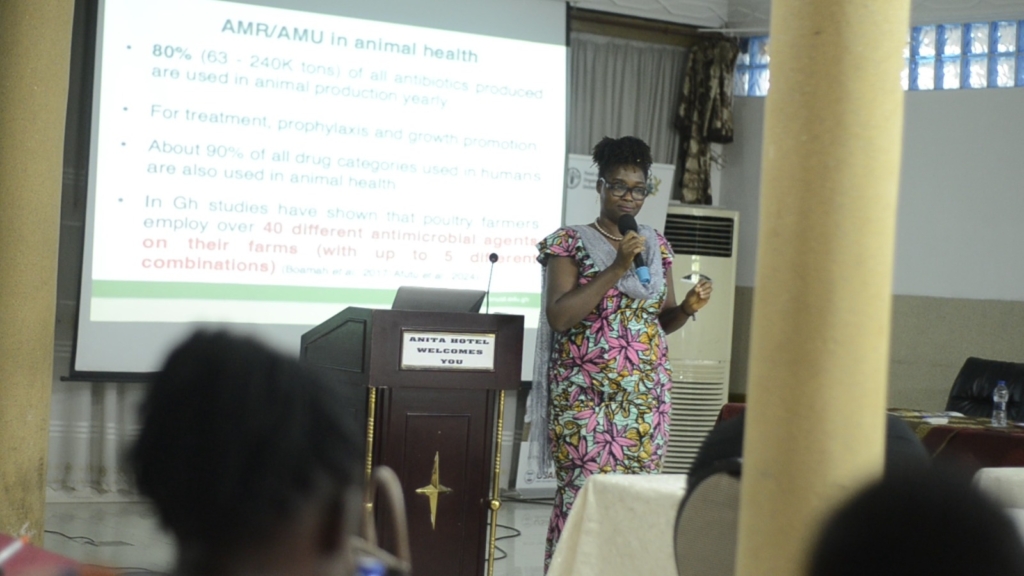
“Resistance has two mechanism of development. But once you use and the organism is exposed to different Antibiotics, the selection pressure and then the resistant organisms begin to thrive. We have to take up steps to curtail the resistance as quickly and as effective as possible,” she said.
Latest Stories
-
Stakeholders demand action against foreign-led illegal mining in Ahafo Region
21 minutes -
Ghana handed tricky draw at 2026 Amputee World Cup
28 minutes -
2024 Nyankpala election violence: Youth group petitions authorities over slow probe
33 minutes -
Ghana, UNICEF strengthen partnership to advance child protection
56 minutes -
Day Two of 3rd Republic Bank-JoyNews Habitat Fair ends with great homeownership offers and financing solutions
1 hour -
Guinness Ghana DJ Awards 2026 Pub Fest celebrates Ghana’s DJ culture as Accra turns up the energy
1 hour -
10th woman found dead in South Africa’s string of killings
1 hour -
French Embassy trains Ghana Police CTU in counter-terrorism operations
2 hours -
UPSA uncovers mass results manipulation involving 178 students, over 500 results compromised
2 hours -
ECG announces planned power outages in parts of Tema from Sept. 29 to October 1
3 hours -
Sylvester Mensah urges Latenu FM to promote trade, export opportunities in Ga
3 hours -
Ga language under threat of decline as children shy away from speaking it – Sylvester Mensah
3 hours -
‘Let every Ga child you raise know the Ga language and story’ – Sylvester Mensah
3 hours -
‘We are not deterred’ – Ablakwa responds to backlash over South Africa evacuation
3 hours -
Day Two: Republic Bank-JoyNews Habitat Fair gains momentum at Junction Mall
4 hours