

Audio By Carbonatix
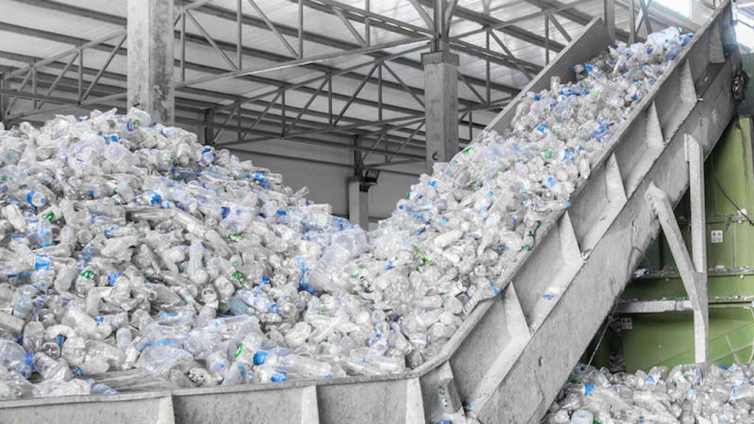
A new report by the Food and Agriculture Organization of the United Nations has raised concerns over the potential food safety risks associated with recycled plastics and alternative food contact materials used in food packaging.
The report, titled Food Safety Implications of Recycled Plastics and Alternative Food Contact Materials, was authored by Mark Feeley, Magdalena Niegowska Conforti, Vittorio Fattori and Markus Lipp.
According to the report, food contact materials (FCMs), including food and beverage packaging, play an important role in reducing food waste, with more than two-thirds of packaging materials produced globally used in the food sector.
However, the report warns that the growing use of recycled plastics in food packaging could expose consumers to harmful chemicals if recycling systems are not properly managed.
The authors noted that poorly controlled plastic waste streams can lead to contamination when food-contact plastics are mixed with non-food plastics or when packaging is subjected to post-consumer misuse.
The report explained that recycled plastics may also contain non-intentionally added substances (NIAS), which can enter packaging materials during recycling processes.
Studies reviewed in the report found that recycled plastics can release harmful substances, including metals, brominated flame retardants, persistent organic pollutants (POPs), and phthalates, sometimes at higher levels than virgin plastics.
The report also identified risks linked to intentionally added substances (IAS) such as surfactants, coatings, lubricants, antioxidants, thermal stabilizers, and biocides that may migrate from recycled packaging into food.
To minimise these risks, the authors said approved recycling systems rely on extensive cleaning of plastic waste and testing procedures designed to confirm the removal of contaminants.
The report highlighted the use of the Threshold of Toxicological Concern (TTC) approach, which helps regulators assess potential health risks from exposure to low levels of chemicals when toxicity data are limited.
According to the authors, the TTC approach is already used by regulatory agencies in evaluating food contact materials, cosmetics, flavouring substances, consumer products, and pharmaceutical impurities.
The report also examined the increasing use of alternative packaging materials such as bioplastics, which are produced from renewable resources and are often promoted as environmentally friendly alternatives to fossil fuel-based plastics.
Despite their environmental benefits, the report cautioned that bioplastics can also present food safety risks linked to the biological materials used in their production.
In addition, the authors discussed the emergence of smart food contact materials designed to extend shelf life, improve food quality, and monitor freshness and safety.
These materials may contain intentionally added substances such as nanomaterials that directly interact with food.
The report stressed that such technologies must undergo careful assessment during product development and premarket approval processes.
It also highlighted growing public concern over exposure to microplastics and nanoplastics through food and beverages.
However, the authors noted that limited scientific data and the lack of validated analytical methods have made it difficult for regulators to determine clear health risks associated with micro- and nanoplastics.
The report said the issue remains an evolving area requiring further scientific research.
The authors further pointed to the absence of globally harmonized standards for ensuring the safety of recycled plastics used in food packaging.
As part of efforts to address the issue, the Codex Alimentarius Commission requested member countries to indicate whether international guidance on food safety considerations for recycled plastics would be beneficial.
Feedback from member countries reportedly showed broad support for developing such guidance.
Following this, the Codex Committee on Contaminants in Foods agreed to prepare a discussion paper for its nineteenth session on food safety considerations for recycled materials used in food packaging.
According to the report, the proposed guidance would focus on contamination risks linked to recycled plastics and measures needed to ensure their safe use in food packaging.
The report said that timely assessment of food safety issues linked to recycled plastics and alternative food contact materials will be essential to protect public health while supporting environmental sustainability and fair trade.
Latest Stories
-
Ghana explores centre of excellence for hearing, communication and cochlear implant care
1 hour -
Schizophrenia-related disorders lead mental health cases recorded in Ghana
1 hour -
Dutch authorities enlist Ghana in hunt for fugitive drug lord Bolle Jos
2 hours -
Ghana housing finance conference adopts communiqué to improve affordable housing access
6 hours -
Special Initiatives Minister urges Wa Technical Institute to enrol more girls as EU-backed solar training lab opens
7 hours -
In the matter of my first year at the Bar
7 hours -
ActionAid Ghana calls for an end to child marriage, greater investment in girls’ rights
7 hours -
Newsfile to tackle World Cup visa scandal, beach demolitions, education strikes, BRICS bid
7 hours -
UK-Ghana Trade & Investment Summit: Trade Resource Centre to help businesses maximise UK-Ghana trade opportunities
8 hours -
Embassy of Denmark celebrates World Maritime Day
8 hours -
Linking LEAP to productive inclusion could cut extreme poverty by 2030 – UNICEF
9 hours -
Trade Ministry backs use of creative arts to rehabilitate prison inmates
9 hours -
Negotiations with government to continue despite strike suspension – GNAT
9 hours -
‘Ghana cannot afford to waste public resources; every cedi has a job’ – Ato Forson
9 hours -
Ghana expects economic boost as World Assemblies of God Congress brings 10,000 delegates to Accra
9 hours