

Audio By Carbonatix
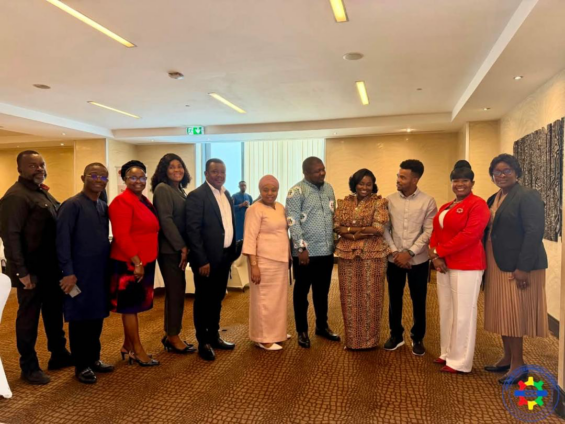
The Ghana Enterprises Agency (GEA) has begun consultations with key stakeholders to align its priorities and strengthen support for Micro, Small and Medium Enterprises (MSMEs) over the next five years.
The engagement, held under the theme “Aligning Development Partnerships for Sustainable MSME Growth and Economic Transformation,” brought together representatives from the public and private sectors, development partners, business associations, financial institutions, academia and other stakeholders.
The consultations form part of GEA’s preparations for its 2026–2030 Strategic Plan.
They focused on enterprise competitiveness, access to finance, digital transformation, market access, skills development, innovation, sustainability, institutional strengthening and inclusive entrepreneurship.
GEA Chief Executive Officer Margaret Ansei said the Agency wants partnerships to develop practical solutions to the challenges facing businesses.
“I would rather we treated partnership here as an economic proposition, where a development partner’s technical expertise, a bank’s balance sheet, a ministry’s regulatory reach, and GEA’s presence on the ground each solve a different part of the same constraint facing an enterprise trying to grow,” she stated.
Ms Ansei said the Agency also intends to measure the success of its next strategic cycle by the sustainability of the businesses it supports.
“GEA’s ambition for this period is to be judged less by the number of programmes we run and more by the durability of the enterprises that pass through them. That is a harder standard, and a fairer one,” she added.
The 2026–2030 Strategic Plan is expected to strengthen GEA’s institutional capacity, sharpen its strategic focus and improve coordination with development partners and other institutions.
It will also seek to ensure that the Agency’s programmes translate into more sustainable outcomes for Ghanaian businesses.
Board Chairman of GEA, Professor Nathaniel Boso, stressed the need for stakeholders to coordinate their interventions rather than operate independently.
“Alignment must mean more than working alongside one another; it must mean working from a shared understanding of the gaps that remain in Ghana’s enterprise ecosystem and coordinating our interventions to address them,” he noted.
GEA said the stakeholder engagement is intended to ensure that its priorities reflect the needs of businesses and institutions within the wider enterprise ecosystem.
The Agency is expected to use the outcome of the consultations to shape its programmes, partnerships and institutional priorities through 2030.
Latest Stories
-
Bahass Foundation launches vocational skills training to support mental health recovery in Wa
11 minutes -
NPP orders parliamentary aspirants and their supporters to suspend campaign activities
44 minutes -
Techiman unites against child marriage: Joy Impact Makers Awardee leads charge on International Day of the Girl Child
55 minutes -
Ghana Psychological Association calls for greater involvement of people with lived experience in mental health care
2 hours -
Ablakwa says Ghana could evacuate more citizens from South Africa if the situation worsens
2 hours -
Violence against girls must be tackled through individual responsibility – Gender advocate
3 hours -
Ghana’s BRICS bid must be guided by national interest – International Affairs Analyst
3 hours -
Journalists look back on a decade of breast cancer reporting in Ghana
3 hours -
President Mahama ends Resetting Ghana tour of Ahafo Region
5 hours -
African negotiators seek delivery of climate commitments at COP31
5 hours -
BoG develops AI rules for financial sector
5 hours -
‘Big Push’: Government assures contractors of prompt payments
5 hours -
Court fines miner for breaking into gold buying shop
6 hours -
Tarkwa court jails labourer for three years over GH¢123,000 theft
7 hours -
GAEC must retain nuclear scientists for Ghana’s nuclear ambitions – Minister
7 hours