

Audio By Carbonatix
The European Union has moved to remove a common ingredient from many gel nail polishes, a change that took effect on September 1, 2025 and will reshape the salon and nail supply landscape across the globe.
Regulators have added ‘trimethylbenzoyl diphenylphosphine oxide,’ widely known as TPO, to the list of prohibited cosmetic ingredients after classifying it as a reproductive toxicant.
What is TPO and why was it banned?
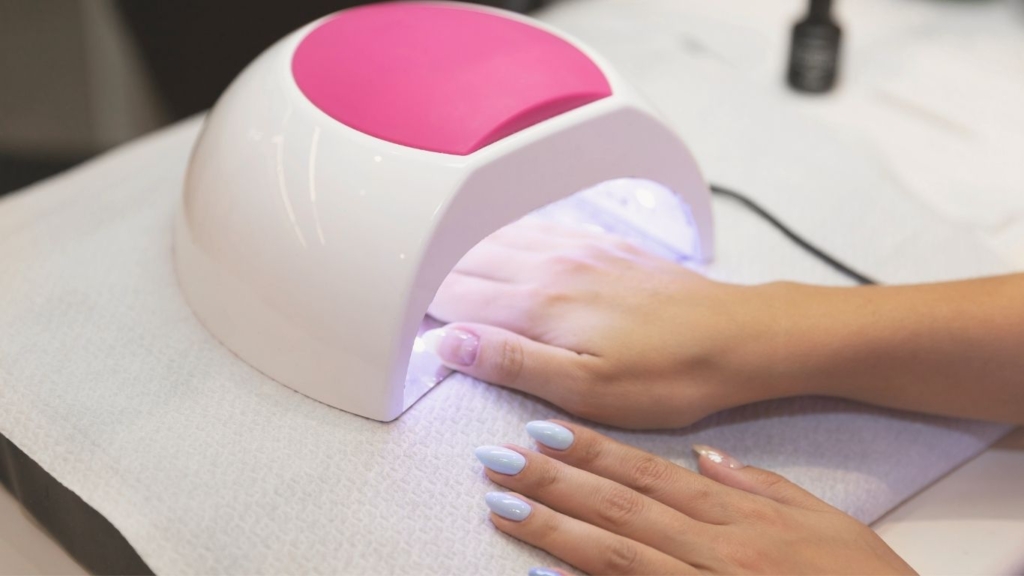
TPO is a photo-initiator. In gel polishes and other UV cured products it helps formulas harden quickly when exposed to LED or UV lamps.
That chemical role made the ingredient popular in professional salon systems and in at-home gel kits.
Regulators say new hazard data and the chemical’s classification under EU rules as CMR 1B, a category for substances considered potentially harmful to fertility or the unborn, justified its removal from cosmetic use.
The practical fallout for salons, makers and shoppers
From September 1, distributors, retailers and salons across EU member states must stop selling and supplying products that contain TPO.
Professional nail technicians are being advised to inspect ingredient lists, stop using affected polishes, confirm reformulated stock with suppliers, and dispose of TPO products in line with local hazardous waste rules.
Several national regulators and industry bodies issued guidance to help businesses comply quickly.
Brands and manufacturers face a scramble to reformulate lines that rely on TPO.
Some companies say they already use alternative photo-initiators and are ready to switch.
Others warn the ban will cause short term shortages, higher costs for reformulation and testing, and disruption in the supply chain while new, compliant stock is produced and certified for sale in the EU.
Is the ban a safety emergency or a precautionary step?
The decision is rooted in the EU cosmetics safety framework and a precautionary approach to chemicals classified as reproductive toxicants.
But the ban has generated debate. Cosmetic chemists and some analysts note that most of the evidence for harm comes from high dose animal studies and that typical manicure use may involve very limited exposure.
Supporters of the ban point to the technical difficulty of measuring long term low level exposure and prefer to remove the risk entirely from consumer products.
Critics say the move was rapid and may not reflect real world risk.
What about alternatives and what consumers should expect
TPO is not the only photo-initiator used in gel systems.
Formulators can and do use other light-sensitive chemistries that perform the same curing function.
Many brands already market TPO-free gels and hybrids, and salons that anticipate the rule change have begun placing new orders.
Customers can look for products explicitly labelled as TPO free or ask technicians which photo-initiator a product uses.
What this means for users in Ghana and other non-EU markets
The EU ban applies to products sold or made available in EU member states.
It does not automatically ban TPO elsewhere.
But the global beauty trade is highly integrated and regulatory moves in one major market often ripple outward.
Here is what Ghanaian salon owners, nail technicians and consumers should keep in mind:
- Check product labels and supplier declarations. Ask whether a polish or gel contains TPO and request a material safety data sheet if unsure.
- If you regularly get gel manicures, discuss alternatives with your technician. Many reputable brands already avoid TPO and sell compliant formulas.
- Salons should confirm with distributors whether existing stock contains TPO and follow proper disposal guidelines where required. If reformulation or new purchasing is needed, factor lead time into ordering.
- For home users who own LED curing kits and gel polish, read manufacturer advice and consider using TPO-free kits if available. If you suspect a product contains TPO and cannot verify it, exercise caution.
- Small businesses that import EU supplies should be ready for changes in price and availability as suppliers adapt to the new rule.
How to separate fact from fear
Reports about the EU decision have varied in tone. Some headlines suggested all gel manicures are now dangerous.
Others framed the move as purely precautionary.
The simplest takeaway is this: the EU has banned a specific ingredient because regulators judged its hazard classification requires removal from cosmetics.
That creates an immediate compliance duty within the EU and likely disruption for products that used TPO.
It does not mean every gel manicure ever performed was proven unsafe. Experts advise measured responses: check ingredients, choose trusted brands, and follow salon hygiene and safety best practice.
Where things may go from here
Expect manufacturers and independent formulators to accelerate rollout of TPO-free gel ranges.
Industry associations and trade groups are publishing guides for professionals.
Other regulators outside Europe will monitor the EU move and may reassess their own rules, but any regulatory alignment will depend on local risk assessments and legal processes.
For gel nail polish users, the immediate action is practical: ask questions, read labels and, when in doubt, choose products that clearly state they are free of the ingredient in question.

Latest Stories
-
Iran war lands ‘triple blow’ to flood-ravaged Sri Lankans
9 minutes -
Gunmen kill at least 11 people at Afghanistan picnic spot
23 minutes -
Woman, 25, in court for stealing baby at Bogoso
24 minutes -
Trump unveils giant gold-accented victory arch design for US capital
27 minutes -
We spoke to the man making viral Lego-style AI videos for Iran. Experts say it’s powerful propaganda
32 minutes -
Hungarians vote in big numbers on whether to end Orbán rule and elect rival
32 minutes -
At least 30 feared dead in crush at Haitian tourist site
33 minutes -
Boxing: Abdul Ahmed wins WBA Africa Cruiserwight title after dispatching Nigeria’s Eradeye
46 minutes -
Nearly 2,000 displaced, schools damaged as windstorm wreaks havoc in Gushegu
1 hour -
Ghana’s Derrick Kohn to work under Marie-Louise Eta as she becomes first woman to coach men’s Bundesliga team
1 hour -
Accra Open Championships conclude with strong performances ahead of African Championships
1 hour -
Ghana to begin camping with 12 athletes after Accra Open Championships – Bawa Fuseni
2 hours -
Anthony Joshua declines showdown with Tyson Fury but admits they ‘probably’ clash next
2 hours -
Tyson Fury dominates Makhmudov, calls out Joshua next
2 hours -
I have supported highway authority financially to fix roads in my constituency – A Plus
3 hours