

Audio By Carbonatix
The European Union (EU) has allocated GH¢1.6 million (€100,000) in humanitarian funding to assist communities affected by the ongoing cholera outbreak in Ghana.
The outbreak, which began in October 2024, has spread to 36 districts across five regions: Greater Accra, Central, Western, Eastern, and Ashanti.
In a press release, the EU announced that its financial support would aid the Ghana Red Cross Society (GRCS) in implementing essential relief measures, including the provision of chlorine for disinfection, handwashing devices, and public health education.
By the end of December, the Ghana Health Service reported 4,850 suspected cases and 35 deaths, despite ongoing vaccination efforts to control the disease.
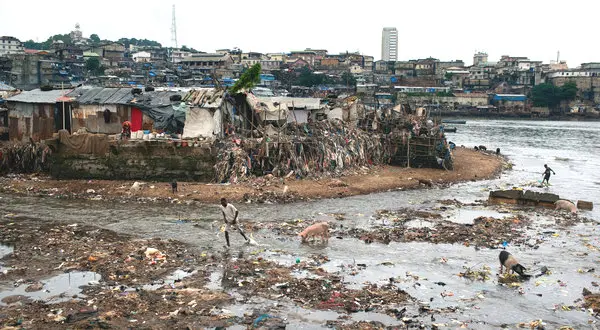
The outbreak has been linked to poor hygiene practices, inadequate sanitation, and heavy rains that have worsened drainage issues.
The relief efforts would, therefore, prioritise high-risk areas such as displacement camps and informal settlements on the urban periphery, the release said.
According to the EU, the funding is expected to benefit 150,000 individuals who are at high risk of cholera transmission due to inadequate access to clean water and sanitation facilities.
The Ghana Red Cross has been at the forefront of the response, providing sanitation resources and engaging communities to curb the outbreak’s spread.
The support forms part of the EU’s broader contribution to the Disaster Response Emergency Fund (DREF) of the International Federation of Red Cross and Red Crescent Societies (IFRC).
The EU has a €14.5 million humanitarian delegation agreement with the IFRC to replenish the DREF for small-scale disasters that do not trigger a formal international appeal.
The EU and its members are the world’s leading providers of humanitarian aid, according to the release.
It works through its Civil Protection and Humanitarian Aid Operations department to assist millions of victims of conflict and natural disasters.
With headquarters in Brussels, and a global network of field offices, the EU provides emergency relief based on humanitarian needs.
In addition to its humanitarian aid, the EU contributes €40 million towards the development of Ghana’s vaccine manufacturing capability under the Global Gateway flagship initiative.
Latest Stories
-
Asantehene plants trees to commence Jimi Watercourse Rehabilitation destroyed by galamsey
15 minutes -
15 arrested, 6 trucks impounded over sandwinning activities on Kumasi-Accra Expressway
15 minutes -
OFFICIAL: Vinicius will miss El Clásico, suspended four games
19 minutes -
Prayer vigil held after four arson attack murders
25 minutes -
GRA fully recovers $154k legacy debt owed by foreign entities between 2022 and 2024
27 minutes -
Kwesi Pratt Jr warns bus preachers are adding to passengers’ stress with accident prophecies
28 minutes -
MTN Ghana to spend $1.1bn in 3 years, build 500 new sites as MoMo hits 44% Growth
30 minutes -
I have no regrets joining Assemblies of God – Mahama
30 minutes -
Starlink restrictions in Ukraine war linked to political situation, Zelensky aide says
33 minutes -
Furniture boost for Techiman North schools as MP donates to 20 institutions
34 minutes -
Assemblies of God to loan 10,000-seater dome for Ghana@70 celebrations
34 minutes -
Government to audit 2,016 community network sites – Communications Minister
34 minutes -
Heritage Series notes: BoG promises more inclusive cedi with improved sizes, tactile features
51 minutes -
‘We want answers’ – Family seeks probe into 14-year-old’s death 12 days after starting SHS
1 hour -
No preacher has the right to impose beliefs on bus passengers – Kwesi Pratt Jr backs preaching ban
1 hour