

Audio By Carbonatix
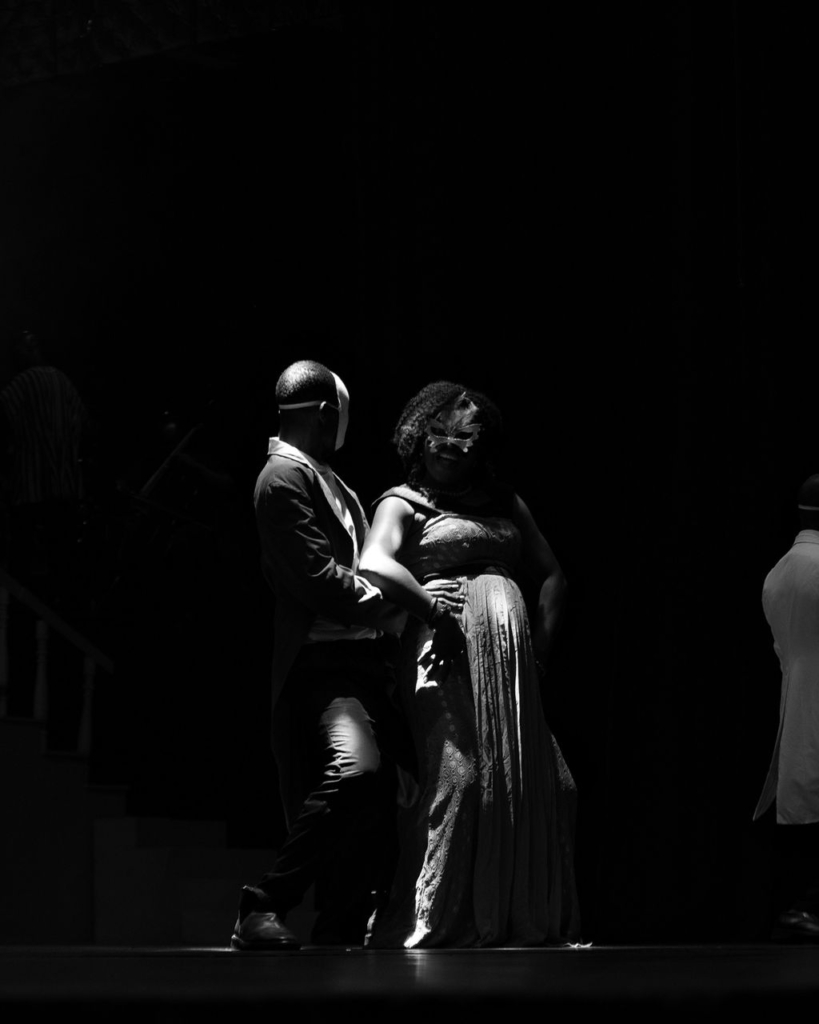
Lights, camera, action and a magical, breathtaking theatrical experience filled the National Theatre on Sunday, August 31, as actor and creative director George Quaye brought Wole Soyinka's classic tragedy, Death and the King's Horseman, to life as never seen before.
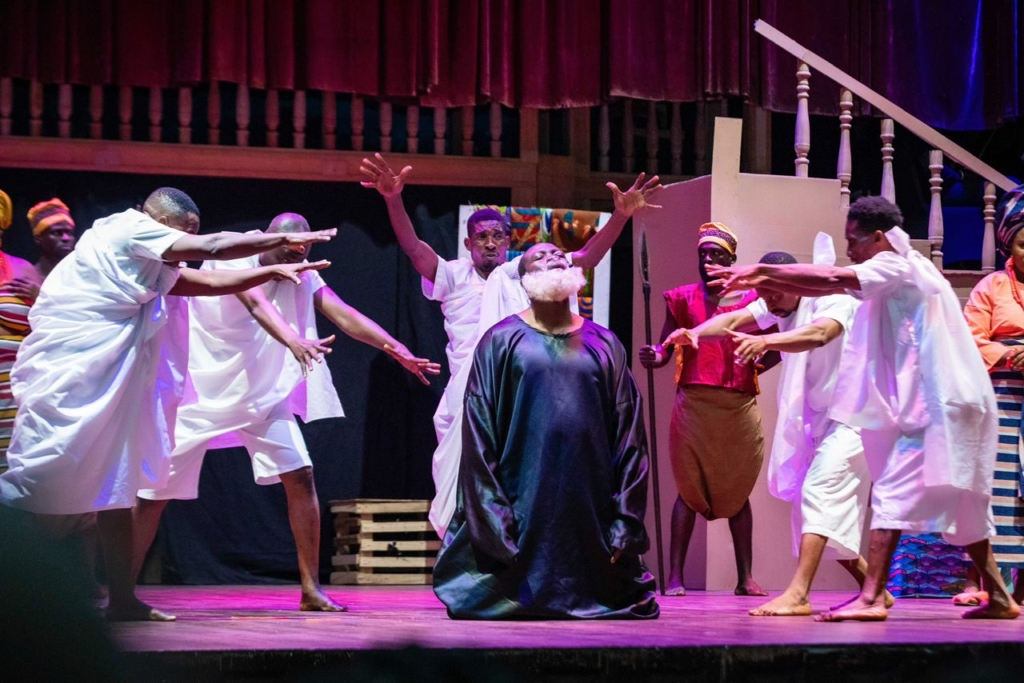
The production, in partnership with Image Bureau, April Communications and the National Theatre, was a spectacular fusion of tradition and modernity, captivating a packed audience with its vivid performances, powerful storytelling, and a compelling blend of African and European artistry as actress and assisting director Naa Ashorkor Mensah Doku brought her skills to bear.
From the opening scene, the play immersed the audience in the rich, vibrant world of the Yoruba people.
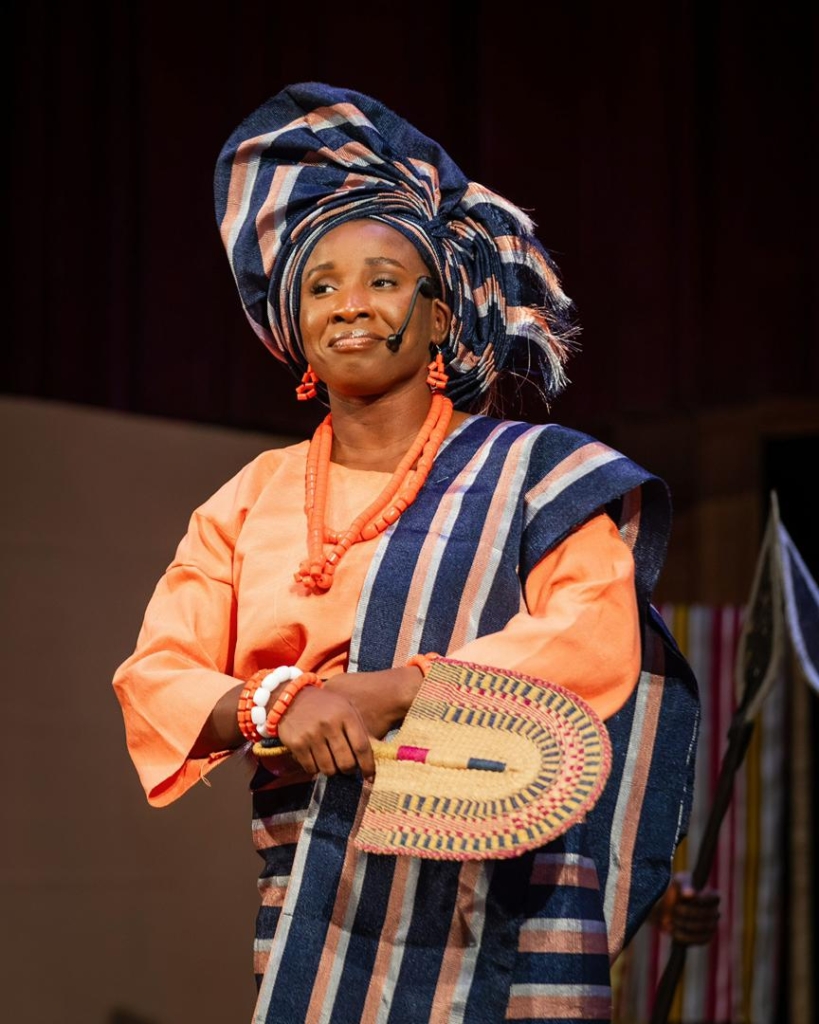
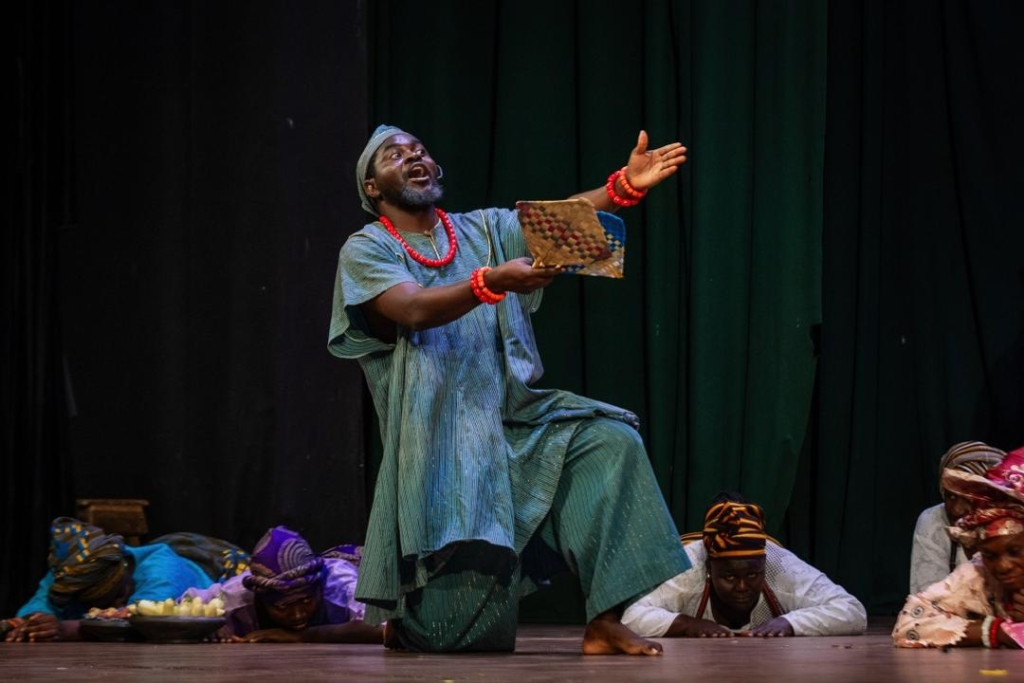
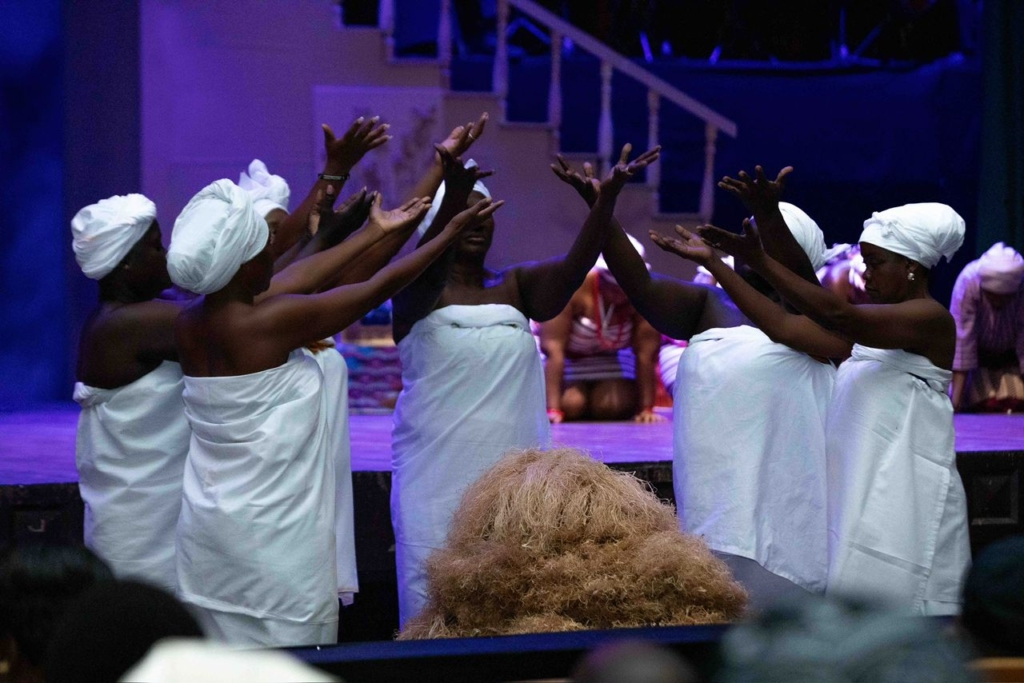
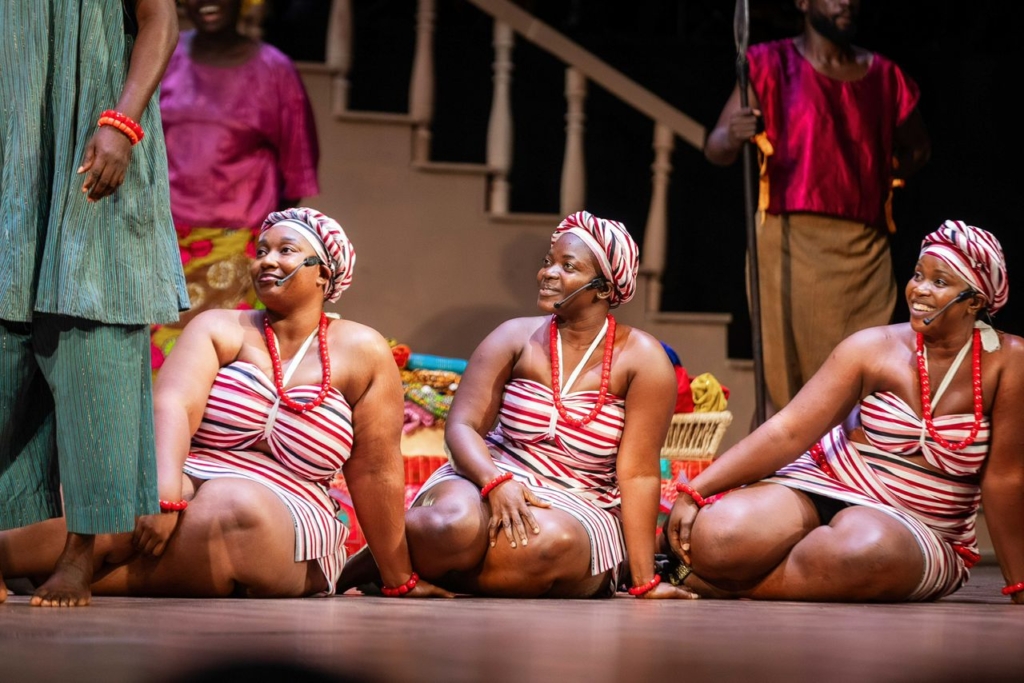
The stage pulsated with energy, with actors clad in traditional attire, their every movement a tribute to cultural authenticity.
The air was thick with the rhythmic beat of drums and the chants of a community preparing for a sacred ritual.
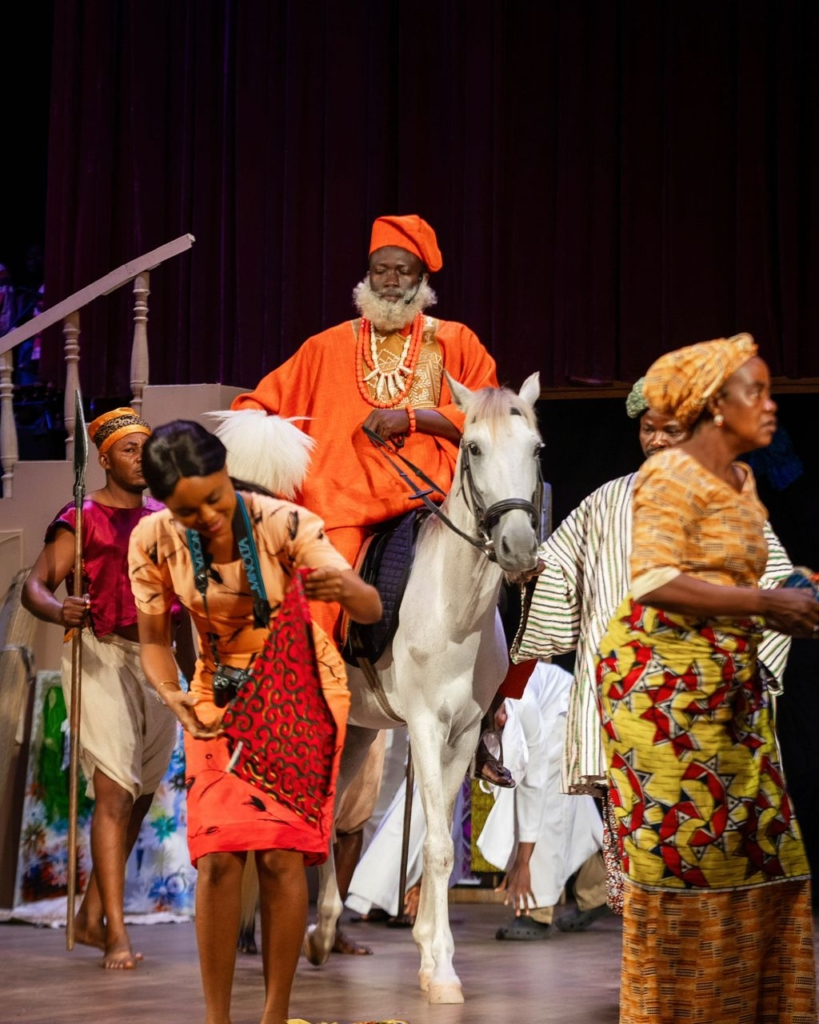
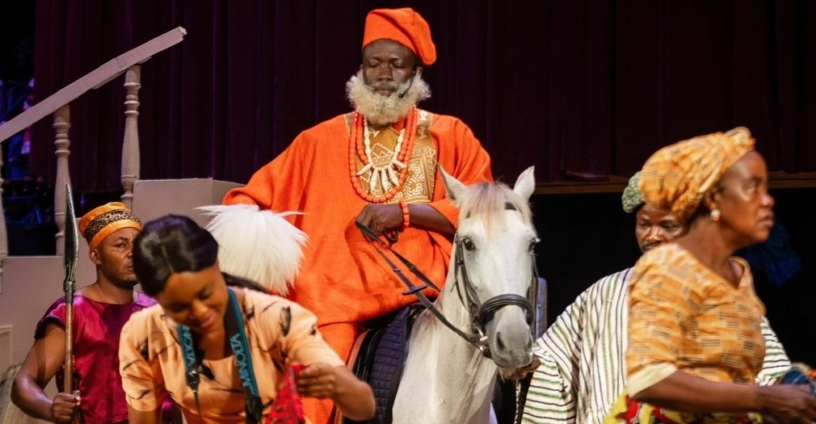
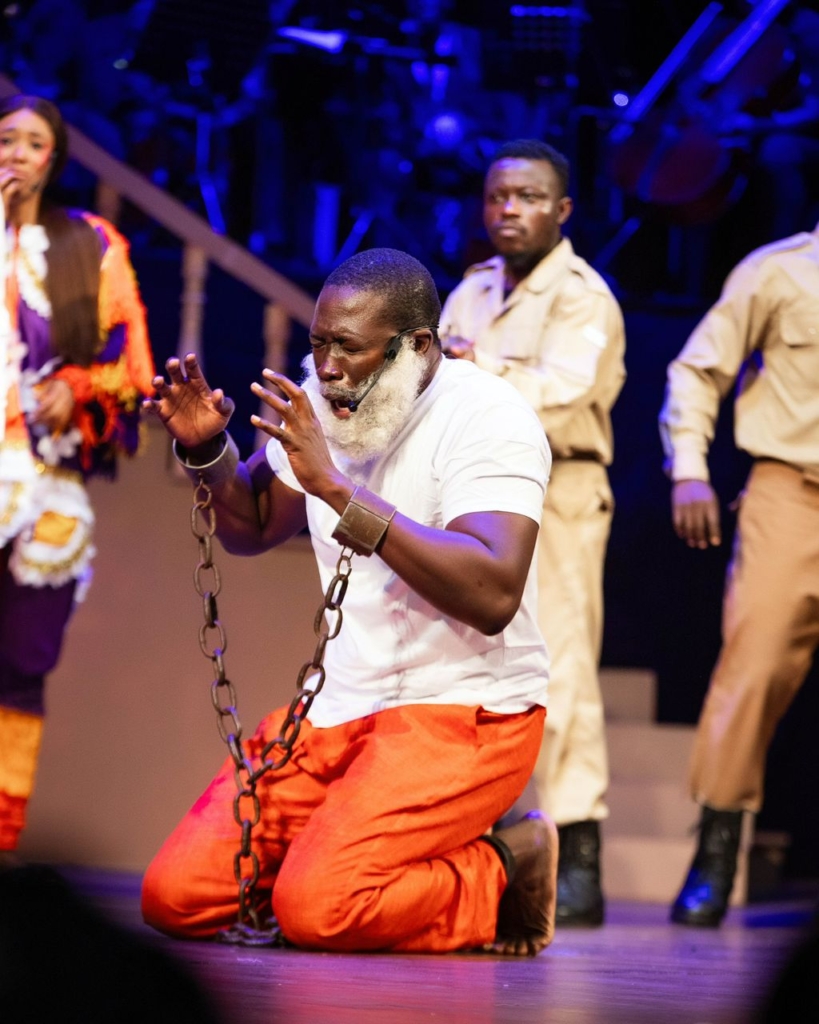
The central narrative revolves around Elesin Oba, the King's Horseman (played by renowned theatre star Andrew Tandoh Adote), who, by tradition, must commit ritual suicide to accompany his deceased King to the afterlife.
His decision is a matter of honour and cosmic balance, a profound cultural duty passed down through generations.
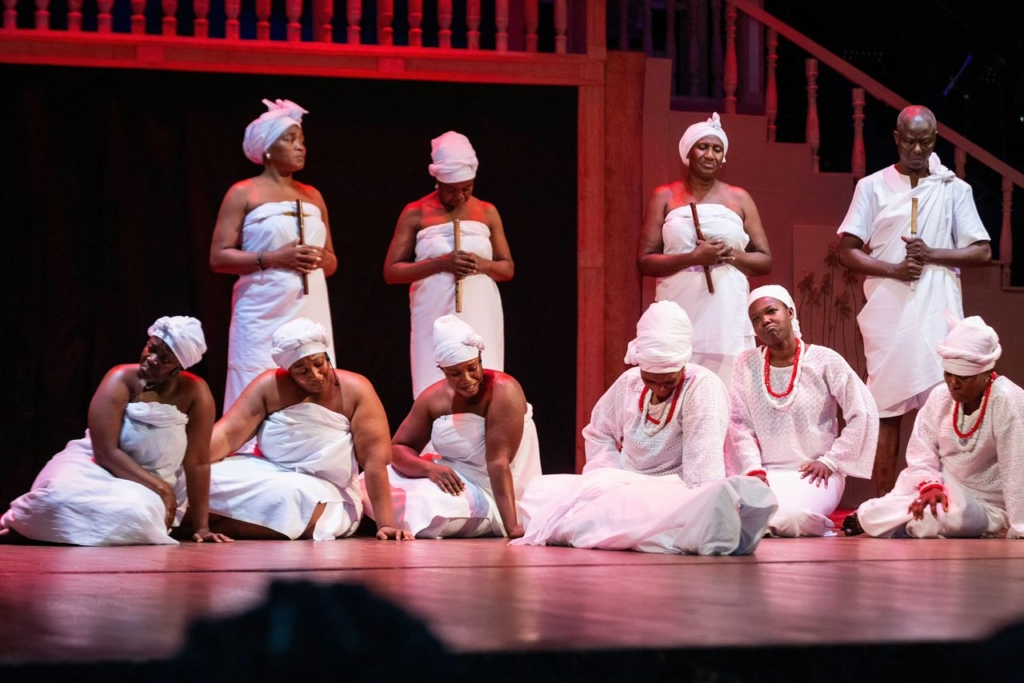
However, the tranquillity of this sacred rite is shattered by the arrival of British colonial officers.
The clash of these two worlds—Yoruba spiritual tradition and rigid colonial law—was portrayed with gripping tension.
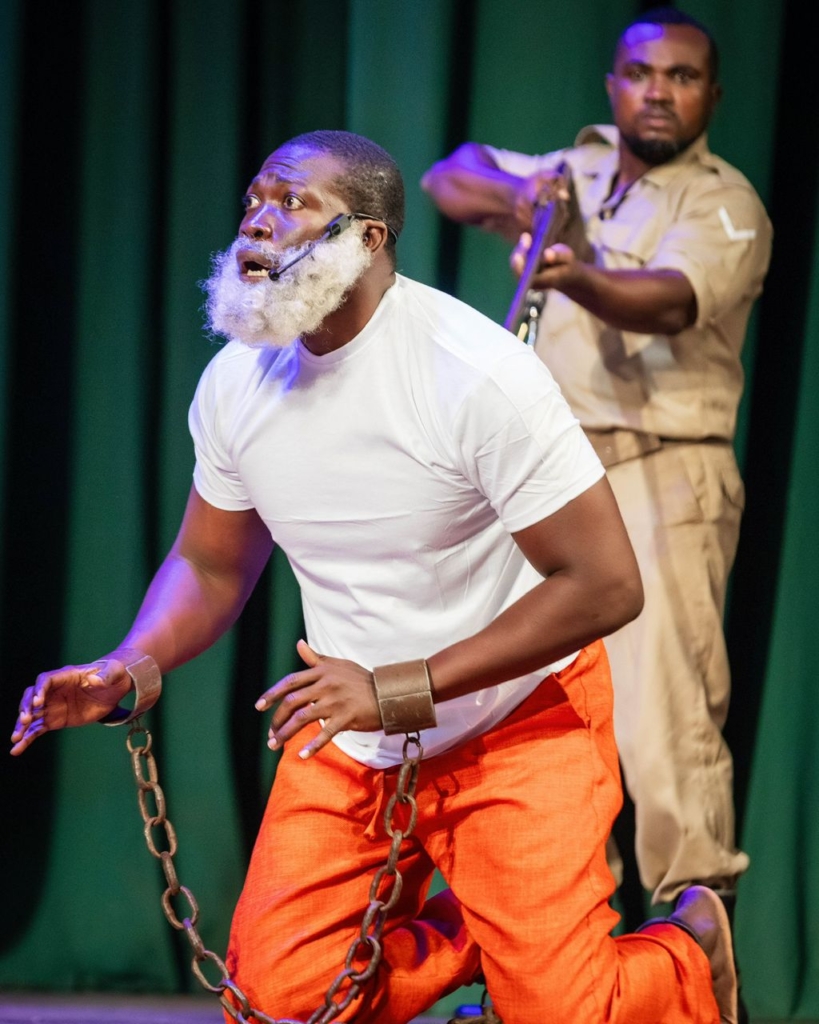
The British District Officer, Simon Pilkings, driven by a paternalistic and arrogant sense of duty, intervenes to prevent Elesin from fulfilling his destiny.
This conflict is the dramatic core of the play, highlighting the devastating consequences when one culture imposes its values on another, leading to a tragic breakdown of tradition.
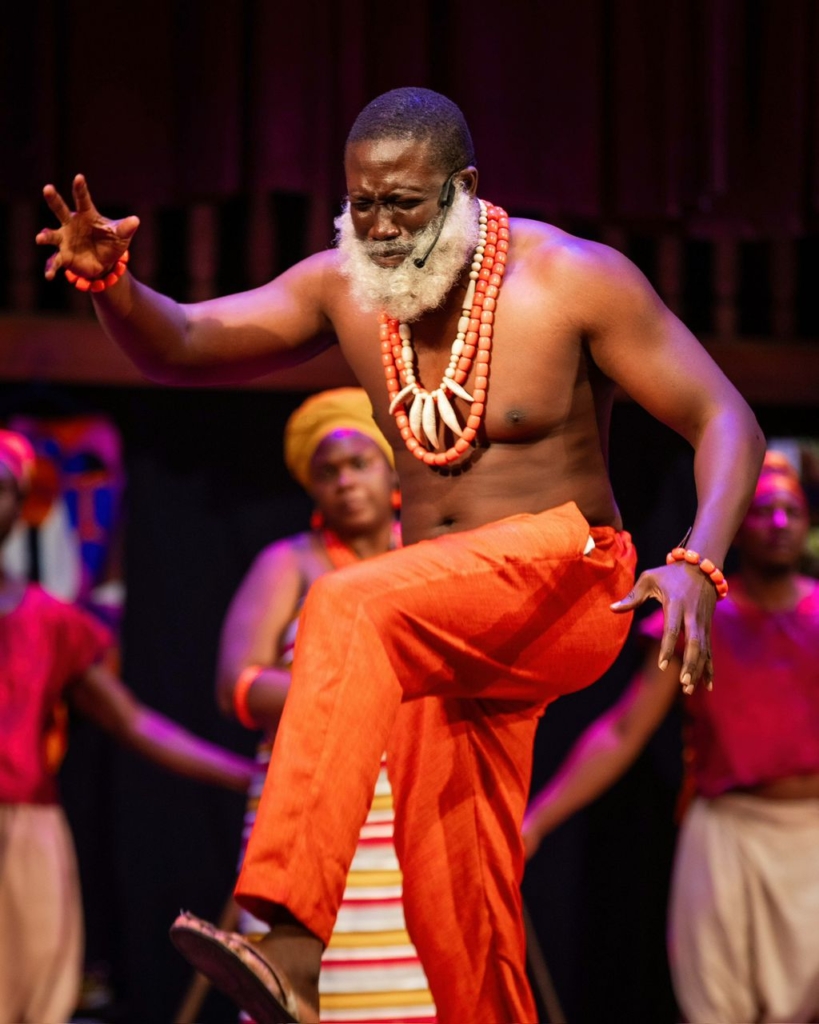
One of the most remarkable elements of the production was the dance choreography, masterfully orchestrated by Copenhagen-based Belarusian dance artist and choreographer Marianna Minasova.
Minasova skilfully wove together African and European movements, creating a mesmerising ballroom experience that was both captivating and symbolic.
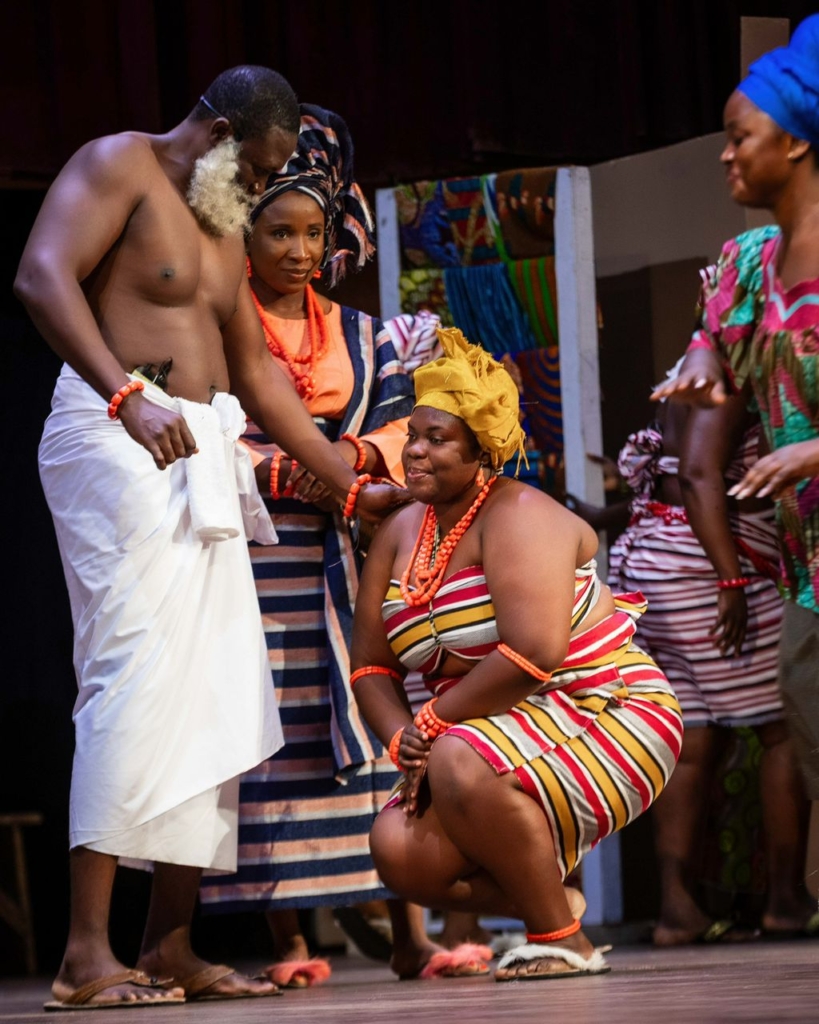
The dance sequences were not mere entertainment; they were a dynamic visual narrative that breathed life into the characters' emotions and the play's deeper meanings.
The National Symphony Orchestra and the National Dance Company also came with their A-game, with top-notch performances, making the play a beauty to behold.
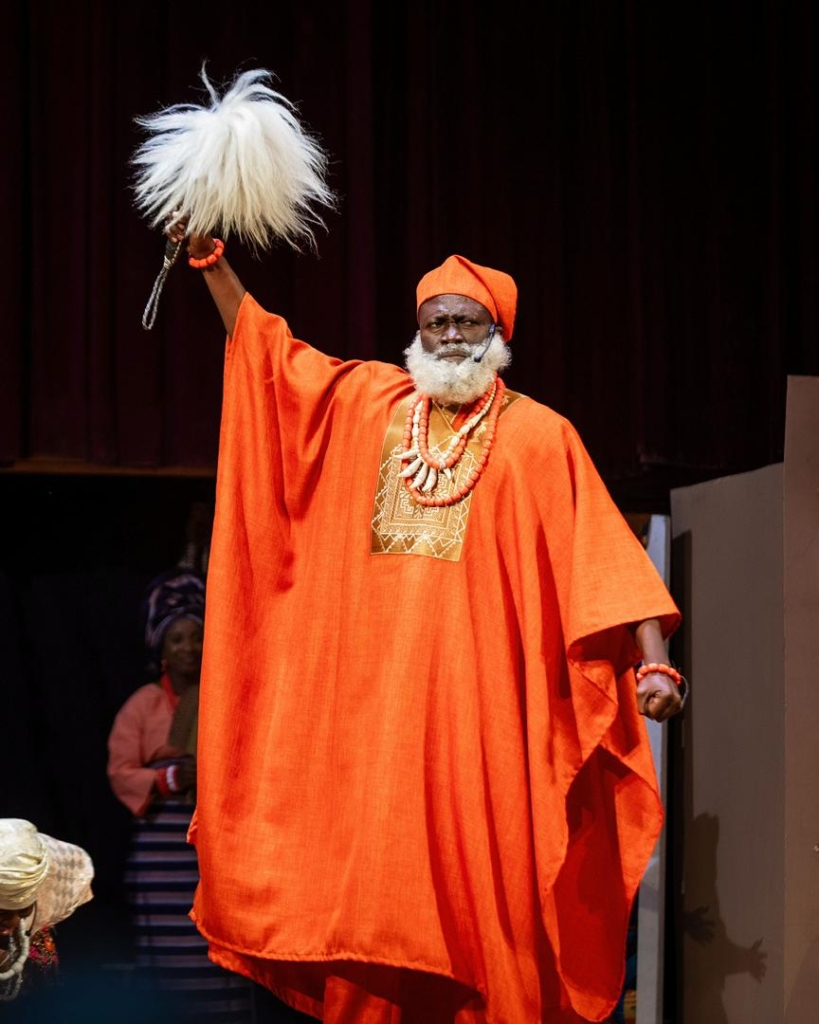
The cast, a brilliant blend of Ghanaian, European, and US talent, delivered unforgettable performances.
Andrew Tandoh Adote was at his best playing Elesin Oba, the pivotal character, and commanded the stage with a powerful blend of charisma, swagger, and inner turmoil characteristic of the actor who is the toast of Ghanaian theatre lovers.
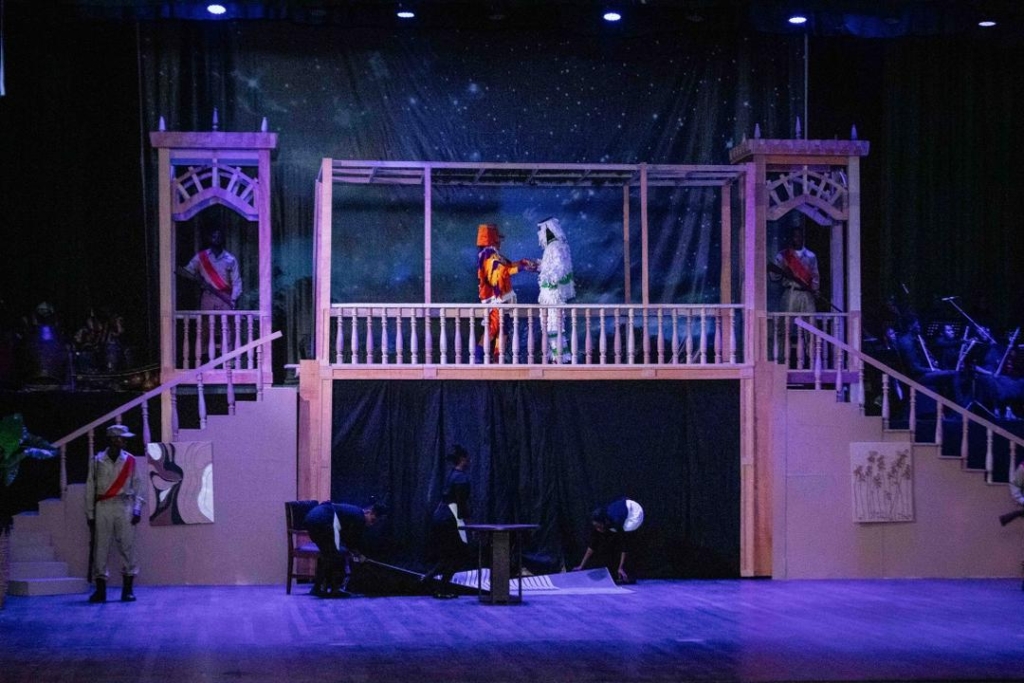
His tragic journey, from confident traditionalist to a man caught in an impossible bind, was deeply moving. The performers brought a raw, emotional intensity that captivated the audience from start to finish.
The climax of the show was a stunning display of theatrical prowess.
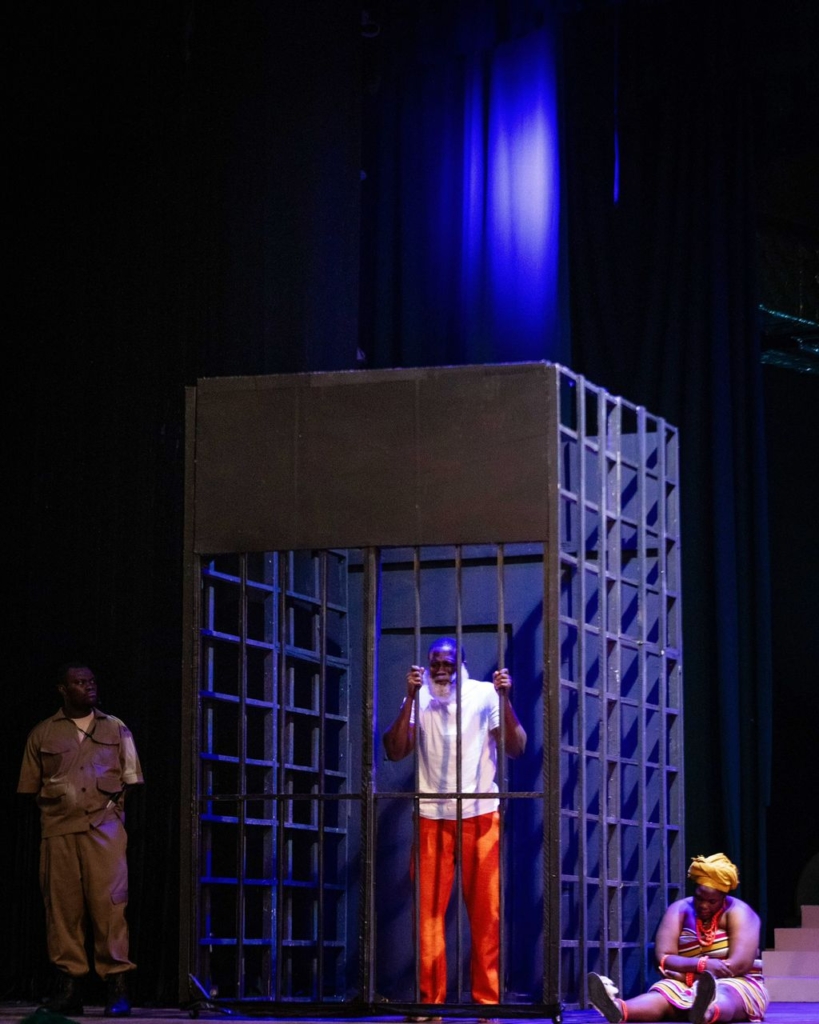
The stage was filled with a flurry of motion and emotion.
Actors, their faces painted with expressions of sorrow and resolve, moved with an almost primal energy, their bodies telling a story of grief, betrayal, and cultural defiance.
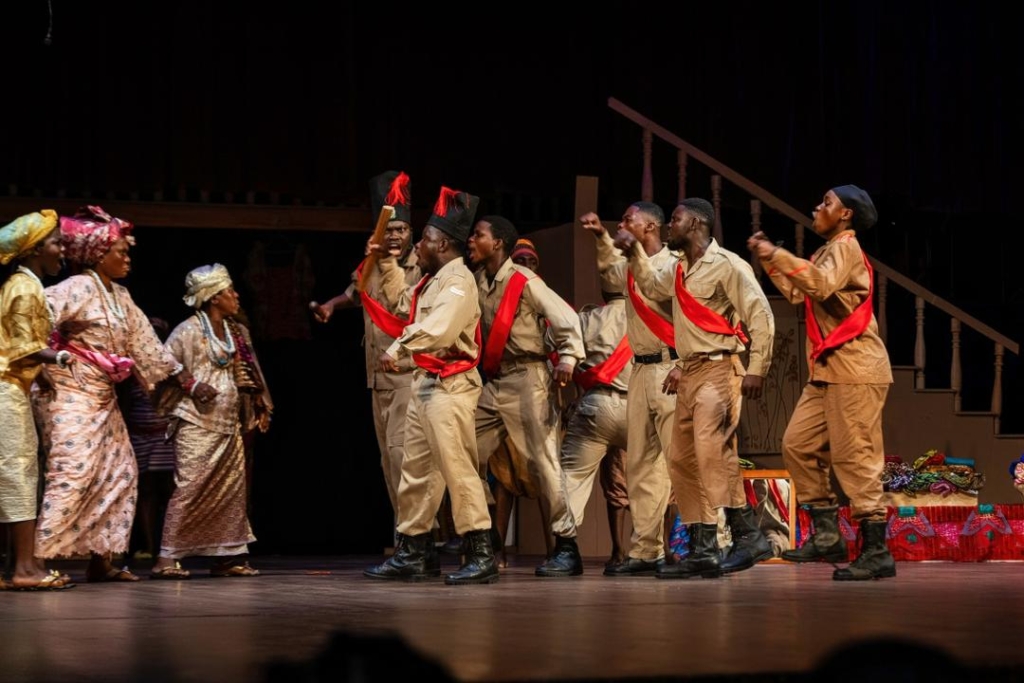
The intricate costumes and dramatic lighting enhanced the mood, creating a visual feast.
The production's modern Ghanaian relevance was palpable, resonating with a society still grappling with the legacies of colonialism and the ongoing struggle to balance traditional values with contemporary influences.
Ultimately, George Quaye's take on Death and the King's Horseman was a resounding success.
It was more than a performance; it was a powerful statement on tradition, destiny, and the human cost of cultural interference.

The production's blend of great acting, innovative choreography, and stunning visuals left theatre lovers with a renewed appreciation for African literature and the timeless power of the stage.
The standing ovation at the end of the night was a testament to a true theatrical masterpiece.
Amos Lawson, a theatre enthusiast, shared his joy with MyJoyOnline after the performance.
“It is one of the best shows I have seen in recent years, and I hope to see more in the coming months.”
Adjoa Amissah, a 55-year-old entrepreneur who watched the show in the company of two of her friends, commented:
“I haven’t had this much fun in a long time. It was entertaining and fun-packed, and I am glad about the revival of theatre plays in Ghana. With young directors like George Quaye, the future looks bright for Ghana theatre arts.”

Latest Stories
-
I told EOCO to arrest Manhyia South MP – Mustapha Gbande
3 minutes -
2028 election will be a combination of strategy and ‘buga’ – Miracles Aboagye
4 minutes -
Bombs preventing rescue of kidnapped youths, Nigerian police say
13 minutes -
Flydubai co-pilot planned to crash plane into Tel Aviv airport or building, reports say
14 minutes -
National security must be built beyond Accra – Muntaka
14 minutes -
Ghana bans preaching on buses with jail terms for offenders
14 minutes -
Twelve arrested for allegedly running cat trafficking ring in Vietnam
28 minutes -
Kojo Bamba could be a chairman in the NDC any day without competition – Miracles Aboagye
30 minutes -
Photos: Vice President Jane Naana Opoku-Agyemang at the Ghana Teacher Prize 2026
35 minutes -
GoldBod Jewellery opens new showroom in Takoradi to promote gold value addition
52 minutes -
National Cathedral site handed back to government pending AG’s review – Mahama Ayariga
53 minutes -
Gov’t outlines measures to expand access to affordable housing as Ghana marks World Habitat Day
54 minutes -
Ghana AI Summit 2027 set for Accra in March
57 minutes -
GoldBod to sell spot dollars to banks twice a week under new FX framework
59 minutes -
‘No vacancy’ notice was administrative, not policy to halt national service – Parliament
1 hour