

Audio By Carbonatix
The Deputy Minister of Finance, Thomas Nyarko Ampem, has issued a direct appeal to striking nurses and midwives, urging them to return to the negotiation table.
The Ghana Registered Nurses and Midwives Association (GRNMA) commenced an industrial action on Tuesday, June 4, which has brought vital healthcare services across over 300 public hospitals and clinics in all 16 regions to a near standstill.
Thousands of patients have been left stranded, with emergency units operating minimally and scheduled surgeries postponed indefinitely.
The nurses and midwives initiated the strike over what they describe as prolonged delays in the implementation of their 2024 Collective Agreement, which addresses critical conditions of service and remuneration.
While acknowledging their indispensable role in healthcare delivery, the Deputy Minister emphasised the severe budgetary constraints facing the nation, stating that fully meeting the nurses' current demands would add "in excess of GH¢2 billion" to the national compensation budget.
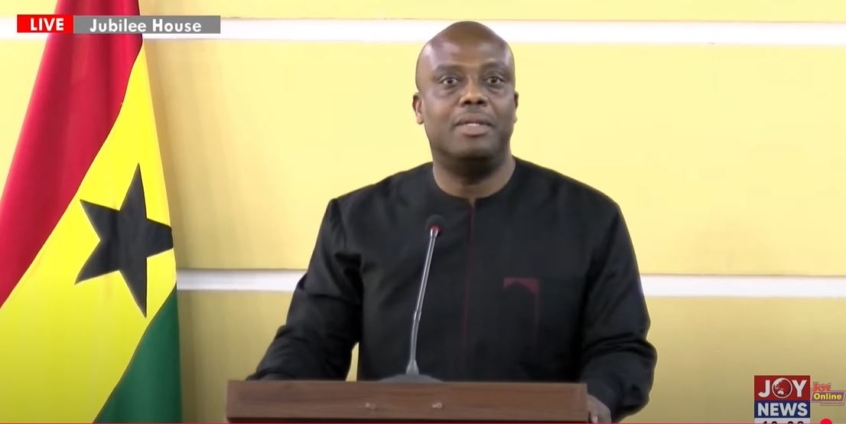
Speaking at a joint press briefing with the Minister of Health today, Mr. Nyarko Ampem conveyed the government's commitment to resolving the industrial action, recognising the critical importance of Ghana's over 120,000 nurses and midwives to the health sector.
"Our nurses are very, very critical to healthcare delivery, and we appreciate what they do," he stated.
However, the Deputy Minister quickly pivoted to the challenging economic realities.
He explained that the magnitude of the nurses' demands for improved conditions of service poses a significant threat to the government's fiscal consolidation efforts.
A GH¢2 billion increase in the compensation budget represents a substantial financial burden, potentially consuming a significant portion of the annual budget allocated for essential services or capital investments.
For context, this figure could account for over 10% of the health sector's entire annual budget or fund multiple crucial infrastructure projects.
Mr. Nyarko Ampem underscored the government's overarching commitment to macroeconomic stability, particularly under the ongoing IMF Extended Credit Facility programme.
"We have all committed that in our resolve to reset the economy of this country, we must maintain a 1.5% primary balance surplus every year in order to bring our debt levels to sustainable levels," he highlighted.
Ghana's public debt-to-GDP ratio remains a concern, hovering around 75%, making stringent expenditure management paramount to avoid further debt distress.
"So it is important for us to manage expenditure," he stressed, appealing to the healthcare professionals to understand the broader economic context.
"We want to appeal to our revered nurses that we are willing to negotiate to settle them and the Ministry of Health to agree on a road map that will help us incorporate what can be accommodated in the budget for next year."
The Deputy Minister expressed optimism that the nurses appreciate the government's "hard work we are all doing to manage the economy better," urging for a collaborative approach to achieve a "win-win situation for all of us."
The proposed roadmap suggests a phased implementation of new conditions of service, likely spread across multiple budget cycles, to ensure fiscal prudence while addressing the legitimate concerns of the healthcare workforce.
Latest Stories
-
Ghana’s Starlets step up training ahead of second friendly with Morocco
39 minutes -
COCOBOD says $1.4bn domestic funding is a strategic shift, not market exclusion
1 hour -
Richmond Quarcoo appointed Ghana’s Chef de Mission for 2028 Olympics
2 hours -
‘Our missing players are more important’ – Gambia coach fires shot at Ghana
3 hours -
Today’s front pages: Tuesday, September 29, 2026
3 hours -
Ghana ‘showing up differently’ on global stage – Joyce Bawah Mogtari
4 hours -
Ghana’s tuna industry in crisis as 20 hook-and-line vessels collapse
4 hours -
South Tongu MP launches apprenticeship programme for 159 young people
5 hours -
The Pusiga connection behind Gertrude Atongi’s work in New York
5 hours -
Teachers took promotion exams in December to beat government clearance deadline – GNAT
5 hours -
NPA launches 2026 staff welfare week with focus on teamwork and employee wellbeing
5 hours -
Ghana, Saint Kitts and Nevis sign labour deal to strengthen protections for Ghanaian nurses
5 hours -
Delayed promotions put teachers’ retirement benefits at risk – GNAT
5 hours -
No ‘Bawumia candidates’ in NPP executive elections – Anthony Karbo
5 hours -
Over 3,000 displaced as flooding overwhelms Hohoe communities
5 hours