

Audio By Carbonatix
Ghana has introduced a National Compendium of Child Labour Indicators to standardise the measurement, reporting, and monitoring of child labour across sectors.
The initiative is intended to strengthen evidence‑based policy and interventions nationwide and complements ongoing efforts to operationalise the Ghana Child Labour Monitoring System (GCLMS), which is designed to support the identification, referral, and tracking of child labour cases across the country
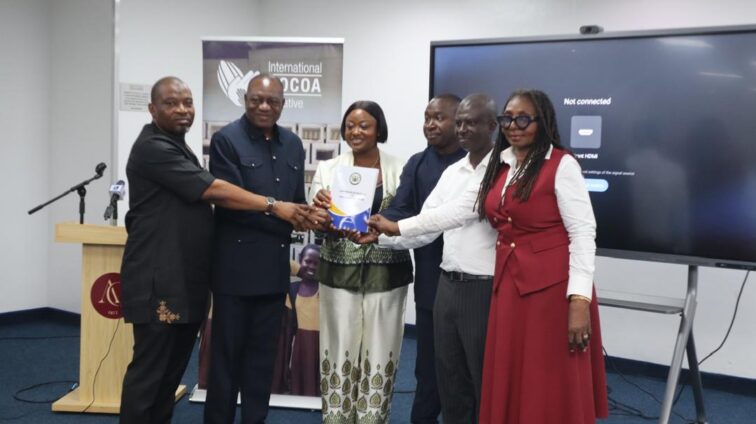
Launching the compendium, the Minister of Labour, Jobs and Employment, Dr Abdul‑Rashid Pelpuo, described the document as a critical policy and operational tool for tackling child labour.
“This document establishes a common reference point for all stakeholders and will guide policymakers in evidence‑based decision‑making, while supporting effective monitoring and evaluation,” he said.
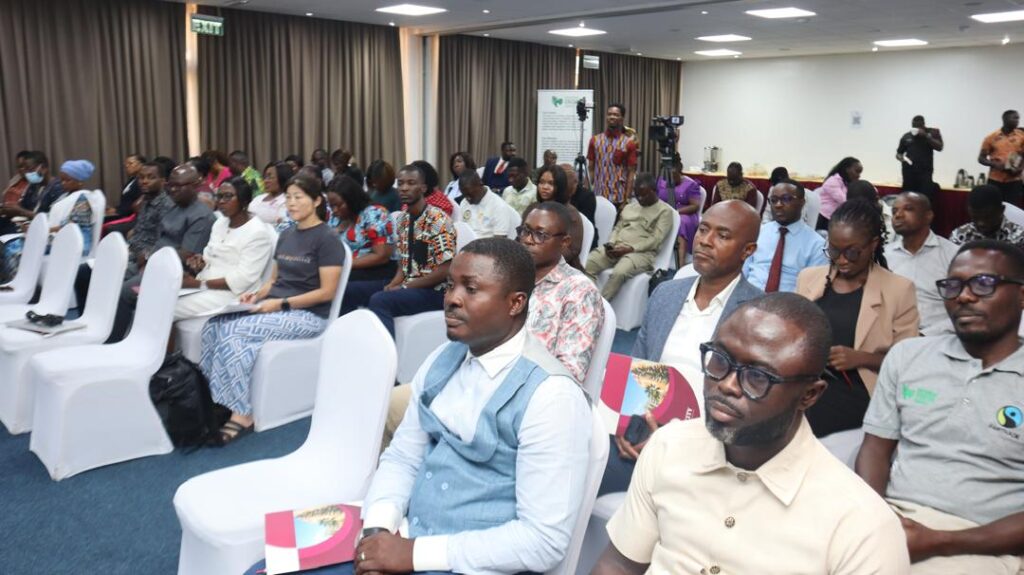
The compendium, developed with the International Cocoa Initiative (ICI) and partners, provides a harmonised framework of indicators, including statistical definitions, key variables, and measurement criteria, to ensure consistency in data collection and reporting.
It is expected to serve as a central reference for government institutions, civil society organisations, and development partners, while improving coordination and comparability of data at national and international levels.
Dr Pelpuo noted that the compendium aligned with Ghana’s commitments under the Sustainable Development Goals, particularly the target to eliminate child labour.
He urged ministries, departments, agencies, and partners to integrate the indicators into their reporting systems.

Country Director of ICI Ghana, Mike Arthur, said the compendium addresses the longstanding challenges of inconsistent data.
“This is closing a very important gap because we can now ensure that data used across reports is collected in the same manner,” he said.
The Acting Chief Labour Officer, Dauda Braimah, added that the indicators would enable Ghana to better define and track its own progress.
“It means that we can tell our own story and guide how we measure child labour going forward,” he said.
The compendium forms part of broader national and international efforts to eliminate child labour, particularly in high‑risk sectors such as agriculture, through improved data systems and coordinated action.
Latest Stories
-
Trump says he is considering firing US ambassador to Greece
3 hours -
Man City bananas ‘brought fun back’, says Varadi
3 hours -
Meta releases Muse Wonder AI models to challenge Anthropic and OpenAI
3 hours -
Daily Insight for CEOs: The CEO as Chief Decision Maker
3 hours -
Burnham had formal meeting with Man City chair while mayor
3 hours -
Is Ghana producing too many lawyers? What is the best lawyer-to-citizen ratio?
3 hours -
NDC sinking Ghana’s democracy with Emelia Agbenyo’s appointment – Miracles Aboagye
3 hours -
Seedorf back in football as Corinthians head coach
4 hours -
Hincapié and Zubimendi injured in post-match training session
4 hours -
Fridges in French supermarkets hit by cyberattack
4 hours -
Qantas flight grounded after bedbug outbreak
4 hours -
Reality Zone with Vicky Wireko: International Day of the Girl, shaping today’s girl for tomorrow’s future – ZONTA Clubs lead the way
4 hours -
Global health must be led by countries, not designed for them – Mintah Akandoh
5 hours -
Mahama honoured at 2026 World Health Summit in Berlin for global health leadership
5 hours -
Breast cancer is not a death sentence – Besease Kontire Obaapanin, Magmina Foundation lead awareness campaign
5 hours