

Audio By Carbonatix
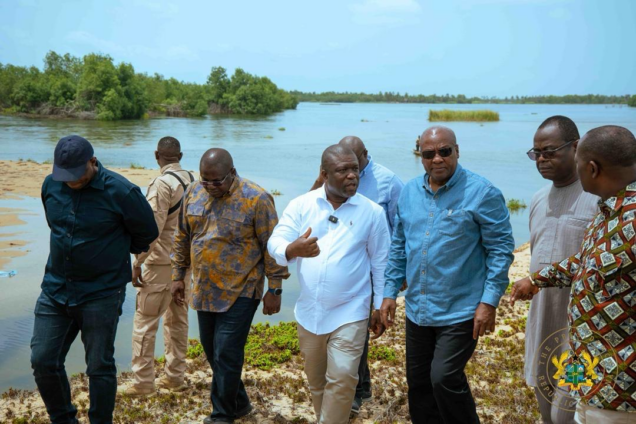
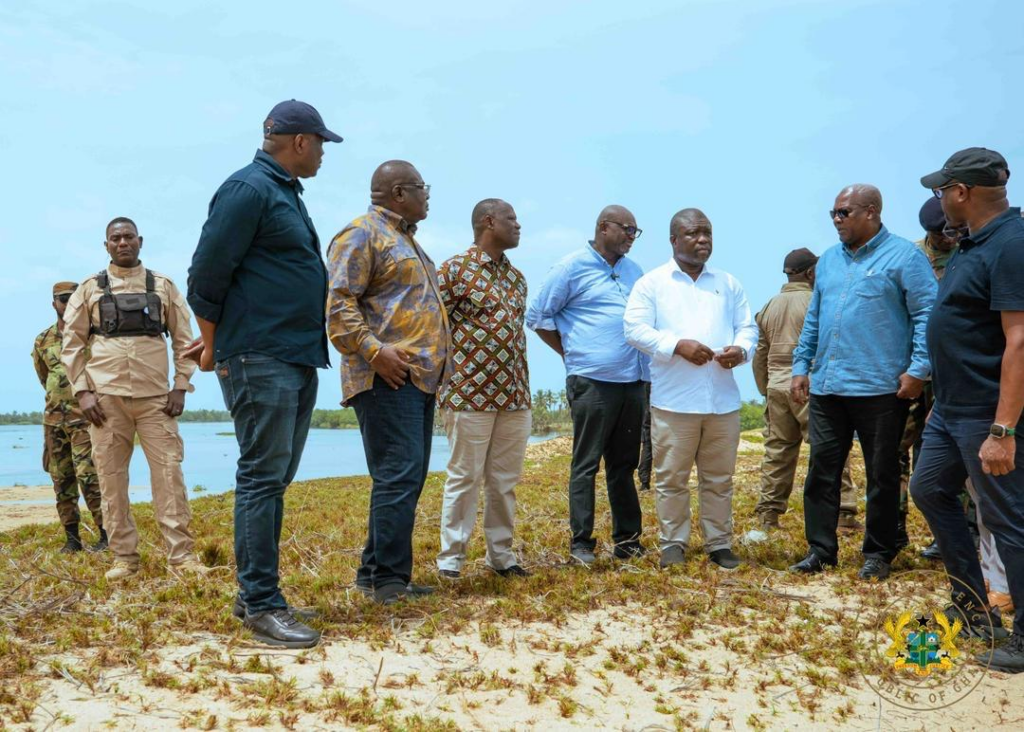
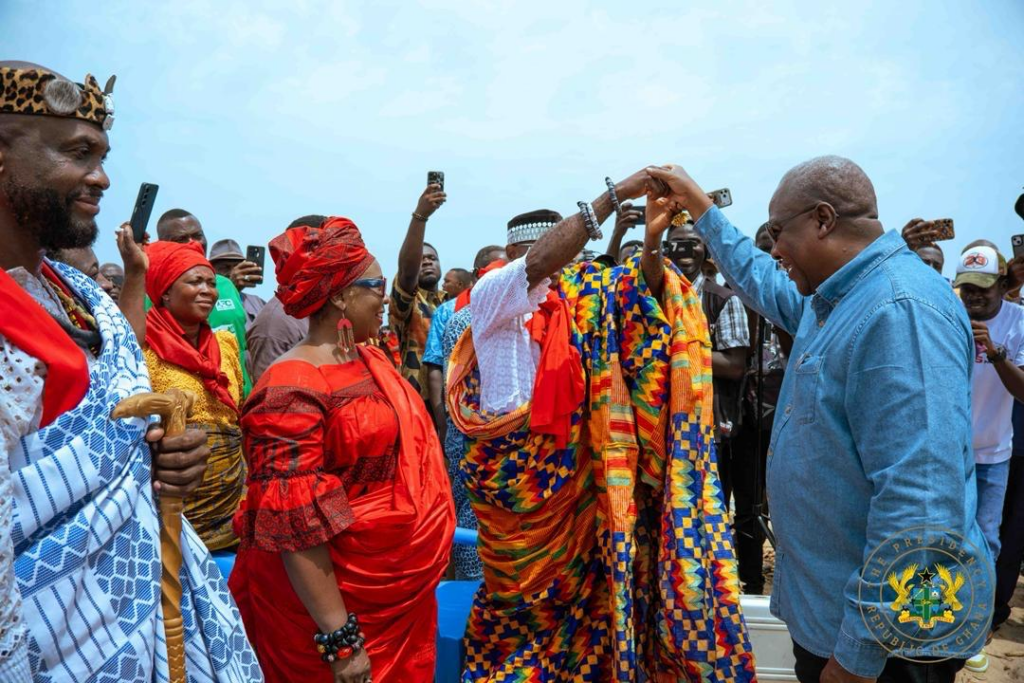
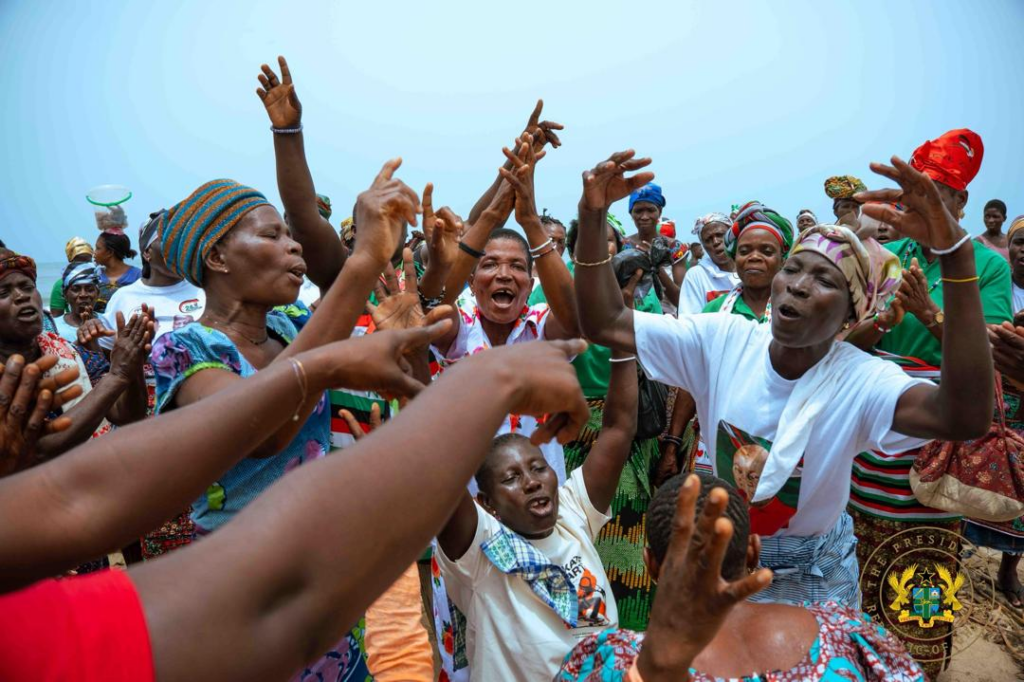
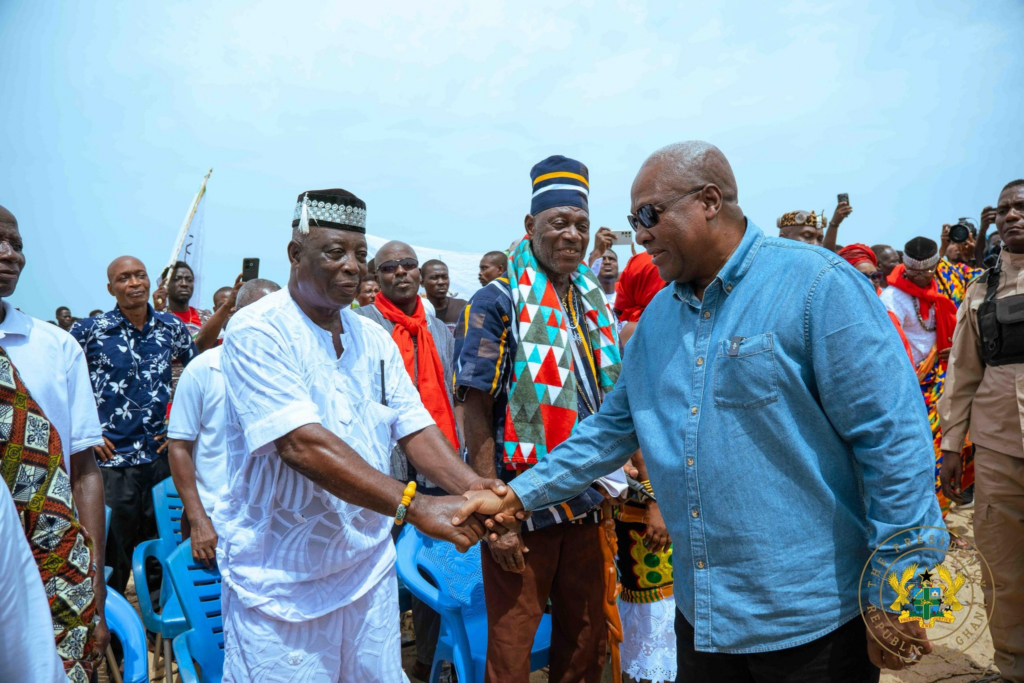
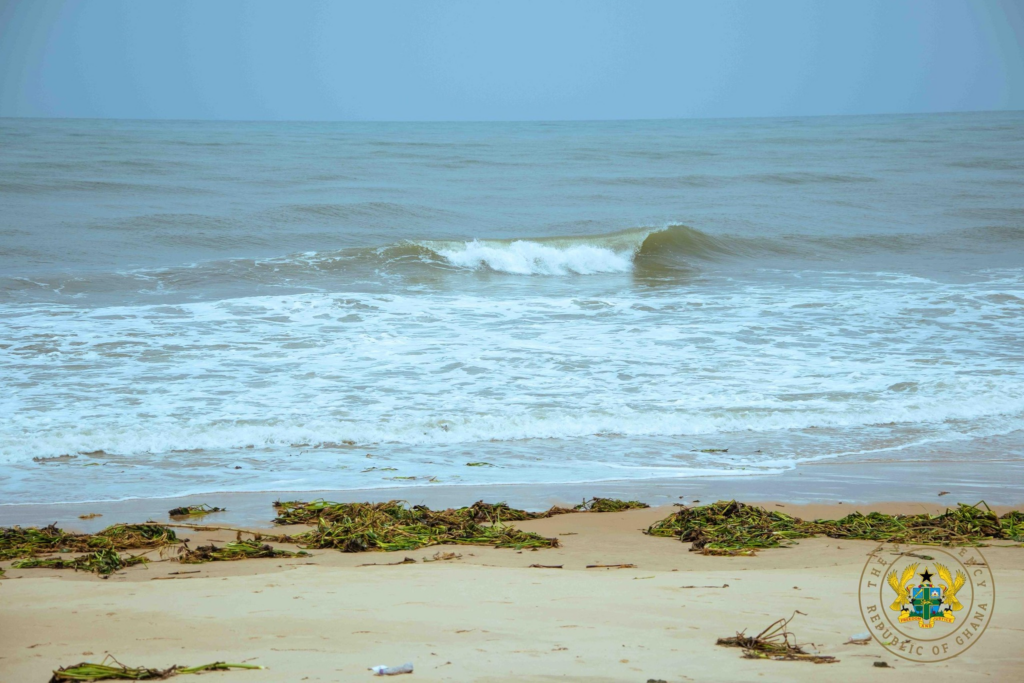
President John Mahama says construction works under the West Africa Coastal Areas (WACA) project are expected to begin soon, assuring residents that efforts are being made to speed up implementation to address ongoing coastal erosion challenges.
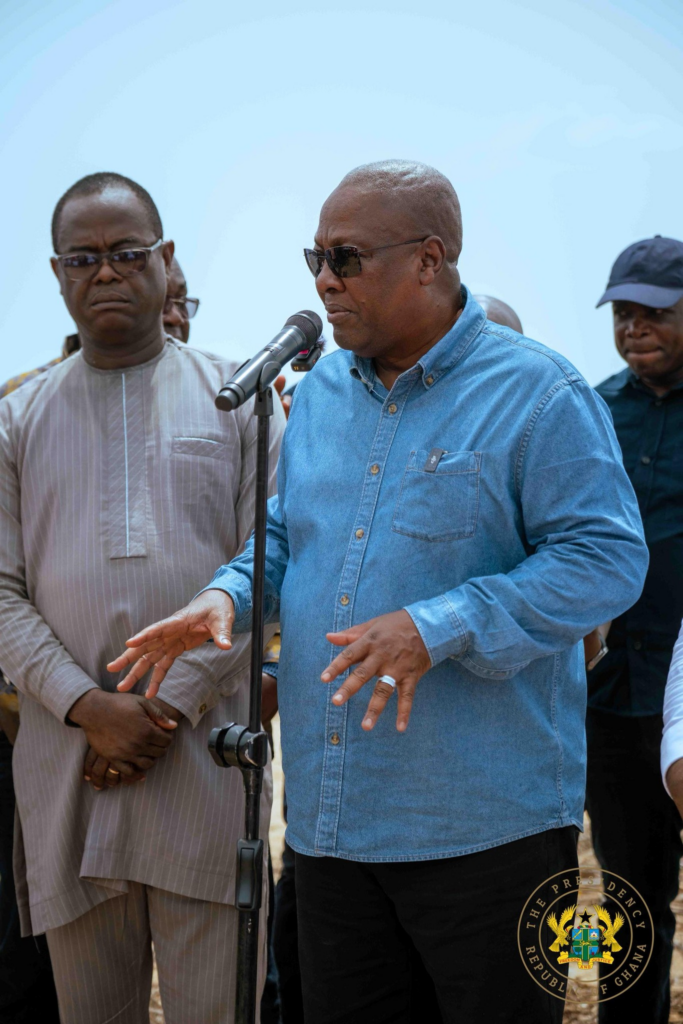
“Very soon, you’ll see that work will start on your coastal area,” he said during a visit to affected communities in the Volta Region emphasising government’s commitment to fast-tracking the project.
He explained that the project is already advanced through key preparatory stages, noting, “The feasibility study is finished.
They are at the design stage. After the design stage, they’ll do the procurement. That is the actual construction of the WACA project.”
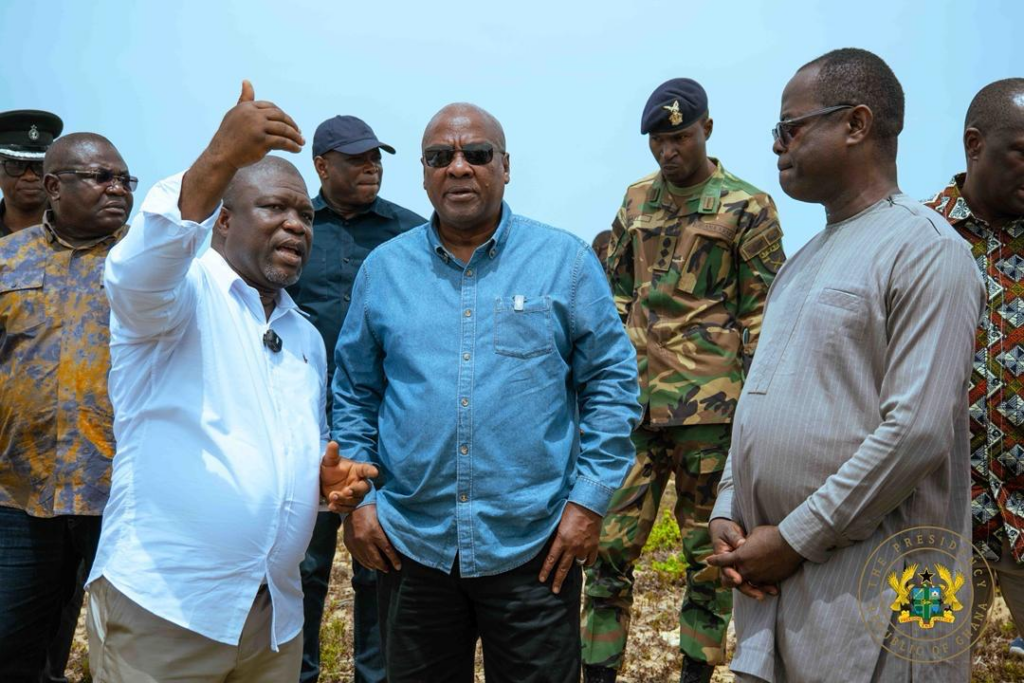
The WACA project, supported by the World Bank with a funding envelope of $150 million, is designed to protect vulnerable sections of Ghana’s coastline stretching through areas including Ketu South and parts of Anloga.
Planned interventions include the construction of sea defence structures, installation of groynes to reduce wave impact, and ecosystem-based measures such as mangrove restoration and coconut tree planting to stabilize the shoreline.
Explaining the engineering approach, he said, “There’s going to be sea defence, and they’re also going to be groynes built into the sea to break the currents, the strong waves, so that it will come back to the coast in a very gentle manner.”
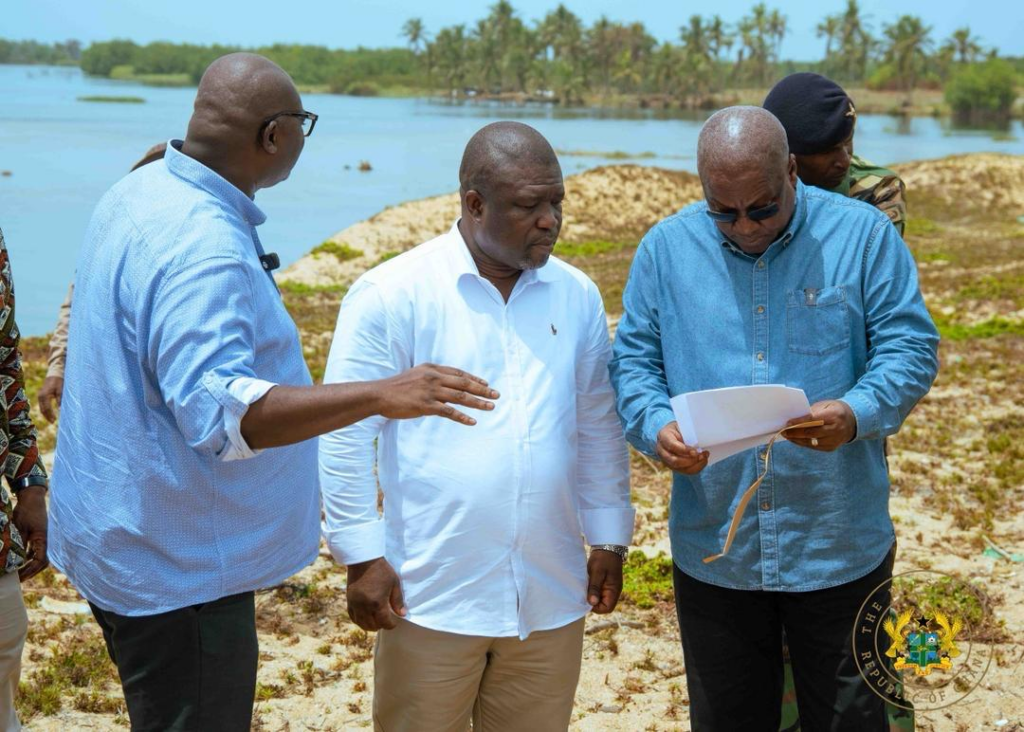
He also talked about nature-based solutions, adding, “There will also be planting of coconut trees on the beaches in order to stabilize the soil. They would also help with planting of mangroves in the estuary to defend the land against the sea’s encroachment.”
According to him, the project had experienced delays in 2024 due to the election period, but has since resumed. He stressed that funding for the initiative remains protected, stating, “So your money is safe, and the project is going to go on.”
He further clarified that while some World Bank-funded projects had been repurposed, the WACA allocation was preserved to ensure continuity of coastal protection works.
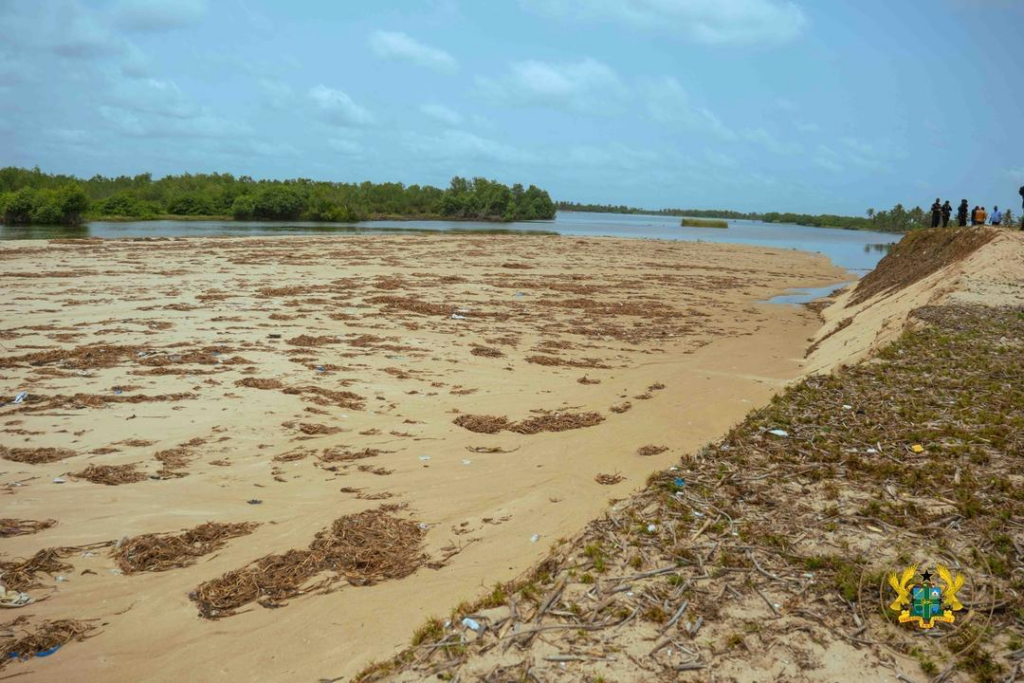
As part of interim measures, the government intends to work with the Volta River Authority (VRA) to dredge the estuary to ease pressure on the coastline.
“Normally, when the estuary is silted, it looks for ways to join the sea in other places,” he explained. “If we dredge it, it allows more water to flow out into the sea.”
He added that these short-term interventions are intended to reduce immediate impacts while awaiting the full rollout of the WACA project.
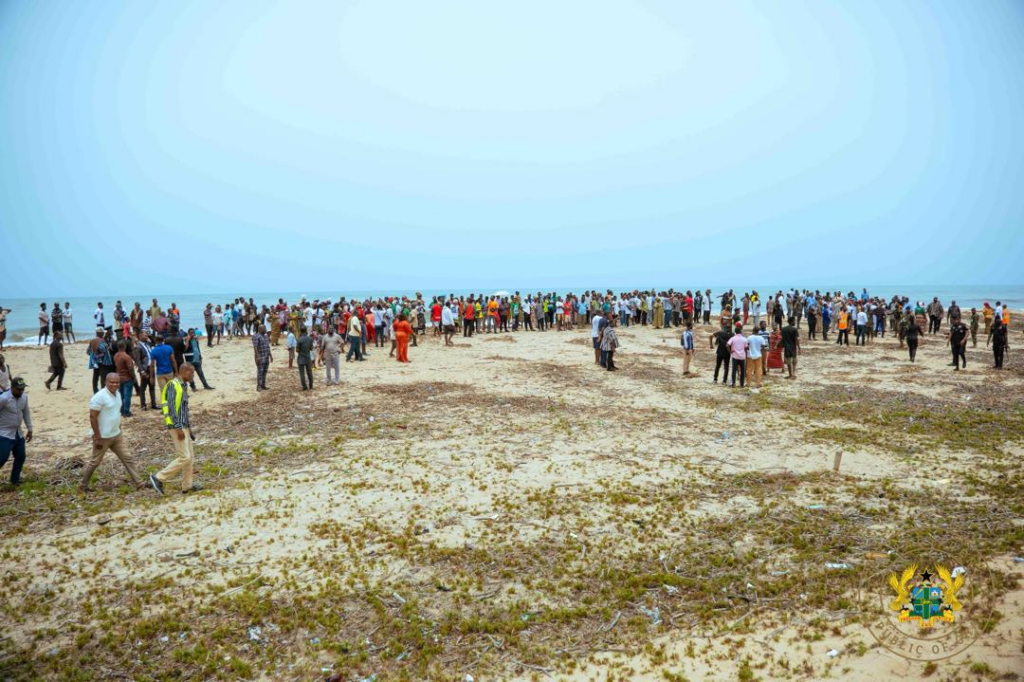
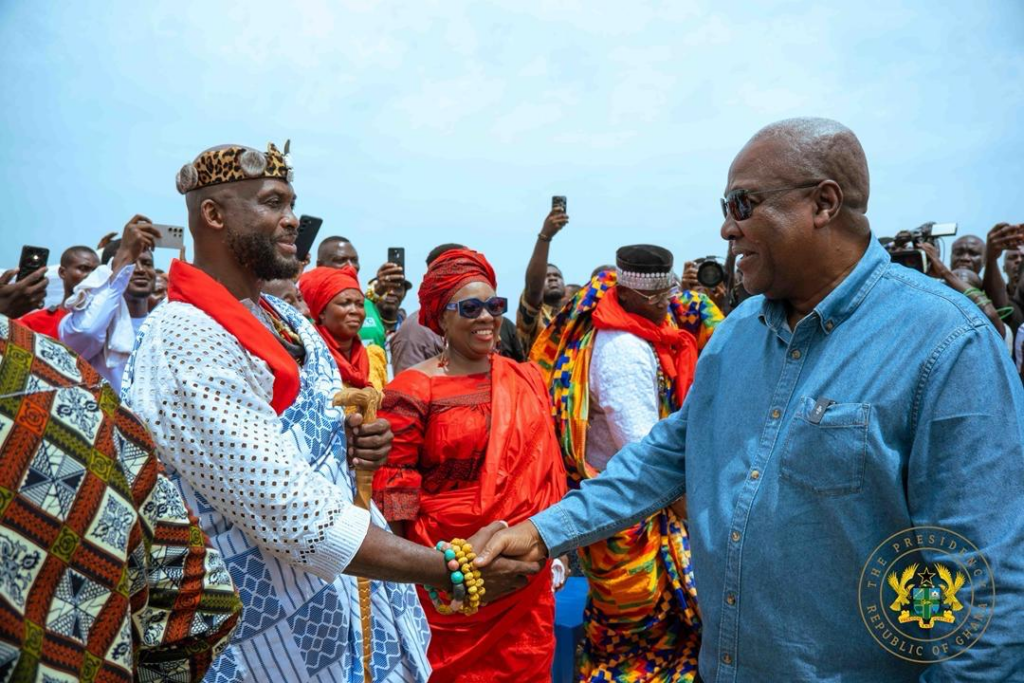
The President concluded by urging cooperation from residents, saying the government remains committed to delivering long-term solutions to coastal erosion.
Latest Stories
-
Health investment beginning to improve access to care – Akandoh
6 minutes -
“It is meaningless” – Parent laments as teachers’ strike leaves boarding school students idle
7 minutes -
Austin Gamey predicts possible end to teachers’ strike, urges better negotiation
10 minutes -
Mahama and Trade Minister champion local manufacturing during Ghato Foods visit
11 minutes -
Labour Minister, ILO Country Director strengthen partnership on decent work and jobs
11 minutes -
Approved vaccine to be rolled out in Upper West next week-GHS
15 minutes -
Fear, institutional bias and lack of support deter domestic abuse victims from reporting – Lawyer
18 minutes -
Yellow fever outbreak is under control – Health Minister
19 minutes -
Communication Minister Sam George called to the Bar
25 minutes -
Kenteman’s Kentemusic weaves ‘Kente Love’
26 minutes -
Former JoyNews journalist Richard Kwadwo Nyarko called to the Bar
45 minutes -
Chopmoney Bookkeeping seeks to simplify bookkeeping for Ghana’s small businesses
48 minutes -
Beyond word of mouth: Bizella’s bid to build trust in Ghana’s services market
55 minutes -
Former JoyNews journalist Ayisha Ibrahim called to the Bar
1 hour -
Counting performances of the Black Stars – at the doom stage?
1 hour