

Audio By Carbonatix
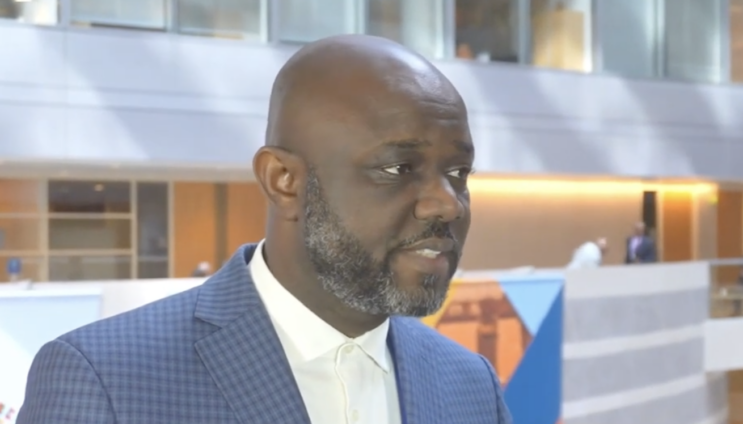
The Executive Director of the Africa Centre for Energy Policy (ACEP), Benjamin Boakye, has called for deep structural reforms in Ghana’s power sector, insisting that leadership changes alone cannot resolve the sector’s persistent challenges.
His comments come in the wake of recent leadership changes within the Electricity Company of Ghana in the Ashanti Region, following repeated complaints over intermittent power outages affecting residents and businesses.
Speaking on Joy FM’s Top Story on Monday, April 27, Mr Boakye said the power sector is a complex system that requires both technical and behavioural reforms, rather than isolated administrative reshuffles.
He explained that many of the challenges facing the sector stem from long-standing institutional weaknesses rather than the actions of specific individuals.
“The power sector is a system, and we need to always address systemic problems in the sector, many of which are technical and attitudinal,” he said.
Mr Boakye stressed that reforms must focus on strengthening institutional systems, improving accountability, and building a culture of professionalism across energy agencies.
According to him, inefficiencies within key institutions often reflect deeper operational and cultural problems that have accumulated over time.
“In these institutions, there is negligence that goes beyond specific individuals. We need a culture that ensures people are properly prepared and consistently deliver value to Ghanaians,” he noted.
He also raised concerns about recurring infrastructure challenges in the sector, describing them as evidence of systemic gaps in planning, maintenance, and risk management.
“I struggle to understand how infrastructure handling significant power loads could fail the way it did. It shows there are systemic gaps,” he said.
Mr Boakye argued that effective management of the power sector requires engineers, managers, and technicians to anticipate risks and adopt preventive measures.
“If you are an engineer, a manager, or a technician in that space, you must anticipate risks so you can put in place the necessary mitigation measures,” he stated.
He further called for thorough investigations into the Akosombo fire incident, stressing the need for accountability to improve service delivery.
“We cannot keep having these situations and move on as though nothing happened. People must be accountable for how they execute their duties,” he said.
Mr Boakye also highlighted the importance of modern safety and monitoring systems in energy infrastructure, noting that fire detection and suppression systems should be standard practice.
Latest Stories
-
Gold edges lower with focus on Fed minutes, rate path clues
53 minutes -
Oil prices rise as storms and air strikes threaten supply
1 hour -
Nigeria nears 2,000 repatriations from South Africa after latest evacuation flight
1 hour -
‘I never gave up’ – Abanga Fusani reflects on journey to NPP Youth Organiser victory
2 hours -
World Bank maintains Ghana’s growth rate forecast at 4.8% in 2026
2 hours -
Cedi was worst African currency in quarter 2, 2026 – World Bank
2 hours -
US death row inmate Christa Pike awake and speaking after failed execution, lawyers say
2 hours -
AI gains can lift three times as many people out of poverty in Ghana – World Bank
3 hours -
Scammers target ECG customers with fake meter sales and MoMo payment calls
4 hours -
Abanga Fusani credits hard work and consistency for NPP Youth Organiser victory
4 hours -
We did not take security issues seriously – Abanga Fusani reflects on NPP’s 2024 election loss
5 hours -
Nigeria’s Dangote refinery aims to draw more retail investors than Aramco IPO, CEO says
5 hours -
Banker in court for allegedly stealing GH¢1 million
5 hours -
Police arrest suspect over jewellery theft during fire outbreak
5 hours -
EOCO returns Hanan’s £6,700, GH¢2,750 and devices after defence challenge
5 hours