

Audio By Carbonatix
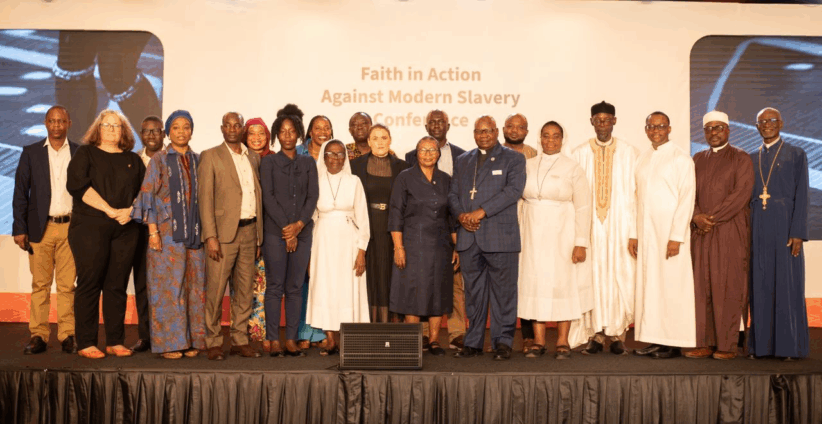
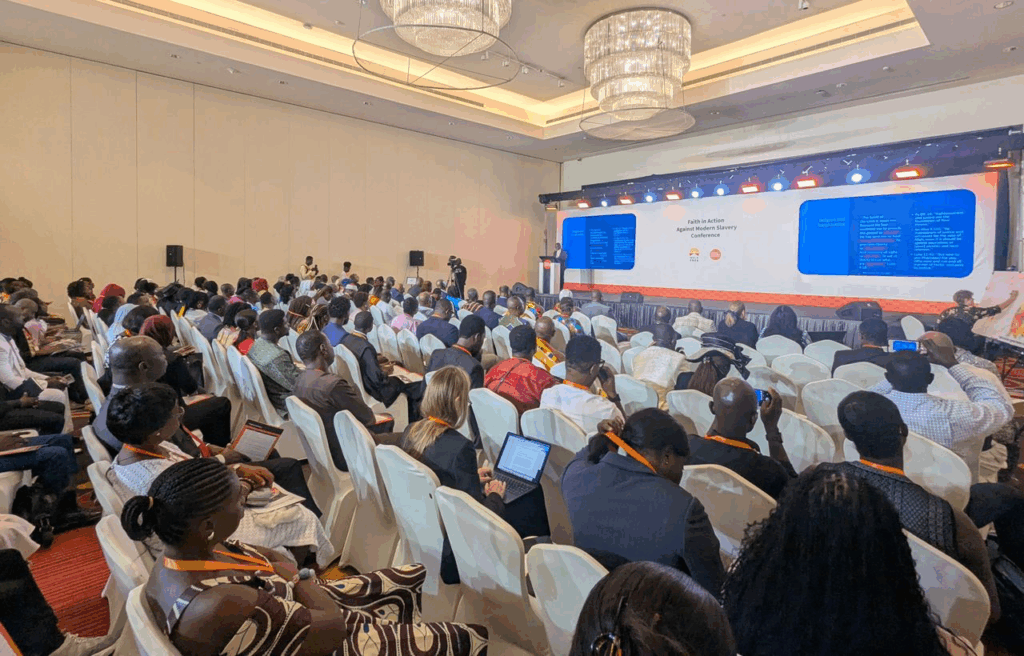
The Global Freedom Network (GFN) will host its landmark Faith in Action Against Modern Slavery Conference on Wednesday, marking 10 years of dedicated interfaith advocacy to end modern slavery around the world.
Held in Accra, Ghana, the conference will bring together a powerful coalition of survivors, religious leaders, civil society, and government officials to reflect on a decade of progress and commit to renewed action in the global fight against exploitation.
As in other parts of the world, modern slavery impacts countries across Africa, with the latest Global Slavery Index estimating that 7 million people on the continent are living in conditions of forced labour or forced marriage.
This widespread injustice is driven by a combination of conflict, poverty, and climate-related displacement, all of which were exacerbated by the economic fallout of the COVID-19 pandemic.
The conference in Accra will spotlight the vital role that faith communities play in addressing the systemic drivers of exploitation and protecting vulnerable communities, with a focus on amplifying survivor voices, promoting interfaith collaboration, and strengthening global partnerships.
The Global Freedom Network is the faith-based arm of Walk Free, an international human rights group working to accelerate the end of all forms of modern slavery.
The Global Freedom Network was established in 2014 as a pioneering initiative to unite faith leaders across the world in the fight against modern slavery. It began with the Joint Declaration of Religious Leaders Against Modern Slavery, signed at the Vatican by representatives of major world religions —including Christianity, Islam, Hinduism, Buddhism, and Judaism — marking a historic moment of interfaith collaboration.
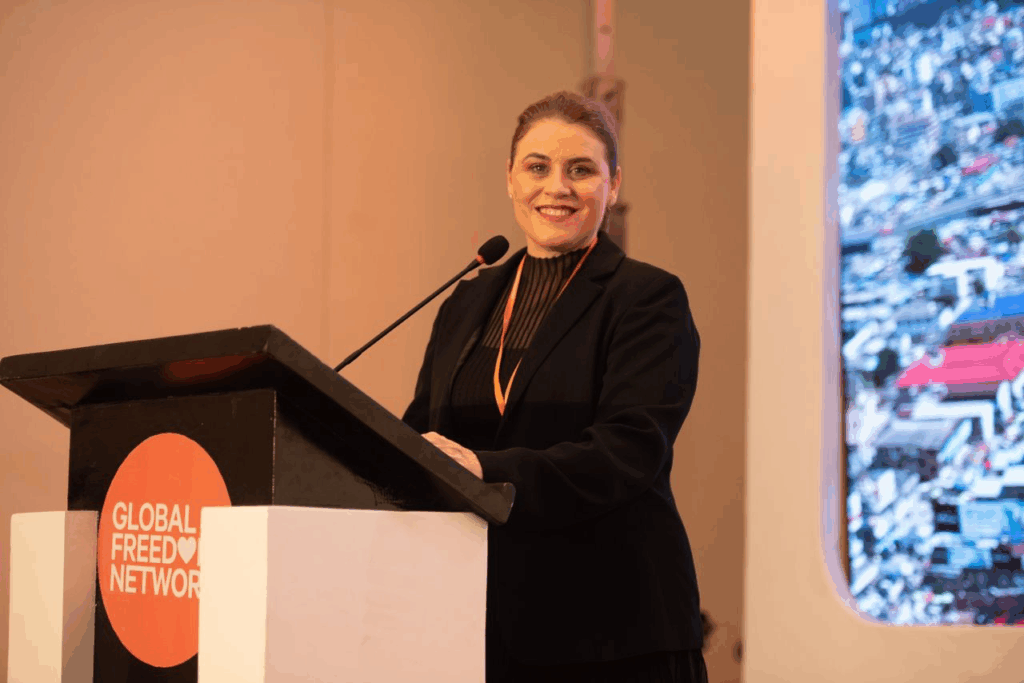
“In a world where more than 50 million people are trapped in modern slavery, including forced labour and forced marriage, faith-based leadership stands as a powerful force for justice, compassion, and systemic change,” said Franca Pellegrini, Walk Free’s Head of Global Freedom Network.
“By uniting faith communities that collectively represent nearly half the world’s population, Global Freedom Network continues to foster a powerful moral and cultural movement against modern slavery”
“Faith communities have long been at the forefront of humanitarian efforts, guided by moral teachings that uphold the dignity and freedom of every human being. Today, that leadership is more vital than ever. By mobilising congregations, advocating for policy reform, and supporting survivors, faith leaders play a pivotal role in dismantling the structures that enable exploitation.”
“The Ghana conference is a moment to celebrate the progress we’ve made together and confront the ongoing realities of modern slavery with hope and determination.”
Key themes of the conference include:
- Survivor leadership and inclusion
- Faith-based and interfaith advocacy in action
- Government policy and legislative progress
- Tackling child and forced marriage through social norm change
- The role of gender and youth in addressing modern slavery
Faith in Action conference serves as a pivotal platform for learning, collaboration, and strategic planning—aiming to educate, inspire, and mobilise participants across sectors and faith traditions.
History of the Global Freedom Network
The Global Freedom Network (GFN) was established in 2014 as a pioneering initiative to unite faith leaders across the world in the fight against modern slavery.
It began with the Joint Declaration of Religious Leaders Against Modern Slavery, signed at the Vatican by representatives of major world religions—including Christianity, Islam, Hinduism, Buddhism, and Judaism—marking a historic moment of interfaith collaboration
GFN is the faith-based arm of Walk Free, an international human rights group working to accelerate the end of all forms of modern slavery. GFN’s mission is to mobilise spiritual and moral leadership to raise awareness, influence policy, and support community-based action against exploitation
Over the years, GFN has expanded its reach through strategic partnerships, advocacy campaigns, and educational initiatives. One of its most notable tools is the Faith For Freedom app, launched in 2022, which equips faith leaders with resources to identify and address modern slavery within their communities
GFN works closely with governments, NGOs, civil society, and international organisations to coordinate efforts and amplify impact. Its approach is rooted in the belief that faith communities have a unique and powerful role to play in dismantling the systems that perpetuate slavery and human trafficking
Today, the Global Freedom Network continues to grow, fostering collaboration across denominations and cultures, and empowering leaders to act with courage and compassion in the pursuit of freedom for all.
Latest Stories
-
Crowds, deals and home solutions as Republic Bank-JoyNews Habitat Fair enters final day
3 hours -
Fire Service finds only five functional hydrants in Ministries enclave
3 hours -
Government to sign 1,200MW gas power deal before end of 2026 – Mahama
3 hours -
West Mamprusi launches community-led WASH and livelihoods project across 100 communities
3 hours -
Iran says it will wait for official US response after Trump rejects Strait of Hormuz proposal
3 hours -
90 Oti communities to benefit from government electrification project
4 hours -
Floods leave 246 without shelter as 93 houses collapse in North East Gonja
4 hours -
Labour Minister wants SOEs to help shape new public pay system
8 hours -
IPEC will ensure Equity and Sustainability in SOEs Compensation
9 hours -
White House bars CNN from travelling with Trump on Air Force One
10 hours -
Fennis wins second consecutive ITF J60 title in Accra
10 hours -
Spain beat England in thriller after Kane penalty miss
10 hours -
GPL 2026/27: Zaidan’s late goal ends Hearts of Oak unbeaten start
10 hours -
CEOs demand clarity on pay harmonisation, board autonomy as FWSC engages SOEs bosses over IPEC transition
10 hours -
2026 Women’s Super Cup: FC Savannah, Epiphany Warriors maintain top spots ahead of final group games
10 hours