

Audio By Carbonatix
The Ghana Medical Trust Fund (GMTF) is advancing efforts to improve access to specialised healthcare by engaging key stakeholders in Ghana's pharmaceutical and healthcare sectors to finalise its Medicines List, a key component of the Fund that helps patients obtain life-saving medicines without severe financial hardship.
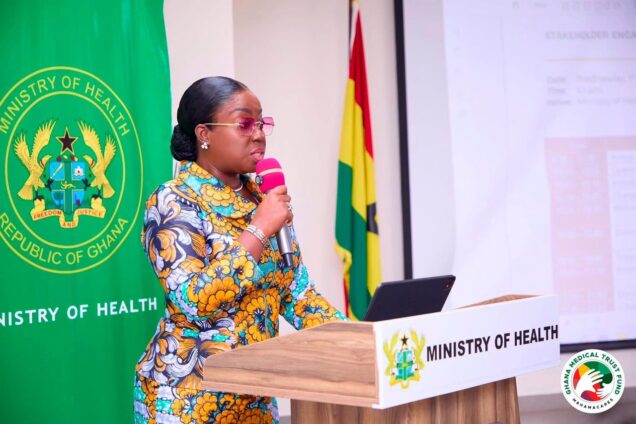
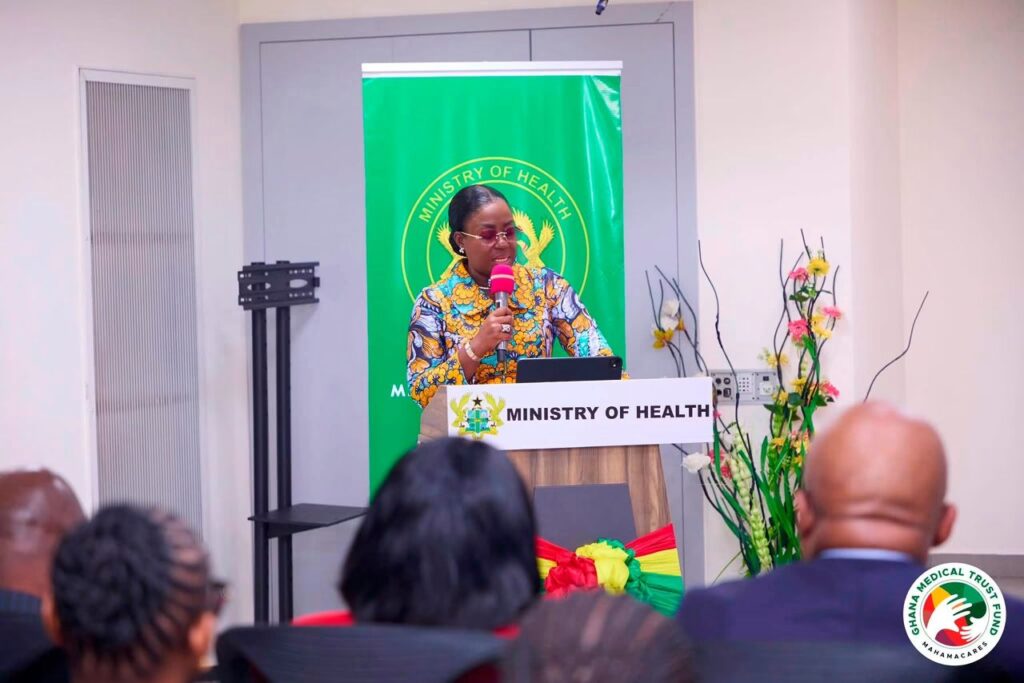
Addressing a high-level stakeholder engagement in Accra, the Administrator of the Ghana Medical Trust Fund, Adjoa Obuobia Darko-Opoku, described the Medicines List as more than simply a catalogue of approved medicines.
She said it is a carefully designed national framework that identifies medicines eligible for funding under the Trust Fund while establishing reimbursement prices and standardised treatment protocols to promote transparency, consistency and accountability.

According to her, the initiative demonstrates the Trust Fund's commitment to ensuring that no Ghanaian is denied access to essential medicines because of financial constraints.

"The Ghana Medical Trust Fund was established to respond to one of the greatest challenges confronting healthcare in Ghana; the enormous financial burden associated with chronic and high-cost non-communicable diseases," she stated.
Ms Darko-Opoku noted that many Ghanaian families are often forced to exhaust their savings, sell valuable assets or launch public fundraising appeals to finance treatment for illnesses such as cancer, kidney disease and cardiovascular conditions.
She explained that the Trust Fund seeks to change this reality by ensuring that access to specialised healthcare is determined by medical need rather than a patient's ability to pay.
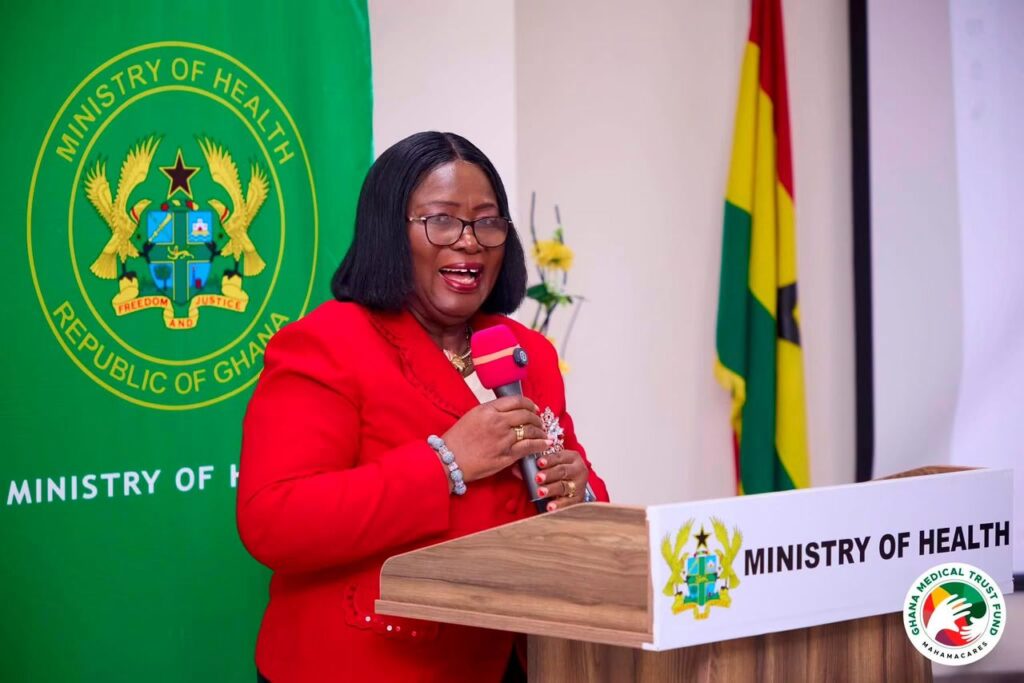
The Administrator disclosed that the Medicines List was developed from the revised national Standard Treatment Guidelines and Essential Medicines List for cancers in close collaboration with the Ministry of Health, ensuring that every medicine covered by the Fund is supported by clinical evidence and nationally accepted treatment standards.
She added that the Trust Fund and the Ministry of Health have successfully negotiated prices for selected medicines to make treatment more affordable while ensuring value for public funds.

"This Medicines List provides certainty for patients, healthcare providers, pharmacies and suppliers. It creates a common reference point that promotes fairness, transparency and confidence across the entire healthcare delivery system," she said.
Ms Darko-Opoku stressed that financing medicines alone would not be sufficient to guarantee quality healthcare delivery.
She said uninterrupted medicine availability, efficient procurement systems, predictable reimbursement processes and strong collaboration across the pharmaceutical value chain would be critical to the Fund's success.
She therefore called on pharmaceutical manufacturers, suppliers, distributors, regulators, healthcare providers and development partners to work together to ensure sustainable pricing, effective supply chain management and continuous availability of medicines.
"Our responsibility is not only to establish a Trust Fund," she emphasised. "Our responsibility is to build a financing system that is transparent, accountable, efficient and sustainable. A system that inspires confidence among patients, healthcare providers and every institution involved in its implementation."
She also announced that the Ghana Medical Trust Fund Tariff Operational Manual has received approval from the Minister for Health, providing clear procedures for service costing, claims processing, provider reimbursement and financial accountability. According to her, the operational framework lays a solid foundation for the implementation of the Trust Fund.
"The success of the Ghana Medical Trust Fund will be measured by whether a patient who needs treatment can access it at the right time, in the right place and without being overwhelmed by financial hardship," she stated.
The stakeholder engagement brought together representatives from the Ministry of Health, the Food and Drugs Authority, the National Health Insurance Authority, the Ghana Health Service, teaching hospitals, pharmaceutical manufacturers, suppliers, distributors, pharmacies, development partners and professional bodies to strengthen collaboration towards the successful implementation of the Medicines List.
Latest Stories
-
Mankranso DCE laid to rest as Muslims hold final Juma’ah prayers
30 minutes -
Ghanaian professor Kofi Akamani shot dead in US; wife arrested
40 minutes -
Sammy Gyamfi says 2018 NACOC removal from port inspections weakened drug checks
51 minutes -
Greater Accra region accounts for 77% of total secured credit in half-year 2026 – BoG
54 minutes -
Founder’s Day: We face forward, but are we moving?
1 hour -
Sheenah Naturals unveils Akuaba Collection at Beauty Inside Out Conference
1 hour -
T-bills: 91-day, 364-day yields to trade slightly higher in second half of 2026
1 hour -
Black Stars: It’s our decision to leave Kudus to recover – Queiroz
2 hours -
Sammy Gyamfi backs Mahama’s directive to restore NACOC’s at ports
2 hours -
Queiroz provides insight into Kudus’ decision to withdraw from Black Stars squad
2 hours -
I’m not changing after 47 Years – Queiroz fires back at critics
2 hours -
Nkrumah Never Dies: Celebrating the visionary who awakened a continent
3 hours -
Hassan Ayariga calls for Ghanaian ownership in strategic investment deals
3 hours -
Black Stars: Thomas-Asante receives late call-up for September-October games
4 hours -
NPP Techiman South demands immediate release of detained Nurse Salomey Awiti Baffoe
4 hours