

Audio By Carbonatix
Traditional faith-based practitioners have appealed to the government to formally include their practice in national activities.
They argue that years of exclusion from state programmes and national events have eroded the role of traditional practice in Ghana’s cultural landscape.
The appeal was made during a mass registration, licensing, and sensitisation programme for traditional, indigenous, and faith-based healing practitioners in the Ashanti Region.
The programme was organised by the Trado-Afrikan Faith Healers Association (TAFHA) in collaboration with the Ministry of Local Government, Chieftaincy, and Religious Affairs and the Traditional Medicine Practice Council.
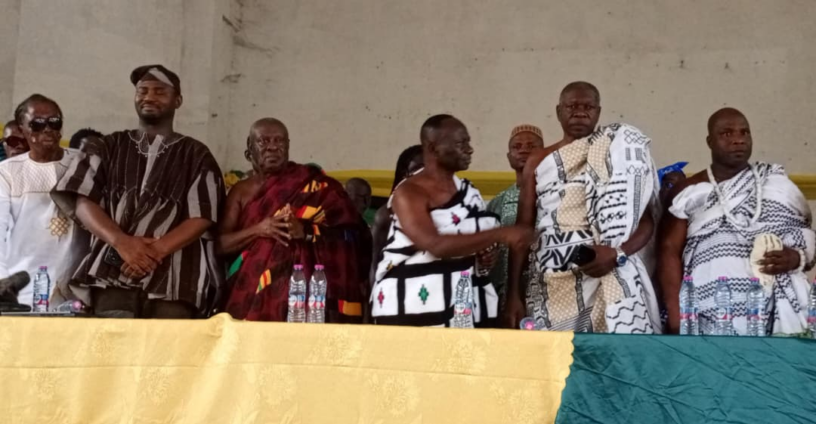
Held at the Kumasi Centre for National Culture under the theme “Building a Recognized and Regulated Traditional Healing Sector in Ghana,” the event brought together hundreds of practitioners to register, receive licences, and be sensitised on regulatory requirements and best practices.
Speaking to the media, the Acting General Secretary of the Trado-Afrikan Faith Healers Association (TAFHA), Jonathan Q. Attoh (Dzogbana), underscored the importance of recognising traditional faith in the country.
He said traditional healing and spirituality form an integral part of Ghanaian identity and must be accorded the same respect and inclusion given to other religious and health practices.
According to him, acknowledging the role of traditional faith in national life will not only preserve Ghana’s cultural heritage but also strengthen unity and promote holistic healthcare delivery.
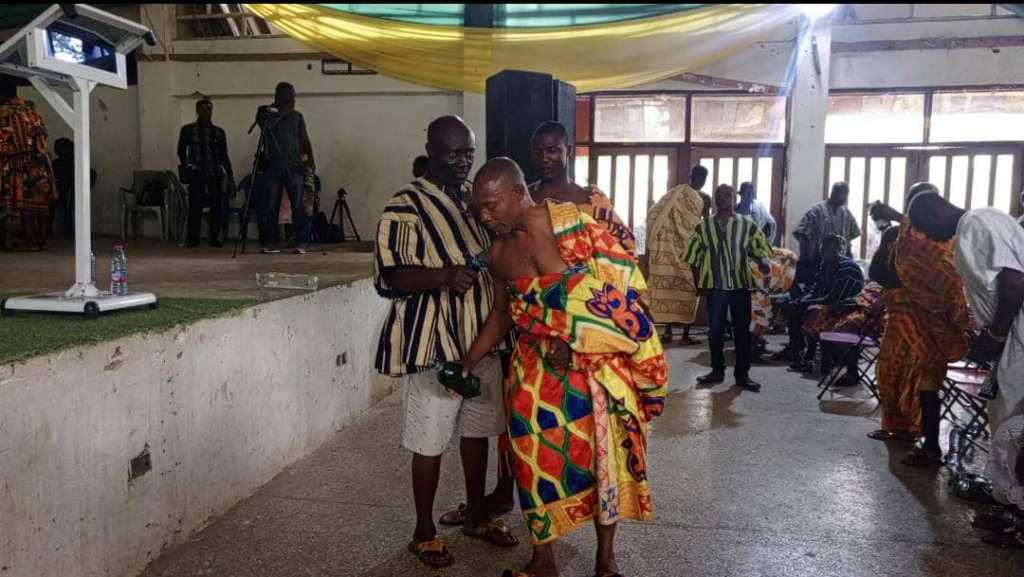
Mr. Attoh recalled that during the era of Dr. Kwame Nkrumah, traditionalists were given a prominent role in national celebrations and were allowed to pour libations during Independence Day ceremonies. He said that practice reflected the recognition and respect accorded to Ghana’s indigenous spirituality and cultural values at the time.
However, he lamented that in recent years, the country no longer grants that same opportunity to traditionalists.
“We used to honour the ancestors who fought for our independence at the 6th March ceremony. For some years now, the traditional faith has been excluded from national activities, and that approach is not sustainable. Libation is not just a ritual. It is a prayer, a way of connecting with our ancestors and asking for blessings for the nation. When we leave it out of our national events, we are leaving out a part of who we are as Ghanaians,” he stated.
Mr Attoh also expressed concern over the exclusion of traditional faith practitioners from the National Day of Thanksgiving and Prayers activities. He urged the government to grant traditionalists equal recognition and participation as accorded to Christian and Muslim faiths.
“Traditionalists must not be treated as spectators in matters of national prayer and thanksgiving. We are part of this country too, and we deserve the same opportunity to pray for the nation as is given to Christian and Muslim leaders. We are calling on the government through the Ministry of Local Government, Chieftaincy, and Religious Affairs to integrate us into national programmes," he said.
Midao Kadevi, Acting President of the Trado-Afrikan Faith Healers Association (TAFHA), said the association was established in response to the growing need for a strong, credible, and inclusive national institution.
According to him, TAFHA differs from conventional professional associations in both structure and mandate.
He explained that the association operates as a federation of practice groups, a model designed to bring together the diverse indigenous healing traditions in Ghana under one national framework.
This structure, he said will ensure that every recognized indigenous healing tradition retains the autonomy to preserve its unique customs, beliefs, leadership structures, and methods of practice while also benefiting from collective representation.
Midao Kadevi concluded that by working together under this federation, member groups advance shared objectives, including professional development, adherence to ethical standards, compliance with regulatory requirements, and the pursuit of formal national recognition for both the traditional healing sector and national activities.
Officials from the Traditional Medicine Practice Council and the Ministry of Local Government, Chieftaincy, and Religious Affairs used the platform to educate practitioners on licensing requirements, ethical standards, and collaboration with orthodox health institutions.
The registration exercise forms part of broader efforts to build a formal, regulated traditional healing sector that ensures safety, accountability, and public trust.
The Acting Vice President of TAFHA, Nana Abass, said the mass registration will help create a database of credible practitioners and weed out quacks while also positioning traditional healing as a key partner in achieving universal health coverage.
He pledged their commitment to work with government and relevant stakeholders to ensure traditional healing is given its rightful place in Ghana’s health and cultural systems.
He called on law enforcement agencies to intensify efforts to identify, arrest, and prosecute individuals posing as traditional herbalists without proper certification.
He stressed that the rise of fake practitioners undermines public trust, endangers patient safety, and tarnishes the reputation of legitimate traditional medicine in Ghana.
Nana Baffour A.K. Ababio II, Otumfuo Saramanhene, urged traditionalists to align their practices with modern standards. He emphasised the need for them to improve their professional appearance and ensure that shrine premises are well-maintained and hygienic.
According to him, such changes will enhance public perception and promote greater respect for indigenous healing traditions in contemporary society.
In attendance were representatives of the Ministry of Local Government, Chieftaincy, and Religious Affairs; the Ministry of Health; and Dr. (MH) Yakubu T. Yusuf, Registrar/CEO of the Traditional Medicine Practice Council.
Latest Stories
-
Ghana Psychological Association calls for greater involvement of people with lived experience in mental health care
1 hour -
Ablakwa says Ghana could evacuate more citizens from South Africa if the situation worsens
2 hours -
Violence against girls must be tackled through individual responsibility – Gender advocate
2 hours -
Ghana’s BRICS bid must be guided by national interest – International Affairs Analyst
2 hours -
Journalists look back on a decade of breast cancer reporting in Ghana
2 hours -
President Mahama ends Resetting Ghana tour of Ahafo Region
4 hours -
African negotiators seek delivery of climate commitments at COP31
4 hours -
BoG develops AI rules for financial sector
4 hours -
‘Big Push’: Government assures contractors of prompt payments
5 hours -
Court fines miner for breaking into gold buying shop
5 hours -
Tarkwa court jails labourer for three years over GH¢123,000 theft
6 hours -
GAEC must retain nuclear scientists for Ghana’s nuclear ambitions – Minister
6 hours -
Man reportedly mistaken for game and shot by hunter dead in forest
6 hours -
19-year-old mason jailed 15 years for defiling seven-year-old pupil
6 hours -
Ghana’s banking sector assets rise 20.47% to GH¢500.2bn – BoG Governor
6 hours