

Audio By Carbonatix
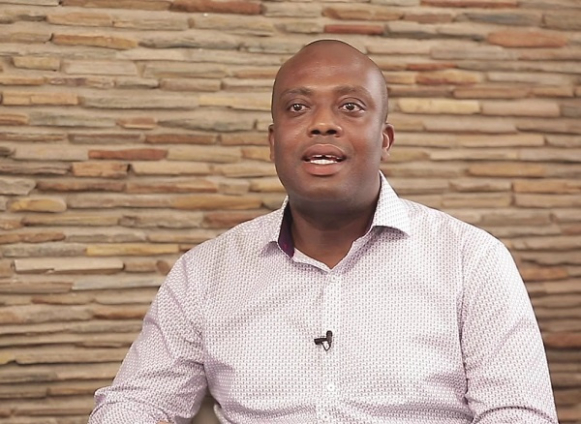
The Deputy Finance Minister, Thomas Nyarko Ampem, has credited the recent stability of the cedi to the strategic operations of the newly established Gold Board, describing the initiative as a "game changer" in the country’s economic recovery efforts.
Mr Nyarko Ampem made the remarks in direct response to former Vice President Dr. Mahamudu Bawumia, who has questioned the policy foundation behind the cedi’s performance. Speaking during an interaction with the Young Executive Forum in London as part of his UK Thank You Tour, Dr. Bawumia challenged the Mahama administration to name a single policy responsible for the cedi’s appreciation, implying that recent gains lacked any clear policy basis.
But in an interview on Joy FM's Middaynews on Monday, Mr. Nyarko Ampem dismissed Bawumia’s claims, stating that the former Vice President, known for “sloganeering,” is out of touch with the government’s silent but effective economic interventions.
Read also: ‘NDC has no policy behind cedi gains’ – Bawumia dismisses credit for currency stability
According to Mr. Nyarko Ampem, the Gold Board has restructured the country’s gold export regime by centralising and formalising the process. He revealed that Ghana’s gold exports from January to April 2024 stood at approximately $860 million. In contrast, during the same period in 2025, following the full operationalisation of the Gold Board.
"Today, with the introduction of the Gold Board and the way we have channeled all the exports through the Gold Board, we have accumulated and exported over $2.7 billion worth of gold. This has been the game changer," he indicated.
Read also: If not for Gold-for-Oil, our economy would have collapsed – Bawumia
The Deputy Minister also pointed to the revival of a derailed International Monetary Fund programme — which he implied was mishandled by the previous administration, as a key confidence booster in the economy.
He said the successful renegotiation of the programme under the current administration has restored investor trust and helped reduce fiscal pressure.
“Since we took over, we’ve also significantly reduced borrowing. As a result, treasury bill rates have been on a steady decline since February this year. These are signals of a recovering economy, not empty promises,” he stated.
Latest Stories
-
One digital financial breach could expose linked accounts to fraud – Financial Crimes Manager
13 seconds -
Ghana Russia Centre signs ICT cooperation agreement with Moscow University
4 minutes -
The powerhouses of the village: Honouring Ghana’s rural women on International Rural Women’s Day
5 minutes -
Vincent Assafuah petitions CHRAJ to investigate alleged irregularities in 2026 World Cup visa arrangements
5 minutes -
12-year-old boy found dead in muddy pit at Opeikuma
7 minutes -
GHS begins Yellow Fever vaccination campaign in three Upper West districts
8 minutes -
Organised Labour pushes for higher 2027 base pay despite slowing inflation
10 minutes -
Parliament’s Human Rights Committee demands swift justice in Obuasi SHTS sexual abuse case
20 minutes -
From Campaign Propaganda to Gov’t Accountability: When the message-makers demand a seat at the table
39 minutes -
Ashanti Region Security Coordinator warns sand winners to stay off Accra–Kumasi Expressway site
43 minutes -
PZ Cussons Ghana promotes hand washing among schoolchildren through Camel campaign
1 hour -
30 NDC aspirants file nominations in Upper West as regional election approaches
1 hour -
UPSA launches laptop assembly plant, requiring new students to assemble their own devices
1 hour -
UCC sociologist calls for action on gender inequality to end child marriage
1 hour -
LSN questions Ghana’s proposed five-year presidential term and DCE election reforms
1 hour