

Audio By Carbonatix
Ghana is deepening its humanitarian response to the growing influx of Burkinabe asylum seekers, with the government unveiling a new agricultural integration initiative aimed at supporting livelihoods while easing pressure on host communities.
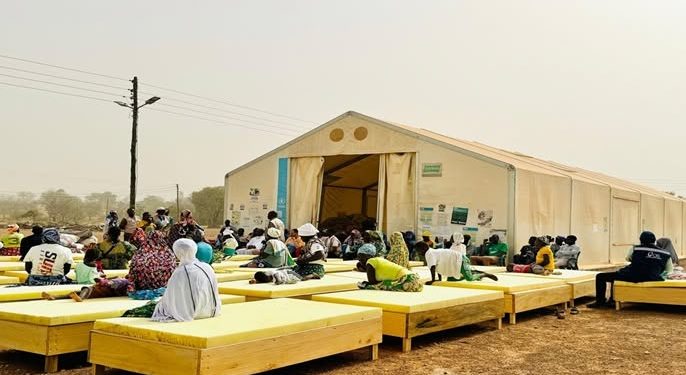
According to World Vision Ghana, more than 10,000 asylum seekers from Burkina Faso had sought refuge in Ghana as of May 2025, fleeing armed conflict, extremist violence and climate-induced shocks.
The displaced persons are currently being hosted in several communities across northern Ghana, including Tarikom, Zini, Fielmo, Bansi and Issakatinga.
In response, the Minister for the Interior, Muntaka Mubarak, has disclosed that the government has allocated parcels of land for the refugees to engage in farming as part of efforts to promote self-reliance and sustainable livelihoods.
He explained that the initiative, named the Ghana Refugee Agriculture Project Support Programme, is designed to integrate refugees into productive economic activity while reducing potential competition for land with host farming communities, which could otherwise trigger tensions.
"With the Ghana Refugee Board, we are doing what we call the Ghana Refugee Agriculture Project Support Programme. So instead of them coming to compete with our communities for land for grazing or cultivation, we have got the Ghana Refugee Board to acquire land, and now we have done about 10,000 hectares," he said on JoyFM's Super Morning Show on Tuesday, June 23.
The Minister noted that the programme is structured to promote harmony and shared prosperity, ensuring that both refugees and local farmers can coexist without resource-based misunderstandings.
He further indicated that preliminary engagements suggest strong interest from the refugee population in participating in the agricultural scheme, describing their willingness as a positive signal for the programme’s success.
"The interesting thing about the Burkinabe is that they are interested in tilling the land, and so we are supporting them to be able to get the land, and get them input so that they will cultivate so that they will be able to feed themselves," he added.
Latest Stories
-
Baffour Awuah: EOCO effected an arrest, detained MP after hours of waiting, questioning – Afenyo-Markin
7 minutes -
EOCO court warrant authorised search of Baffour Awuah’s law firm, not residence – Afenyo-Markin
23 minutes -
NPP delegates conference: 3,000 to 4,000 police personnel deployed for security in Kumasi – Anthony Karbo
24 minutes -
KGL Foundation commits $200,000 to support juvenile football for the next two years
40 minutes -
UNDP invites Mahama Ayariga to Northern Peace Conference in Tamale
45 minutes -
Afoko can give NPP ‘new identity’ ahead of 2028 to overcome NDC – Political scientist, Dr Amakye-Boateng
60 minutes -
2 injured amid gunshots during raid at Nawara Mining office at Nsuapemso
1 hour -
St Augustine’s College retains 2026 National Investment Quiz title
1 hour -
KNUST Nursing and Midwifery School staff recognised at 2026 Health Ministry Excellence Awards
1 hour -
JoyNews’ Esther Esi Nkrumah selected for UK Media Excellence for Emerging Technology Fellowship
1 hour -
Five NDC youth organisers in Western Region pay courtesy call on Armah-Kofi Buah
2 hours -
NACOC demands tighter port controls to prevent Tema Harbour drug trafficking
2 hours -
Ghana’s startup ecosystem must build sustainability into innovation – Ghana Hubs Network
2 hours -
Friday’s beachfront demolition was carried out at Labadi Beach Hotel’s request, not for flood mitigation – Stan Dogbe
2 hours -
LA 2028: Mukarama returns to Black Queens squad for Olympic Games qualifiers
2 hours