

Audio By Carbonatix
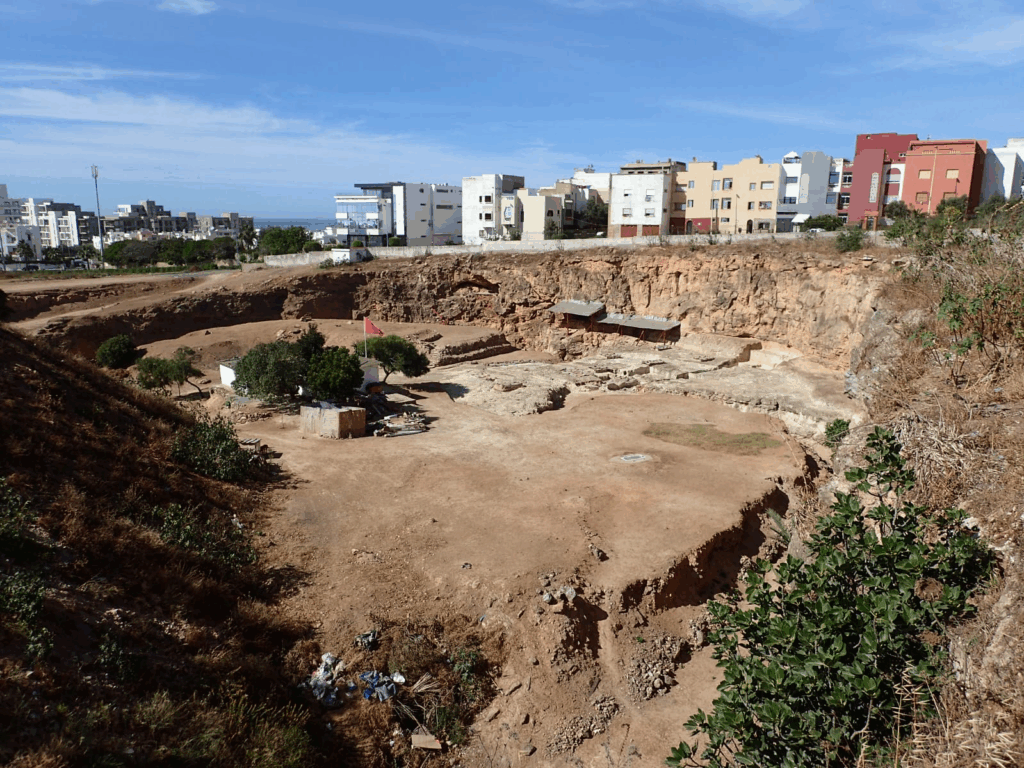
Human fossils uncovered in a cave at the Thomas I quarry near Casablanca are offering fresh insight into a critical phase of human evolution dating back about 773,000 years.
The discovery helps fill a major gap in Africa’s fossil record and reinforces the importance of North Africa in early human history.
The find was announced by Morocco’s Ministry of Youth, Culture and Communication following the publication of a study in the journal Nature on January 7, 2026.
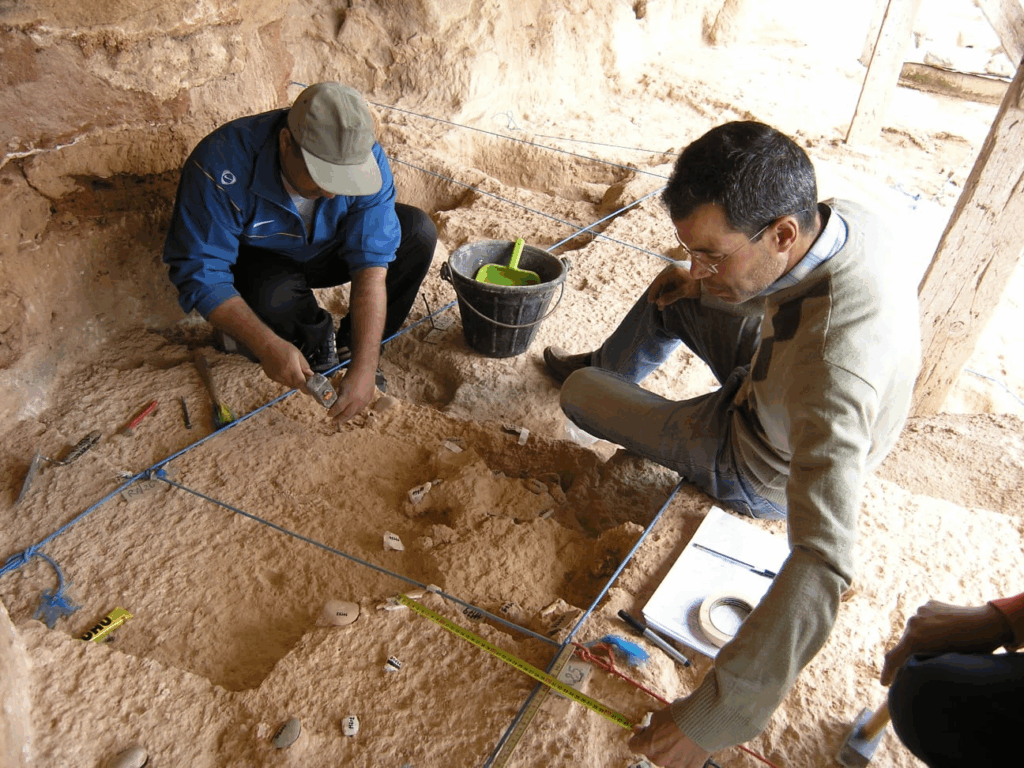
The research forms part of the long-running Prehistory of Casablanca programme, a Moroccan–French scientific collaboration involving Morocco’s Institut National des Sciences de l’Archéologie et du Patrimoine (INSAP) and France’s Ministère de l’Europe et des Affaires étrangères, through the French archaeological mission “Casablanca”.
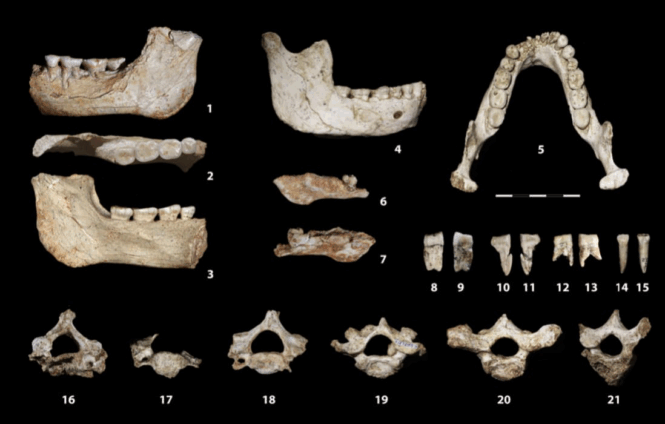
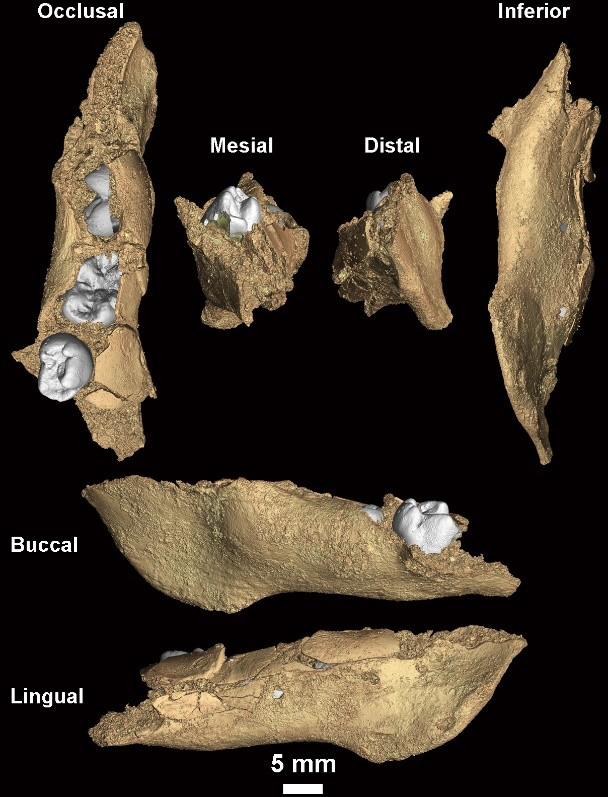
The fossils include several human mandibles from two adults and one child, as well as dental and post-cranial remains.
Analysis shows a distinctive blend of archaic features, similar to those seen in Homo erectus, alongside more derived traits linked to later human forms.
A major strength of the study is the precision of its dating. Using high-resolution magnetostratigraphic analysis, researchers identified evidence of the Matuyama–Brunhes geomagnetic reversal within the site’s sediments.
This event is dated to 773,000 years ago and provides one of the most reliable age estimates ever established for a human fossil site in Africa.
The fossils document human populations that are still poorly understood during this crucial period between early members of the genus Homo and more recent evolutionary lineages.
The timeframe aligns with palaeogenetic evidence suggesting a split between the African lineage leading to Homo sapiens and Eurasian lineages that later produced Neanderthals and Denisovans.
The mix of primitive and more modern traits in the Casablanca fossils points to populations closely linked to this major evolutionary divergence.
Researchers say this makes the site a vital reference for understanding the emergence of modern humans.
Beyond their scientific value, the discoveries underline the deep African roots of humanity and highlight the long-underestimated role of North Africa in human evolution.
The “Hominid Cave” at the Thomas I quarry is now regarded as a key site for studying early human populations on the continent.
Latest Stories
-
Hurricane Polo makes landfall on Mexico’s Pacific coast
1 minute -
US ban on Canadian alcohol and dairy comes into effect as trade war drags on
3 minutes -
GES orders SHS heads to refund unauthorised fees collected from parents
11 minutes -
AFCON 2027Q: ‘We don’t need to cry over spilled milk’ – Damba on Ghana injury concerns
14 minutes -
NDC communicator blames documentation, payroll validation for teachers’ promotion arrears delay
16 minutes -
2026 JoyNews Impact Maker Award winner brings clean water to Yoko Tsume after years of cattle dugout dependence
23 minutes -
Sarkodie commends Mahama for rejecting US health compact
23 minutes -
‘The worst hate speech comes from NDC; enough of lip service, optics politics’ – Afenyo-Markin to Mahama
23 minutes -
Tree Crops Development Authority tightens regulation of tree crop trade, targets $10bn sector
24 minutes -
Ghana’s fiscal deficit to widen to 3.9% a year through 2029 – S&P
24 minutes -
‘It’s not a matter of evidence; it was a metaphor’ – Afenyo-Markin defends ‘drug lab’ comment
36 minutes -
Borrowing costs cut by more than half – Finance Minister
40 minutes -
KNUST students urged to look beyond Ghana for AI and robotics opportunities
43 minutes -
Odeibea Foundation extends energy equity initiative with solar streetlights in Akpato and Worwonyo
44 minutes -
Customs increases surveillance at ports, warns importers against concealing restricted items
46 minutes