

Audio By Carbonatix
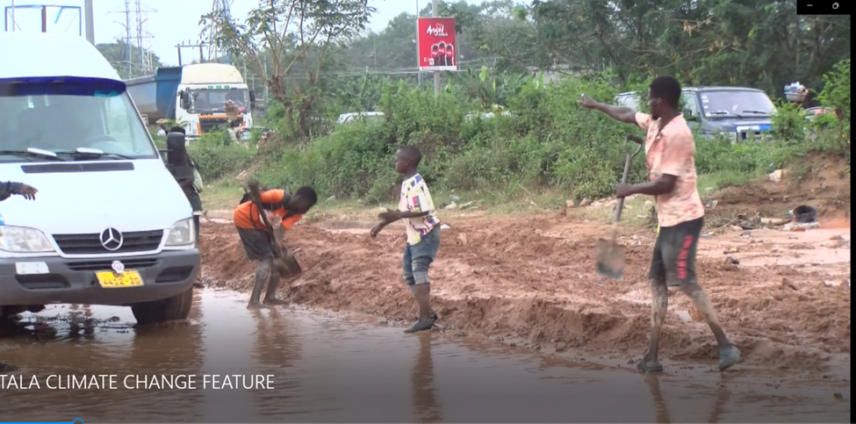
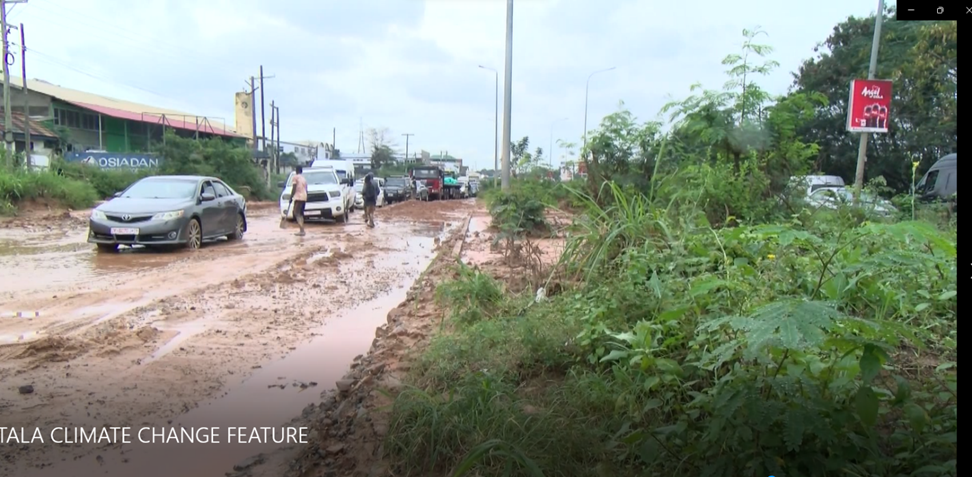
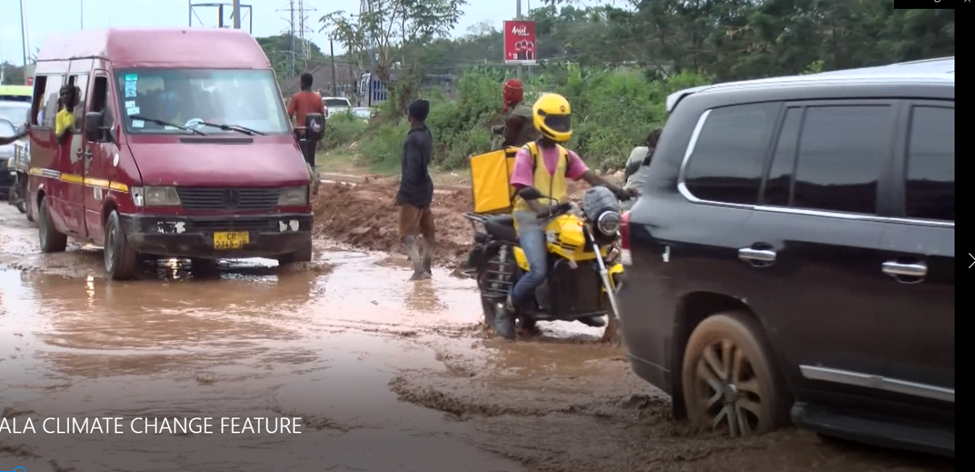
Commercial drivers who ply the Kasoa toll booth stretch say increasingly intense and unpredictable rainfall is turning the road into a dangerous corridor during the rainy season, with floodwaters submerging sections of the road and damaging vehicles.
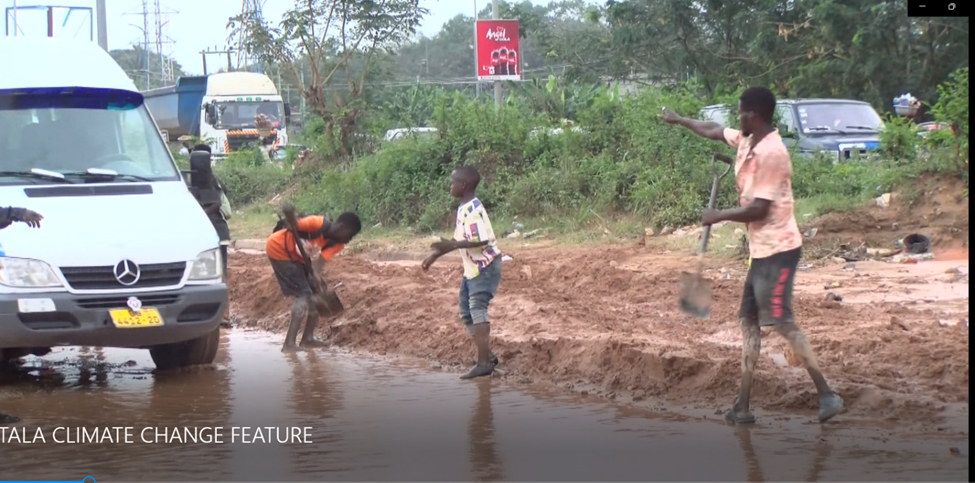
Drivers say each heavy downpour now brings anxiety, as rising floodwaters conceal deep potholes and weaken already deteriorating portions of the road. What was once considered a seasonal inconvenience has become a recurring threat to livelihoods.
For Kingsley Yeboah, a commercial driver with 23 years of experience, the risks became painfully real last year near Atala Junction at the Old Barrier.
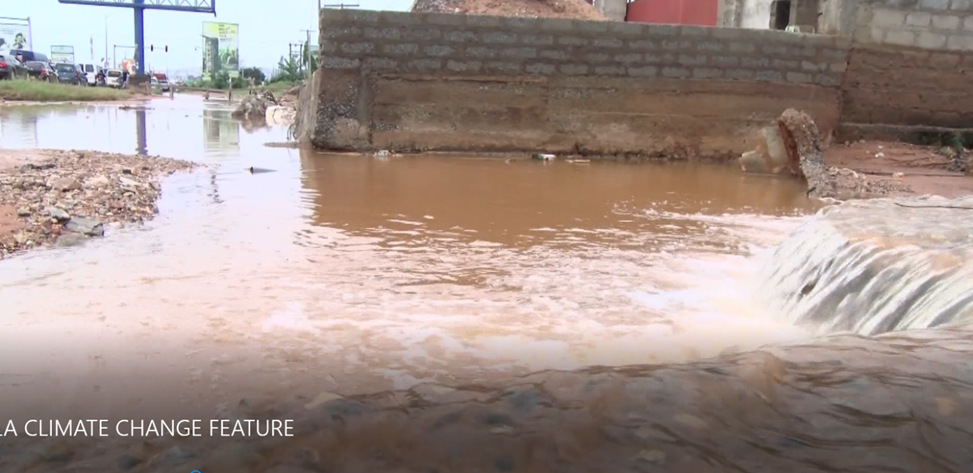
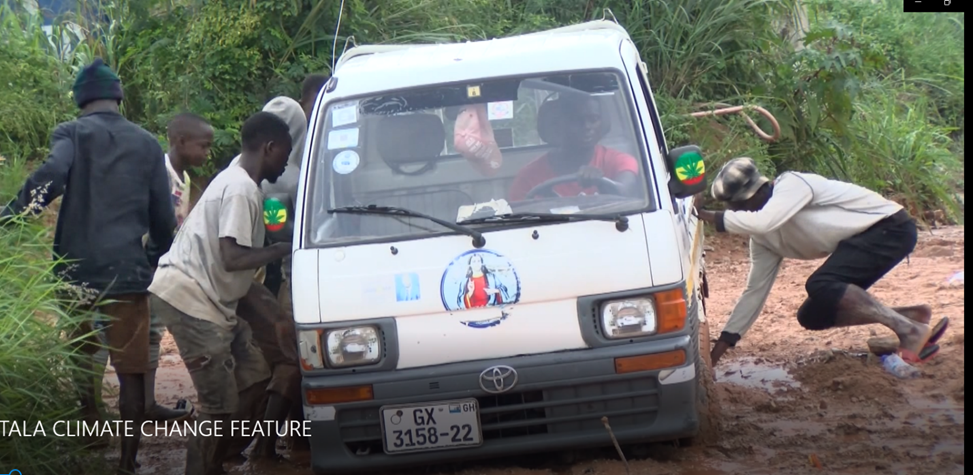
As floodwaters gathered across the road, he attempted to cross before the current intensified. His vehicle stalled midway through the submerged stretch, destroying the engine and leaving him without income for weeks.
“I thought I could make it before the water rose higher, but the car stopped in the middle. The engine was damaged, and I couldn’t work for weeks,” he recounted.
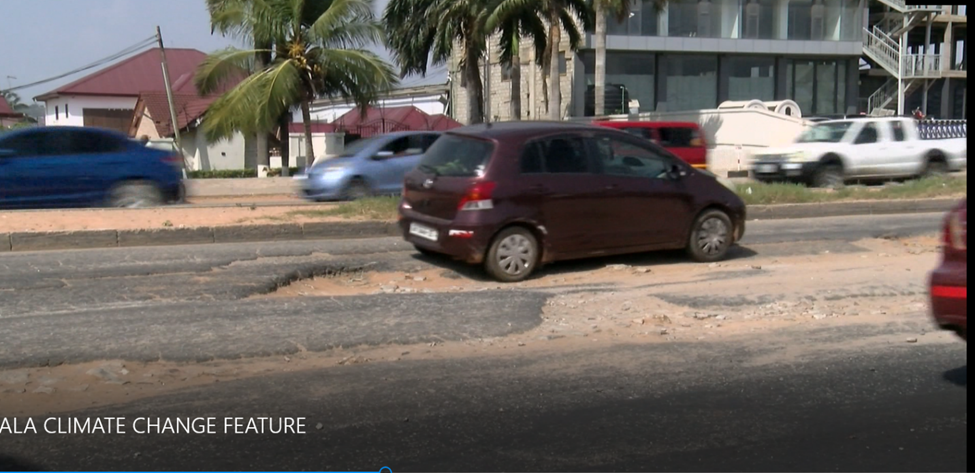
Climate experts say such incidents are becoming more common in coastal Ghana as rainfall events grow heavier and more intense, overwhelming drainage systems and road infrastructure that were originally designed for lower volumes of water.
Drivers along the Kasoa–Toll Booth Road say the greatest danger often lies beneath the floodwaters. Hidden potholes weaken vehicles’ suspensions, cause sudden breakdowns and, in some cases, lead to crashes.
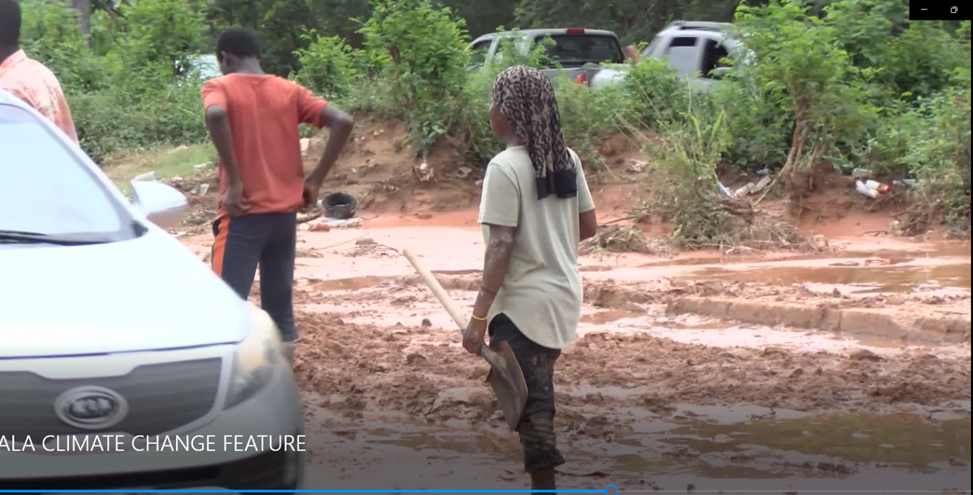
“When the rain falls, you can’t see the potholes under the water. The car just drops into them suddenly and it can damage your suspension or even cause an accident,” one driver said.
“Sometimes you have no choice but to drive through the water because passengers are waiting, but you risk spoiling your engine,” another driver added.
According to the Ghana Hydrological Authority, rapid and unregulated urban development is compounding the impact of climate change. The paving of open spaces and compounds without adequate green areas reduces natural water absorption, increasing runoff during heavy rains and worsening flooding.
“Rapid and unregulated urban development is significantly worsening flood risks in our cities. When open spaces are paved and natural drainage paths are blocked, rainwater has nowhere to go, leading to increased surface runoff and more severe flooding during heavy rains.”
For commuters, the flooding brings daily disruption. Vehicles slow to a crawl or stall entirely, forcing passengers to disembark into muddy water while journeys that typically take minutes stretch into hours.
At the Old Barrier, Hagar, a mobile money vendor, says she lost her working capital when floodwaters swept away her Momo box during a heavy downpour.
“The water came suddenly and carried everything away including my box. I had to stop working for weeks before I could start again,” she said.
The National Disaster Management Organisation warns that extreme rainfall events are becoming more frequent and intense, placing growing pressure on drainage systems-built decades ago for less severe weather conditions.
“Extreme rainfall events are becoming more frequent and intense, and this is putting enormous pressure on drainage systems that were constructed decades ago for much less severe weather conditions.”
Officials caution that without climate-resilient infrastructure upgrades, flooding along major corridors such as the Kasoa–Toll Booth Road is likely to worsen in the coming years.
The Ghana Hydrological Authority is also advocating the adoption of a national rainwater harvesting policy, arguing that capturing and storing rainwater could reduce pressure on drainage systems while improving sustainable water management.
“The adoption of a national rainwater harvesting policy will help capture and store excess rainwater, reduce pressure on drainage systems, and promote more sustainable water management across the country.”
As climate extremes intensify, the Kasoa–Toll Booth Road reflects a broader national challenge, where infrastructure designed for past weather patterns is struggling to cope with present conditions.
Without long-term climate adaptation measures, drivers and residents say each rainy season will continue to bring economic losses, worsening road conditions and increasing risks to lives.
Latest Stories
-
Let The Constitution direct Chieftaincy to deliver “All Development Is Local”
32 minutes -
Ghana explores centre of excellence for hearing, communication and cochlear implant care
2 hours -
Schizophrenia-related disorders lead mental health cases recorded in Ghana
2 hours -
Dutch authorities enlist Ghana in hunt for fugitive drug lord Bolle Jos
3 hours -
Ghana housing finance conference adopts communiqué to improve affordable housing access
7 hours -
Special Initiatives Minister urges Wa Technical Institute to enrol more girls as EU-backed solar training lab opens
8 hours -
In the matter of my first year at the Bar
8 hours -
ActionAid Ghana calls for an end to child marriage, greater investment in girls’ rights
8 hours -
Newsfile to tackle World Cup visa scandal, beach demolitions, education strikes, BRICS bid
8 hours -
UK-Ghana Trade & Investment Summit: Trade Resource Centre to help businesses maximise UK-Ghana trade opportunities
8 hours -
Embassy of Denmark celebrates World Maritime Day
9 hours -
Linking LEAP to productive inclusion could cut extreme poverty by 2030 – UNICEF
10 hours -
Trade Ministry backs use of creative arts to rehabilitate prison inmates
10 hours -
Negotiations with government to continue despite strike suspension – GNAT
10 hours -
‘Ghana cannot afford to waste public resources; every cedi has a job’ – Ato Forson
10 hours